

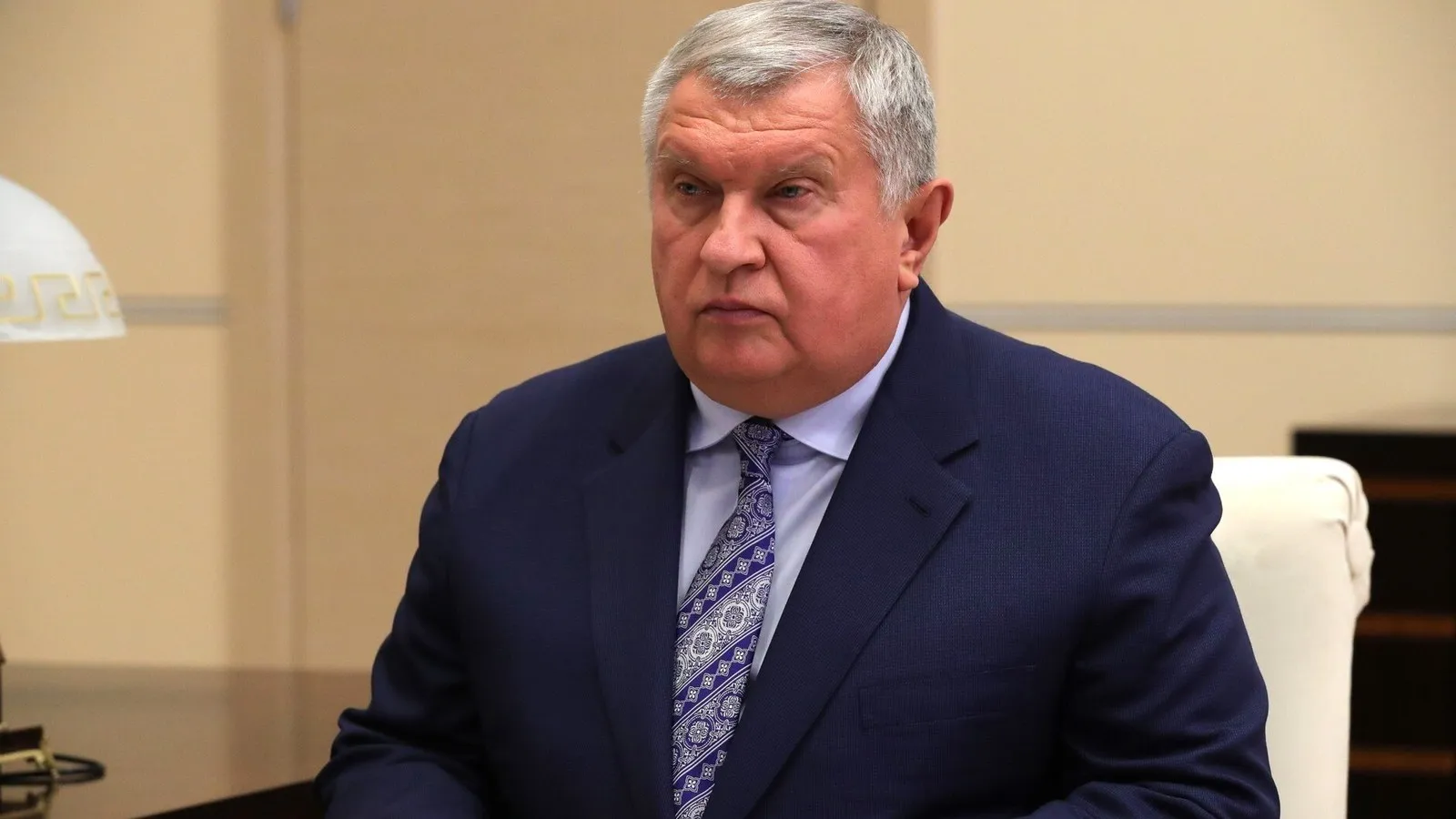
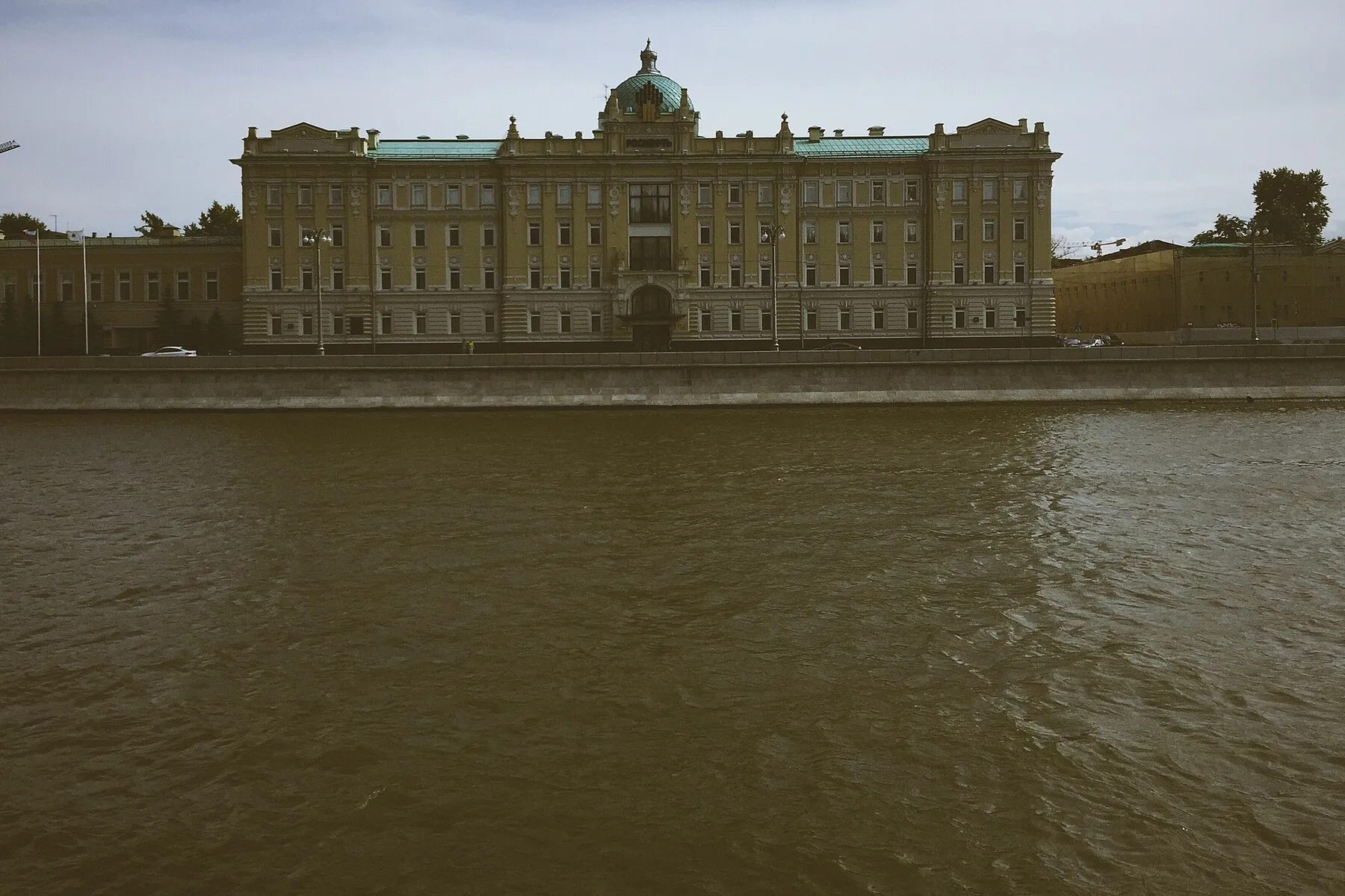
Late in the evening of November 14, 2016, the minister for economic development, Alexei Ulyukaev, drove to the Rosneft office on Sofiyskaya Embankment. He had been invited personally by Igor Sechin — who personally handed him a gift basket. Inside, as the court would later establish, lay homemade sausage and the key to a deposit box holding two million dollars. At the exit the minister was met by the FSB. The operational side had been prepared by General Oleg Feoktistov, commander of the “Sechin spetsnaz” in the bowels of the service, who by then had already moved from the FSB to Rosneft’s security department. The circle closed with artistic neatness: the corporation itself issued the invitation, itself made the recording, and itself made the arrest — with the hands of the state.
Sechin, the prosecution’s chief witness, failed to appear at the trial on any of four summonses. Ulyukaev received eight years. Moscow joked grimly: for the first time since Stalin’s day, a sitting minister had been jailed on the complaint of a commercial entity.
The episode is worth keeping before one’s eyes — it contains the entire method in miniature. The point is not that Sechin is stronger than everyone. He was simply the first to grasp a simple thing: in this system the winner is not the one who is right, but the one who controls the information flowing upward and knows how to dress a private interest as the interest of the state.
In 2004, when the assets of Yukos went under the hammer, it mattered to the state to regain control of a strategic industry. Putin, absorbed in the Second Chechen War and in relations with the West, entrusted the new national company to people he trusted — and, being a newcomer in Moscow, he trusted the St Petersburg cadres, sometimes at the expense of professionalism. Appointing a familiar face, a purely Russian practice, you will say? Not only Russian, by any means.
Warren Harding and the “Ohio Gang” (1921): poker friends and Ohio cronies were placed in key posts; his pal Albert Fall was made secretary of the interior.
John F. Kennedy (1961): he appointed his own brother Robert, his campaign manager, attorney general of the United States.
George W. Bush (2001): he put his friend Michael Brown at the head of FEMA; before that, Brown had judged horse shows and had no experience of emergencies.
In 2016 the plot repeated itself note for note — in days when Putin was absorbed in other things: Minsk, Syria, the West at breaking point. The government was preparing the privatization of Bashneft, and the position conveyed to the president was clear: state companies had no place in it — otherwise what kind of privatization would it be? Ulyukaev objected too. A few months later Bashneft was bought by Rosneft, the objector went to a penal colony, and the country was told it was better for the budget this way. Reuters and Bloomberg, from government sources, reconstructed the mechanics: at the right moment, the right set of arguments was delivered upward — about price, timing, the absence of alternatives. Formally, Sechin did not deceive Putin. For years he worked to ensure that his own interest reached the top dressed as the state’s — and until the war drove those two interests apart, he succeeded. That is the whole art: not to lie to the president, but to set the lighting so that what profits the corporation looks like what profits the country. The difference between a lie and such lighting is academic — until the day the interests diverge and the lighting can no longer reconcile them.
The same filter worked in personnel. For years the media described how men of the Sixth Service of the FSB’s Internal Security Directorate — that same “Sechin spetsnaz” — dispersed into key posts, and generals’ careers grew on cases begun from Sofiyskaya Embankment. A special service conceived as the eyes of the state became, in places, the hands of a corporation. This is Sechin’s most underrated achievement — and the costliest for the country.
Engineers know well a phenomenon with an almost dramatic name — metal fatigue. A beam bears its load for years, no crack is visible even under a magnifying glass — and then comes one ordinary cycle, and the structure folds. The failure ripens invisibly and arrives all at once.
Sechin’s empire today is under fatigue load, and the war has not relieved it — it has made it permanent. At first it seemed otherwise: February 2022 solved a mass of awkward problems. The Western shareholders and auditors left — BP’s 19.75 percent stake hung frozen, and there was no one left to ask about dividends. The accounts closed, and with them the questions about spending and lost billions, from the Venezuelan adventures to the ever-costlier megaprojects. The war made Sechin psychologically irreplaceable: when oil is the budget’s last artery, the man with his hand on that artery fears no personnel conversations. The sanctions economy is for him not a siege but a business model: a shadow fleet, discounts, intermediaries. In the dark, the middleman’s margin cannot be seen. In the dark, a great deal cannot be seen.
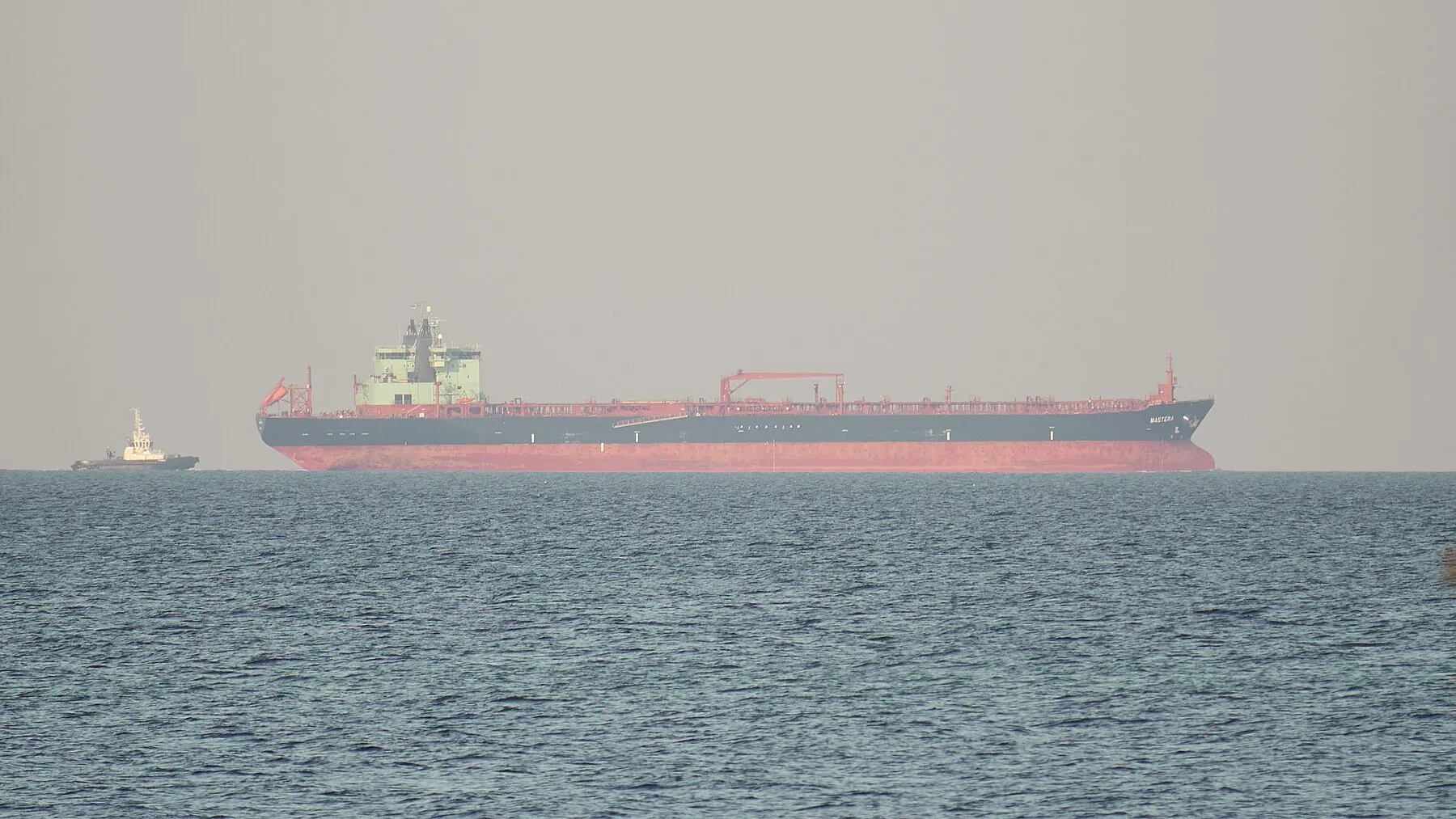
But the model has a price, and its name is China. Sechin began the eastern turn before the war: the 2013 contract with CNPC, for a quarter of a century against tens of billions in prepayment, already meant that future oil had been sold, the money spent, the room for maneuver narrowed. After 2022 the dependence became structural: one buyer, his discounts, his yuan, his terms. The company that once bargained with Exxon and BP as an equal now takes the price offered — there is no other window. The Indian showcase is no better: the Vadinar refinery, bought in 2017 for 12.9 billion dollars — today’s Nayara — brings in revenue in nonconvertible rupees, and in the summer of 2025 fell under European sanctions as well. The exit to the markets of the future turned into a safe built into someone else’s wall: the money is visible, but it cannot be taken.
And here metal fatigue turns from an industrial metaphor into a political one. Because the load is being borne not only by Rosneft — it is being borne by the entire system.
The wind is changing direction, and the signs are multiplying. If — when — Moscow sits down in earnest to negotiate with the West, the conversation will be about oil: sanctions, price caps, insurance, tankers. And an awkward asymmetry will come to light: for Russia, sanctions relief is a win; for Sechin, a threat. Light, returning to the industry, devalues everything acquired in the dark: the intermediaries, the schemes, the irreplaceability. Transparency is more dangerous to his empire than any sanctions. A man whose model is the besieged fortress will not become the agent of the fortress’s relief; he will be its quiet saboteur — not out of ideology, but out of accounting.
While the lighting reconciled the two interests, there was nothing to choose between — which is why the empire of the comrade-in-arms seemed to be the country’s industry itself. But a conversation with the West will, for the first time, pull them in opposite directions, and no filter will be able to reconcile them again. That is when the choice will become unavoidable — and a leader who sets the interest of the state above all else chooses, at such a fork, the country. In September Sechin turns sixty-six. His metal has borne loads that would have broken anyone. But fatigue does not ask how many cycles you endured yesterday. It simply accumulates — toward one ordinary day, no different from the rest.