
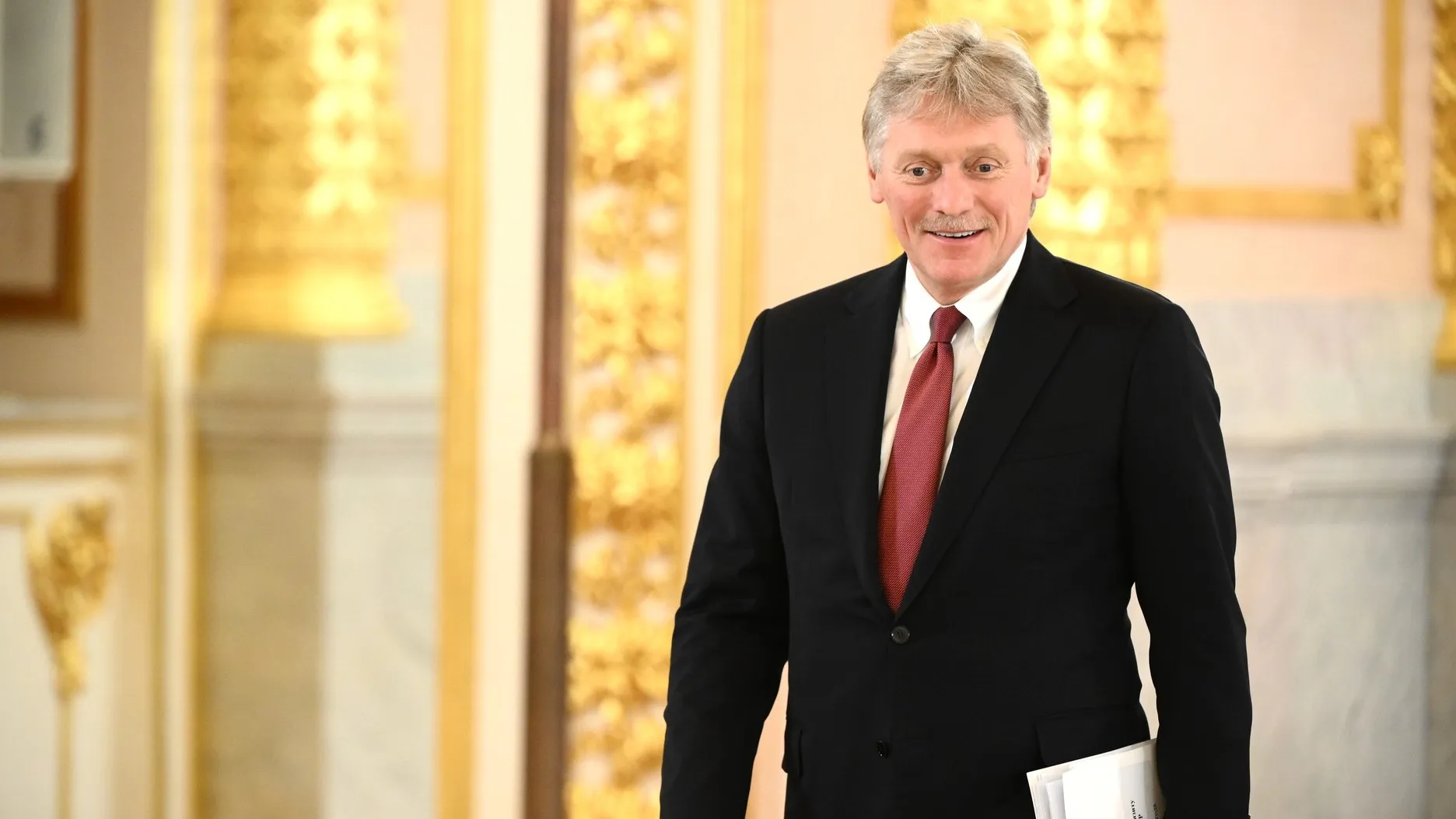
It is hard to say anything new about Dmitry Peskov, and the fault is first of all his own. On Tuesday the Lithuanian Seimas backed an amendment striking the ban on nuclear weapons from the country’s constitution. That same day Peskov was asked what he thought of it. And he replied that such a step “will not contribute to the stability and predictability of the situation on the European continent,” and that Russia “will be forced to take all necessary measures to reliably ensure its own security.”
Three and a half years ago, almost the same words saw Finland off into NATO. Finland has since managed to join the alliance and lift its own nuclear ban, while the phrase has survived to this autumn untouched, like a jacket taken out year after year for the same funerals.
This autumn, meanwhile, Moscow began to speak differently. On 5 September the American envoys Steve Witkoff and Jared Kushner arrived at the Kremlin, and Kirill Dmitriev met them at the airport with a shot captioned “Welcome to Moscow, peacemakers.” On 29 September he was himself in Washington, and the American side called the conversation on a peace settlement and future energy projects constructive. The negotiators are finding new words. Peskov pronounces them too, when required. But let him follow his own thoughts for so much as a minute and the reflex kicks in: the old record starts playing again. On 23 September he called the Europeans’ policy “absolutely short-sighted”; on 6 October he promised Lithuania that Russia would take “all necessary measures.” That the spokesman does not always say what they think at the top was acknowledged by Putin himself. In 2018 the president told NBC that Peskov “sometimes spouts such drivel” that he watches television and wonders what on earth the man is talking about.
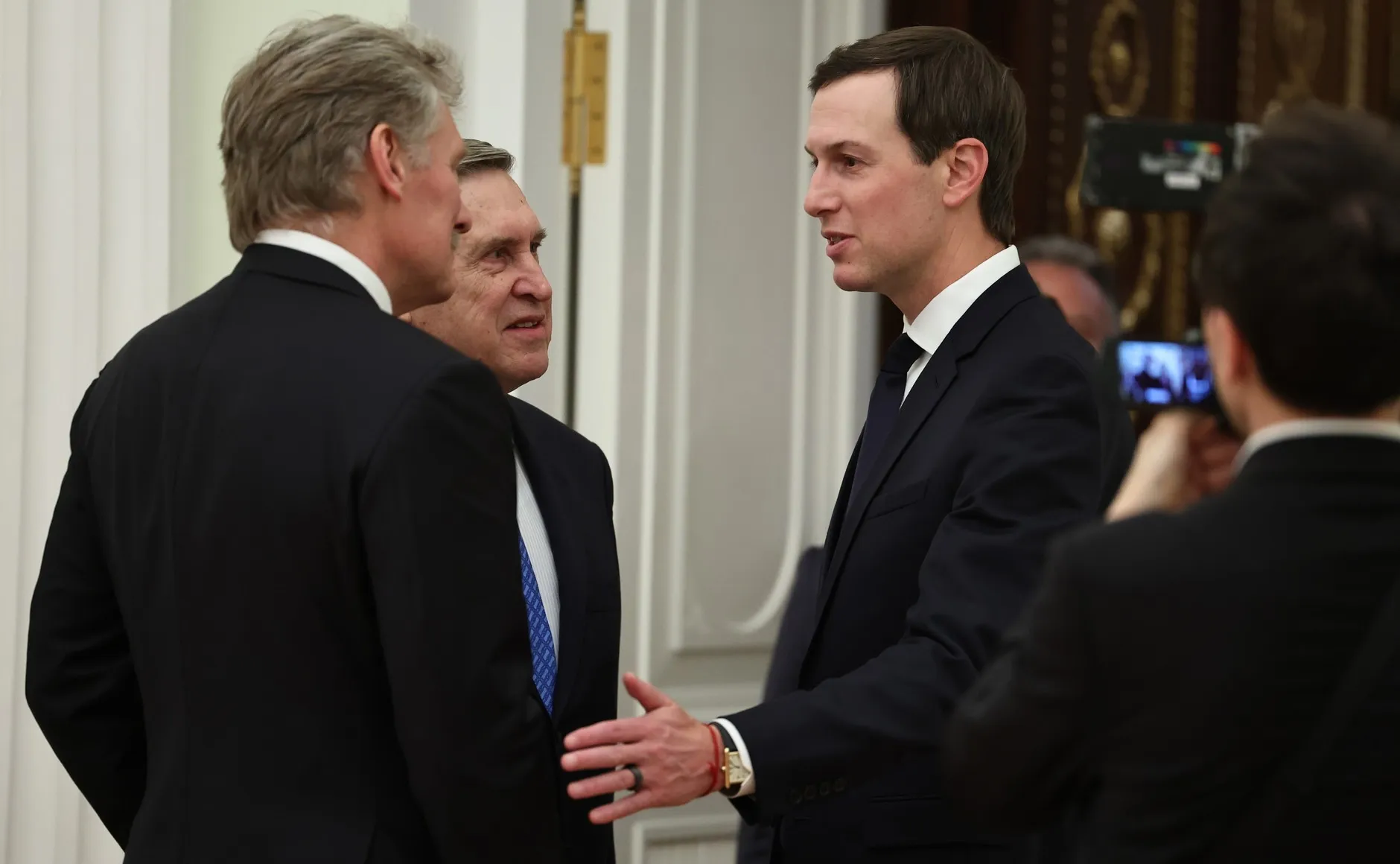
“Common values” and “some kind of gene”
There was a time when Peskov’s voice sounded different. In 2007 a Time correspondent found him in an enormous armchair, with a Marlboro cigarette and a fair bristling moustache. Peskov spoke English, Turkish and Arabic, and explained to the American that some people still had not grasped that the Soviet Union was over. That same year he assured Western journalists that Russia shared common European values. He was selling Europe a country that wanted to be Europe, and selling it well, with the broad smile for which American television compared him to the White House press secretary.
In the spring of 2022 the same man discovered in Europeans “some kind of gene that keeps them from freeing themselves of this husk.” Fifteen years passed between those two remarks, and over those years his speech has been all but emptied of words chosen for their meaning. What remain are ready-made phrases nailed together like the sections of a prefabricated chicken coop: “encroachment,” “escalation,” “not on the agenda,” “we will be forced to take measures.” Whoever speaks in such memorised clichés every day sooner or later turns into a mindless mechanism himself, and the listener is no longer sure who is there: a living person, or an answering machine nobody remembered to switch off back in 2008.
The repertoire
The machine holds few recordings, and nearly every one is addressed to the neighbours. In May 2022, asked whether Finland’s accession to NATO threatened Russia, Peskov answered “unquestionably.” In June, when Lithuania restricted the transit of goods to Kaliningrad, he called it “a violation of everything and anything.” On 8 September the American envoys had been gone from the Kremlin for three days, and advisers from Britain, Germany and France had joined their delegation. That same day Peskov announced that Europe, unlike the United States, was doing everything to keep the conflict from ending. The Americans are looking for people to seat at the table, and the Kremlin’s spokesman is explaining in advance to half the guests that they have no place there.
At a certain old court there was a servant who for ten years followed the monarch’s beloved lapdog. The dog would urinate on the dignitaries’ shoes in the middle of ceremonies; the servant would wipe their footwear with a satin napkin, and the ceremony would proceed. Peskov resembles that servant, only the court has long since changed its ways. The dog is gone, the guests have come to negotiate, and he still moves among them, rubbing clean shoes with a long-soaked rag.
Spent material
The Lithuanians explain their decision without any clichés. The deputy Remigijus Motuzas says the country cannot be defended worse than other NATO members, and that its neighbours shed such bans long ago. Understanding this from Moscow is not hard, if only for a minute you put yourself in the neighbour’s place. The official language allows no such possibility; it was invented precisely so that the speaker should never utter an opinion of his own. And no other language has Peskov left after a quarter of a century.
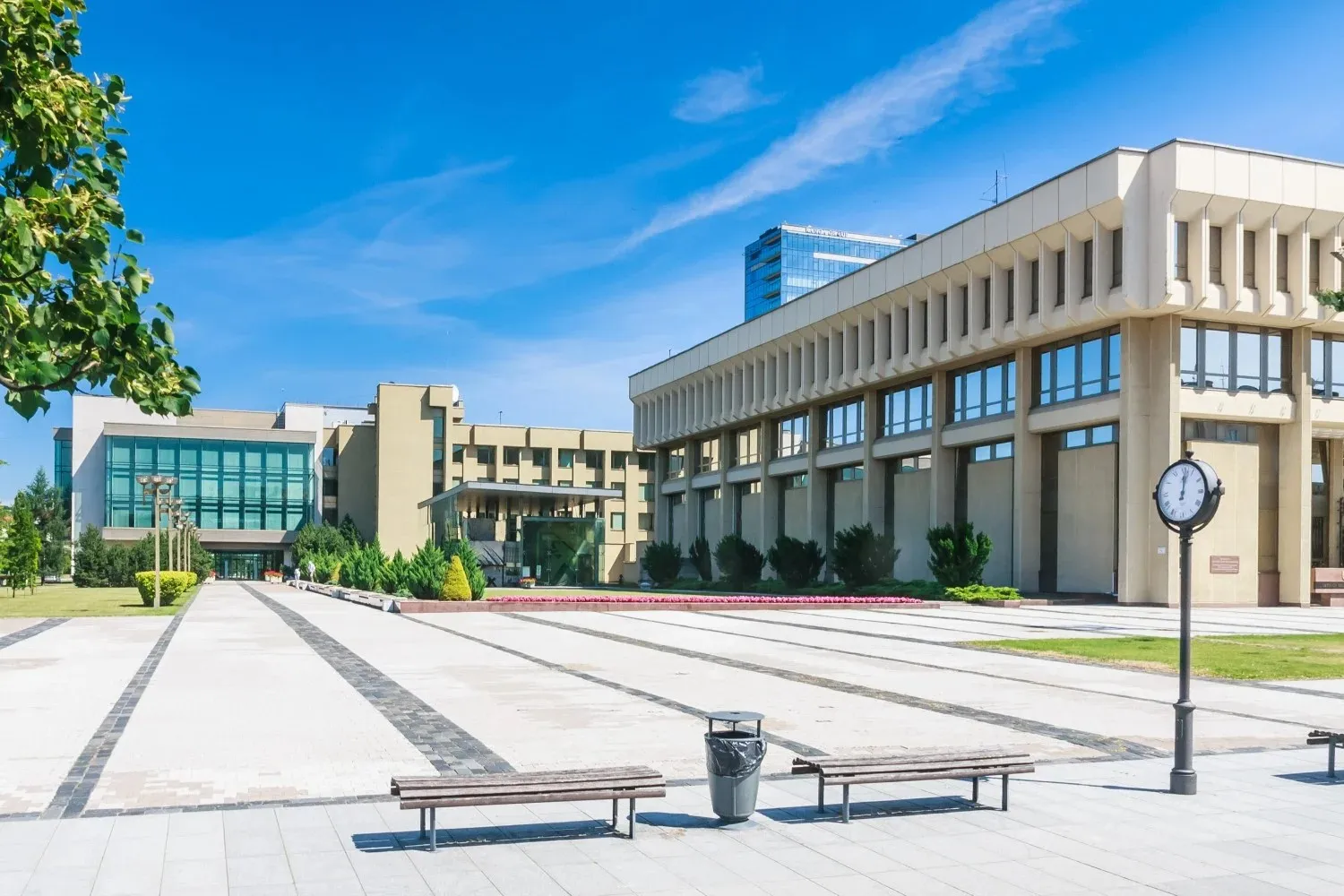
That is why he is spent material. Everything of value was long ago extracted from this ore: the charm, the English, the Western acquaintances, the smile for foreign cameras. The Moscow that is now sitting down at the table with the Americans, and will one day want to return to the European one, cannot speak to its neighbours in his voice. His warnings have long been working against his own side. In Vilnius they become the best argument for the amendment; and for those who travel to negotiate, they are a hindrance, like noise at one’s back.
Until 12 January
In April last year, at his wife’s fiftieth birthday, Peskov came out onto the ice with a bouquet and danced with her. Gliding he knows how to do; in the Kremlin it is all he does. The Seimas will return to the amendment on 12 January, and that same day a familiar phrase will sound from Moscow. There is no need to wait for it: it is already there in the first paragraph. Let us wait instead for another day, when someone else in the Kremlin answers that question in other words. And it seems to me that day is not far off.