

Chapter Eighteen
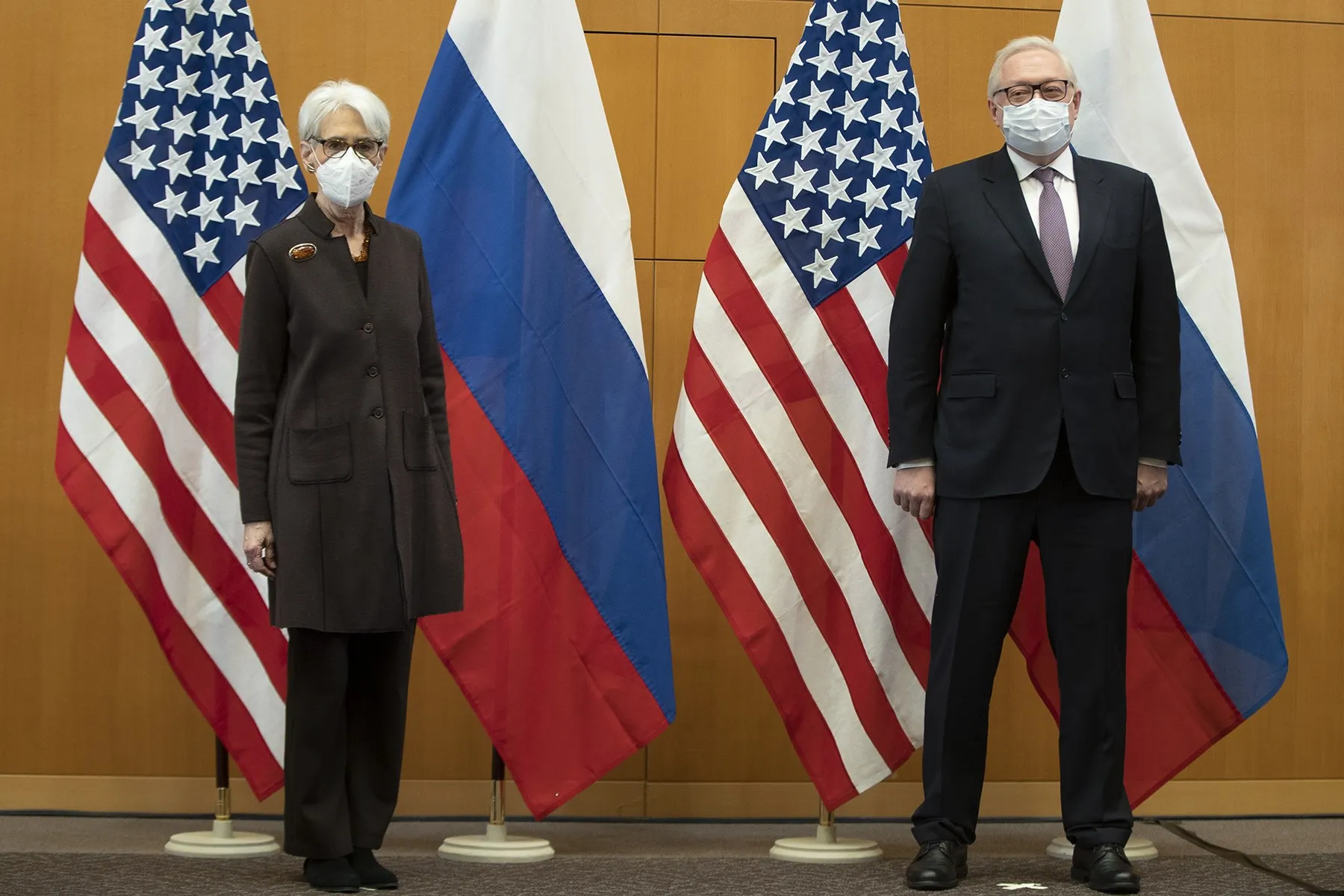
The Prince advises a ruler to be a lion to frighten the wolves and a fox to recognise the snares. The wisdom lies in changing skins at the right moment, and the Kremlin has changed its skin. The fox is Sergei Ryabkov, the deputy foreign minister who has been negotiating with the Americans on nuclear weapons for more than twenty years and who sat across the table from Wendy Sherman in Geneva in January 2022; and Kirill Dmitriev, the president’s special envoy, who ferries energy projects to Washington. The lions are Margarita Simonyan, head of RT, a channel Europe switched off back in 2022; Vladimir Solovyov, known to Italians for his villas on Lake Como; and Olga Skabeeva of 60 Minutes, whose subtitled clips have been doing the rounds on Western social media for years. All three landed on EU sanctions lists precisely as the voice of the state. The trouble is that the state has started speaking in a different voice, and they have not noticed.
The Fox
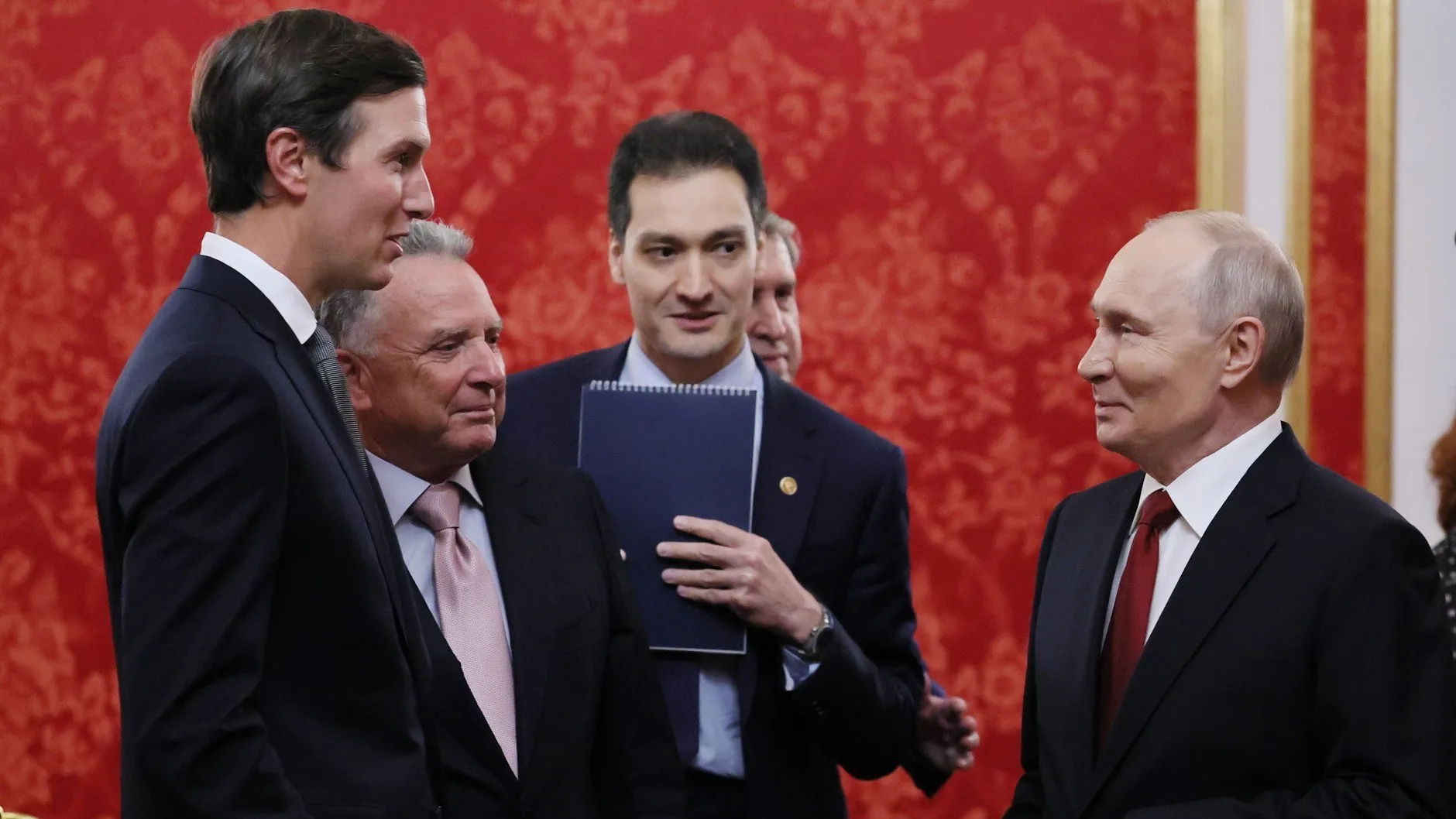
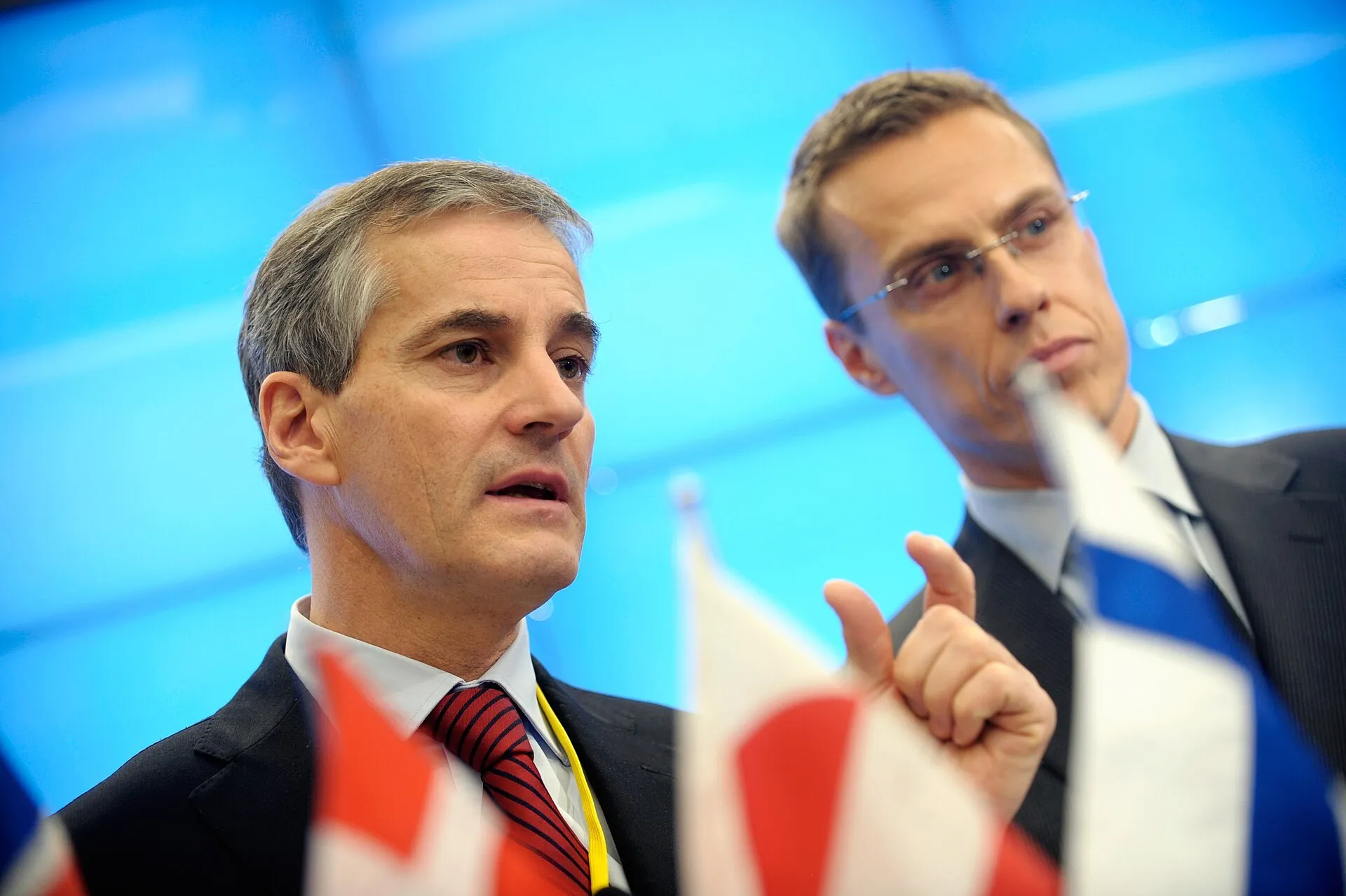
The movement towards peace is quiet, and it proceeds item by item. On 13 October, after another round of consultations with Washington, Ryabkov announced that the next one would take place before the end of the year, and summed up: “What matters to us is the result, not the media effect.” When Trump froze a new sanctions law on 17 October, Ryabkov called it a sign of how “serious” Washington was about helping to find a settlement. On 21 October Putin received Steve Witkoff at the Konstantinovsky Palace, and the very next day Ryabkov was saying that Moscow was “analysing the substance of the additional considerations and ideas” it had heard there. That same day Dmitriev was talking about an “active dialogue” with the Americans on energy, and from 22 October Russian diesel began flowing to the United States. On 27 October Putin spent an hour and a half on the phone with Finland’s president, Alexander Stubb, and Norway’s prime minister, Jonas Gahr Støre, who were passing on a message from Kyiv ahead of a three-way meeting in Abu Dhabi scheduled for early November. Ryabkov does not sugar-coat things: he admits that “finding a way forward is not easy”. But there is a way, and they are following it.
The Lion
Meanwhile, on television, nothing has changed. In July Simonyan addressed Europe from Solovyov’s studio: “My dear little Europeans, we never intended to attack you from the start, and we don’t intend to now,” and promptly added that Russia was not at war with Europe “yet”. In October, on Rossiya 1, she talked about bridges: “Well, they made us, well, we have to, well, what can you do.” Skabeeva keeps it shorter, and Europe knows her targets by name. When Rutte, Stubb and Nawrocki laughed at a joke in Davos, her response was: “Three Russophobes get together. And cackle.” In Merz she spotted a “Freudian” slip. And for that very hour-and-a-half call from Stubb and Støre to the president, the one that was paving the way to Abu Dhabi, she needed only a couple of words: “Finally got through.” The president had spent an hour and a half listening so that the meeting could take place, and in ten seconds the presenter explained to the men on the other end of the line that they were uninvited guests here.
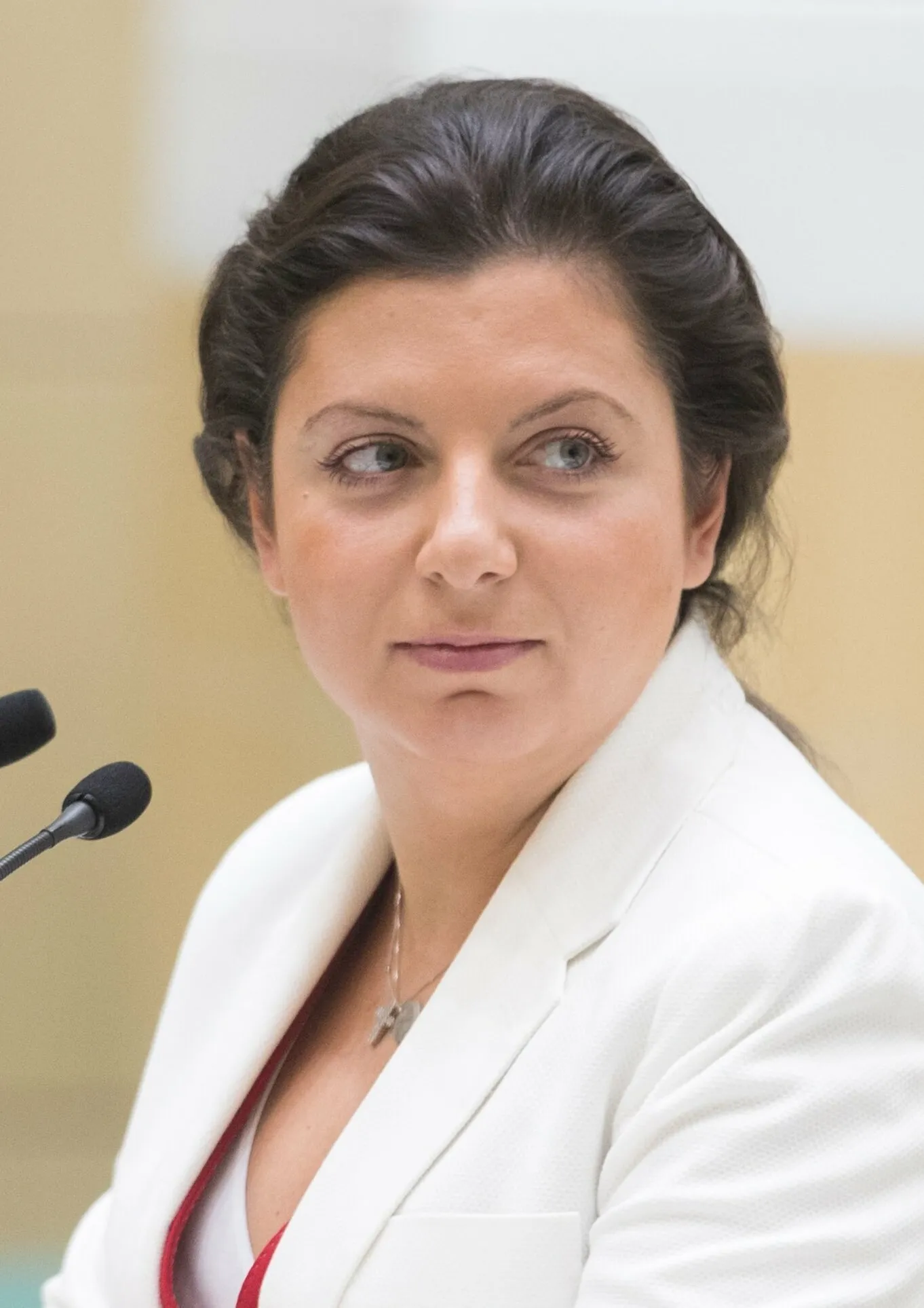
Whatever comes out of Abu Dhabi will have to go through Europe: through the lifting of European sanctions, through the assets frozen in Belgium, through guarantees nobody will give without the Europeans. Every broadcast like that means one more European leader who cannot explain at home why he should strike a deal with people who were sneering at him only yesterday for picking up the phone to Moscow. The lion roars at the very people the fox is already striking a deal with, and every evening it pushes the deal back another week.
Times Change
The presenters themselves sense the change. For the tenth anniversary of 60 Minutes Skabeeva explained that “people are waiting for us to tell them, to explain what is going on”, while her co-host insisted that they were “not soldiers of the information war”. The programme has shrunk from five hours a day to four, and instead of six or seven guests in the studio there are now two or three. Simonyan has started talking about an end to the war that will come, “God willing, fairly soon”. But old habits die hard, and the next evening it is “Russophobes” and “yet” on air all over again.
You could object that television in Russia does not speak on its own, and if it is roaring, that is because those are the orders for now: the fox for Washington, the lion for the home audience, until the paper is signed. I grant that. But that changes only the timing, not the diagnosis. A tool that has started getting in the way is put aside on the day it is no longer needed, and nobody is consulted.
In chapter twenty-five Machiavelli writes that a man prospers as long as his way of acting suits the times, and comes to grief when the times change and he does not. The times have changed, and the prince has chosen the fox. The lions, left without wolves, go on roaring out of habit, and now they are roaring at their own prince’s work. I do not know what form it will take – a programme taken off the air, a quiet move to radio, an honorary post at some foundation – but the faces you cannot sign a peace with will be taken off the screen before the peace is signed. And nobody, in Brussels or in Moscow, will be sorry to see them go. That, perhaps, is the one thing both sides already agree on.