
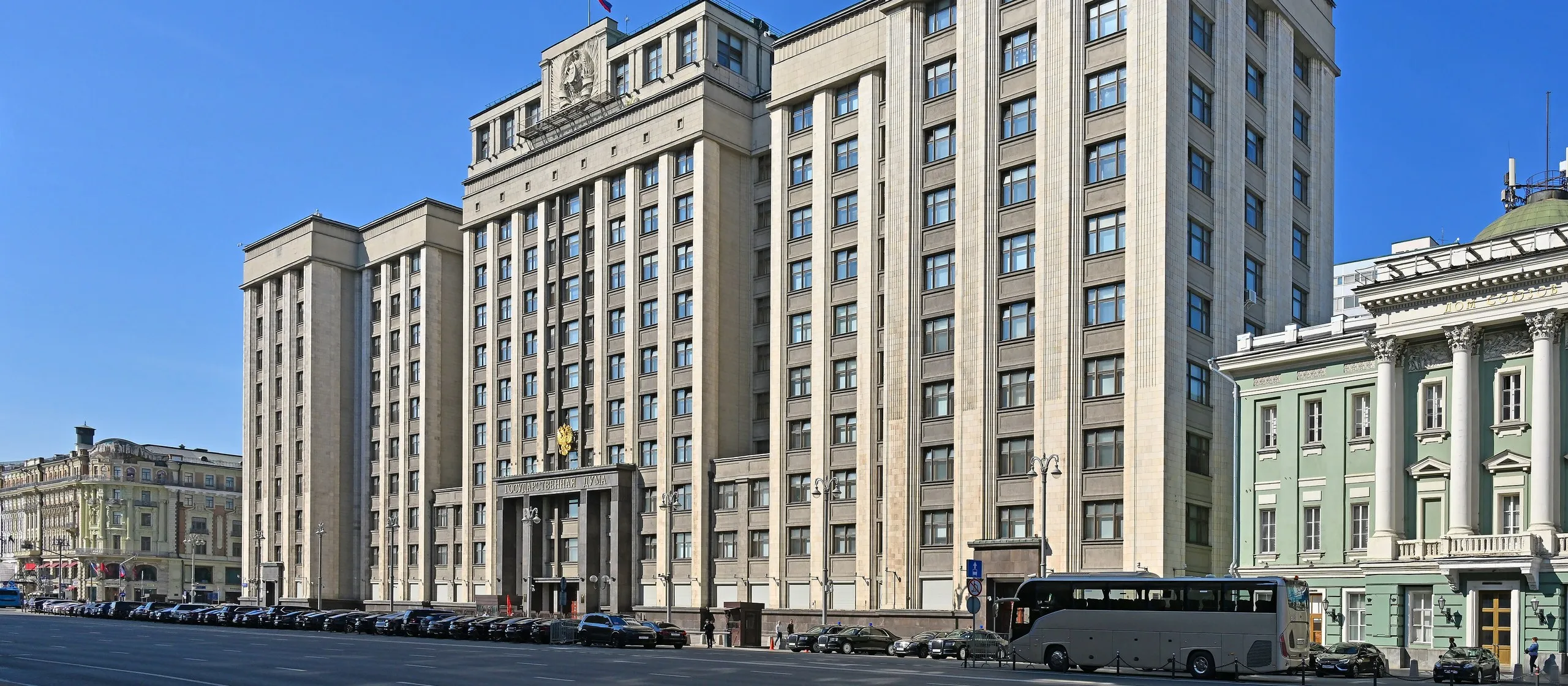
At the end of October the State Duma passed the budget for 2027–2029 in its first reading. Defence is once again the top line: 17.1 trillion roubles for next year, 5 trillion more than the law provides for the current one.
Who Gained
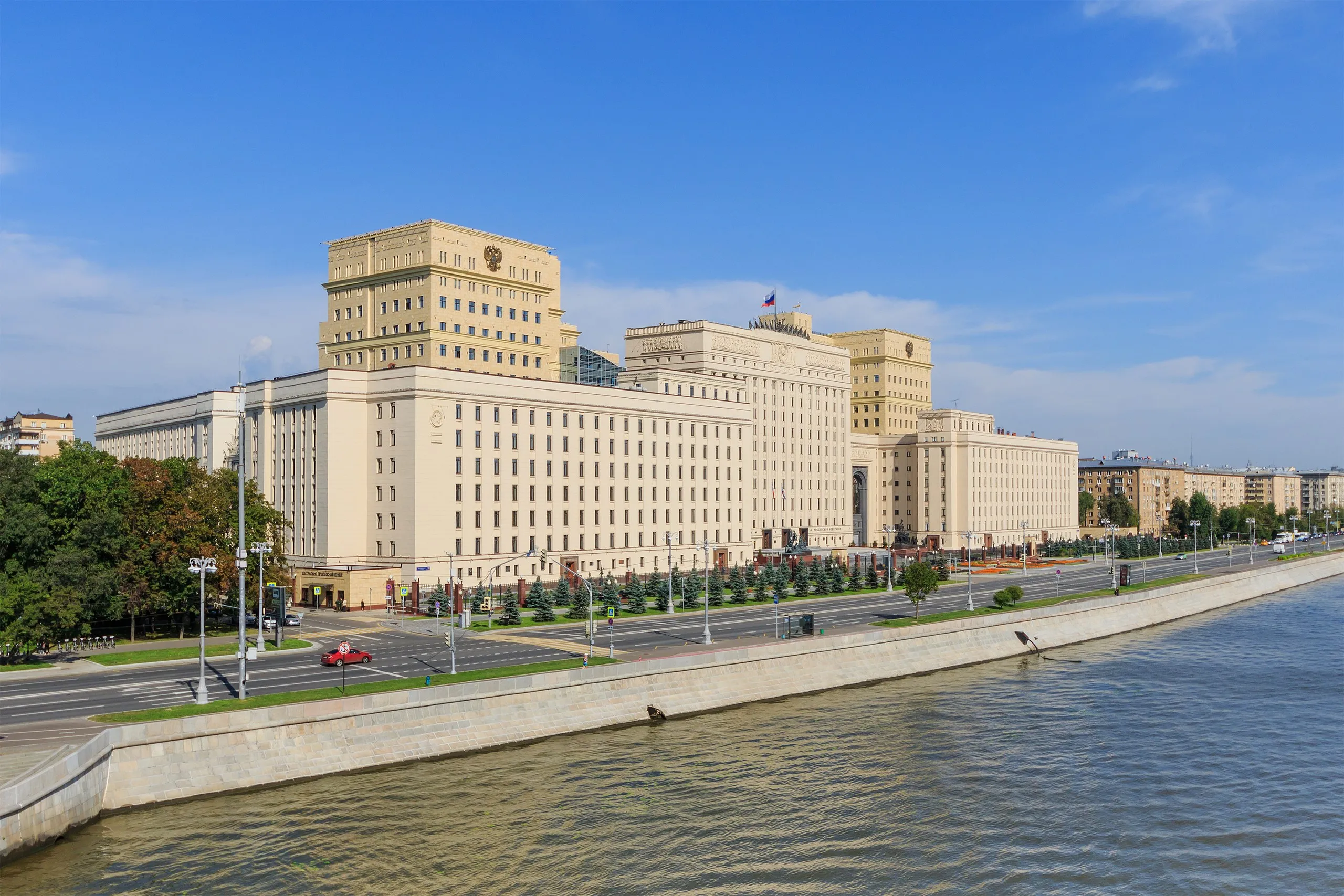
It is commonly assumed that everything comes down to the will of one man. I think that is a mistake. A decision on a big war is prepared by many, and far from all of them answer for it afterwards. Look at who has gained from the break with the West. In 2026 Forbes counted a record 155 dollar billionaires in Russia, with a combined fortune of almost 700 billion dollars. Those who prepared the decision knew better than anyone how much money and influence it would bring them.
I am convinced that Putin long remained a closet “Westerner”. He wanted to talk to the West as an equal, to be part of European security and to trade without barriers. Many of his decisions in years past fit that logic, from Nord Stream to his proposals for a common security system.
The owners of defence plants, the contractors and the bankers saw that course as a threat to their incomes. What they needed was a besieged fortress: behind its walls, resources are divided up without witnesses. They pushed the country towards conflict and are still making money from it.
I know what people will say to this. It was Putin himself who announced the decision on 24 February 2022: “I have taken the decision to conduct a special military operation.” It was he, too, who appointed Belousov to the Defence Ministry, and he linked that appointment directly to rising military spending. But while one man puts his signature to a decision, the options he chooses from are prepared by others. The president decides on the basis of briefings: how serious the threat is, how long the economy will hold out, what delay will cost. If the briefings are written by people who stand to gain from one particular answer, the choice has been made long before the signature.
The World of Budgets and Interest Rates
The generals and their contractors were simply the visible part. The war economy did not vanish along with Shoigu’s team, which the President of Russia did, in the end, manage to dislodge from its comfortable perch. It moved to where it is harder to see: into the world of budget estimates, interest rates and fiscal rules.
At the centre of that world are Andrei Belousov, Anton Siluanov and Elvira Nabiullina. All three were appointed by the president. But every institution has its own logic, and a minister soon starts living by it. Each of them has a part to play, and each part suits those whom a drawn-out conflict keeps at the top.
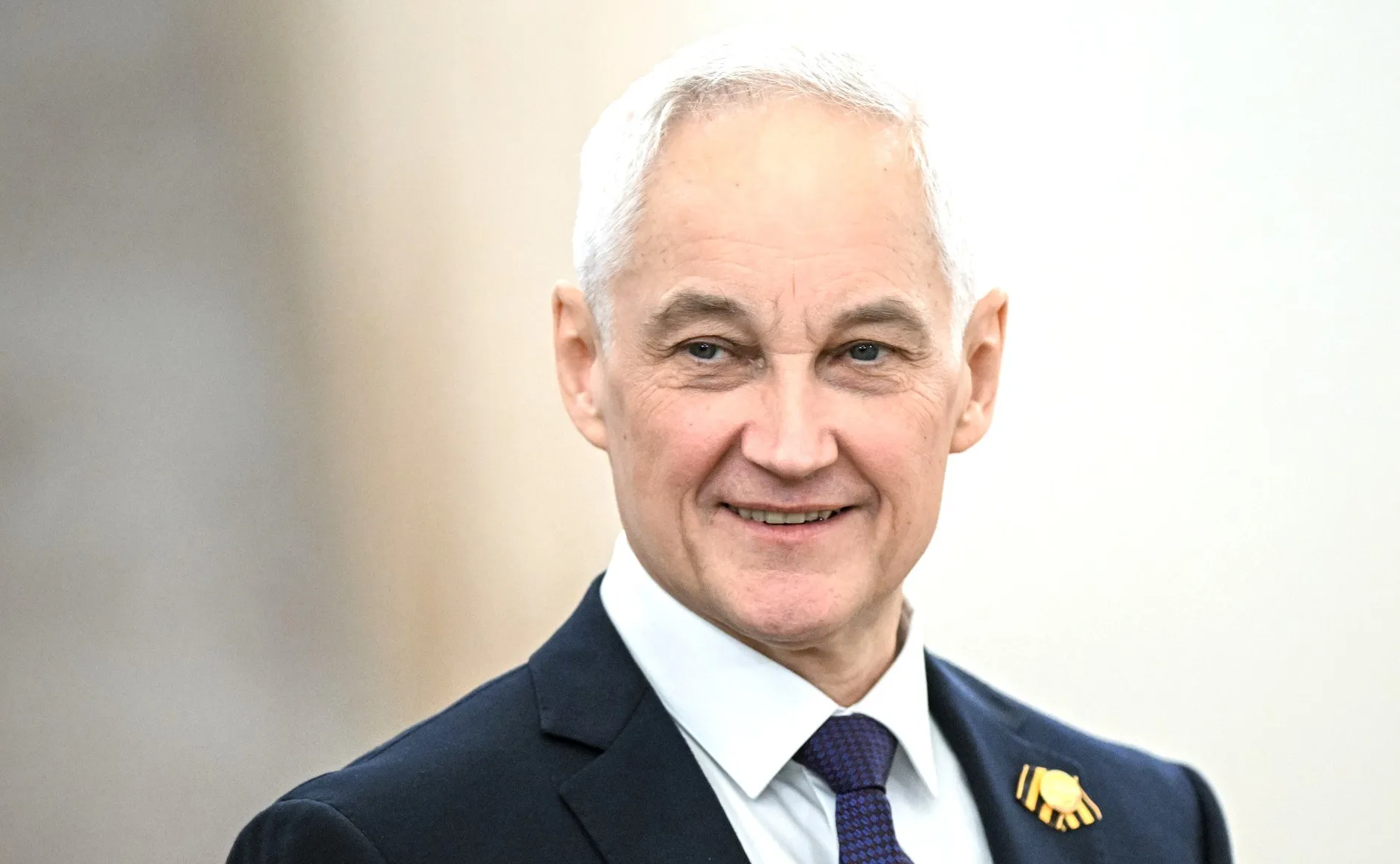
Andrei Belousov is an ideologue of state capitalism, convinced that what saves the system is concentrating resources in the hands of the state. In his frame of reference, factories working three shifts and trillions for the defence industry are an instrument of development. When he was appointed, Putin said that spending on defence and security had reached about 8.7% of GDP. For the military lobby, a minister like that is a gift: his logic can be used to reshape the economy for years.
Anton Siluanov has a different talent: balancing the budget. Emergency spending has given the Finance Ministry a freedom unthinkable in peacetime. Under the 2026 budget law, defence and security take up about 38% of all spending, and defence alone costs more than healthcare, education and social policy combined. The law promised 44.1 trillion roubles of spending this year; it will come to about 48.5 trillion. The money flows through classified budget lines, and any question about efficiency is met with the answer: “state necessity”.
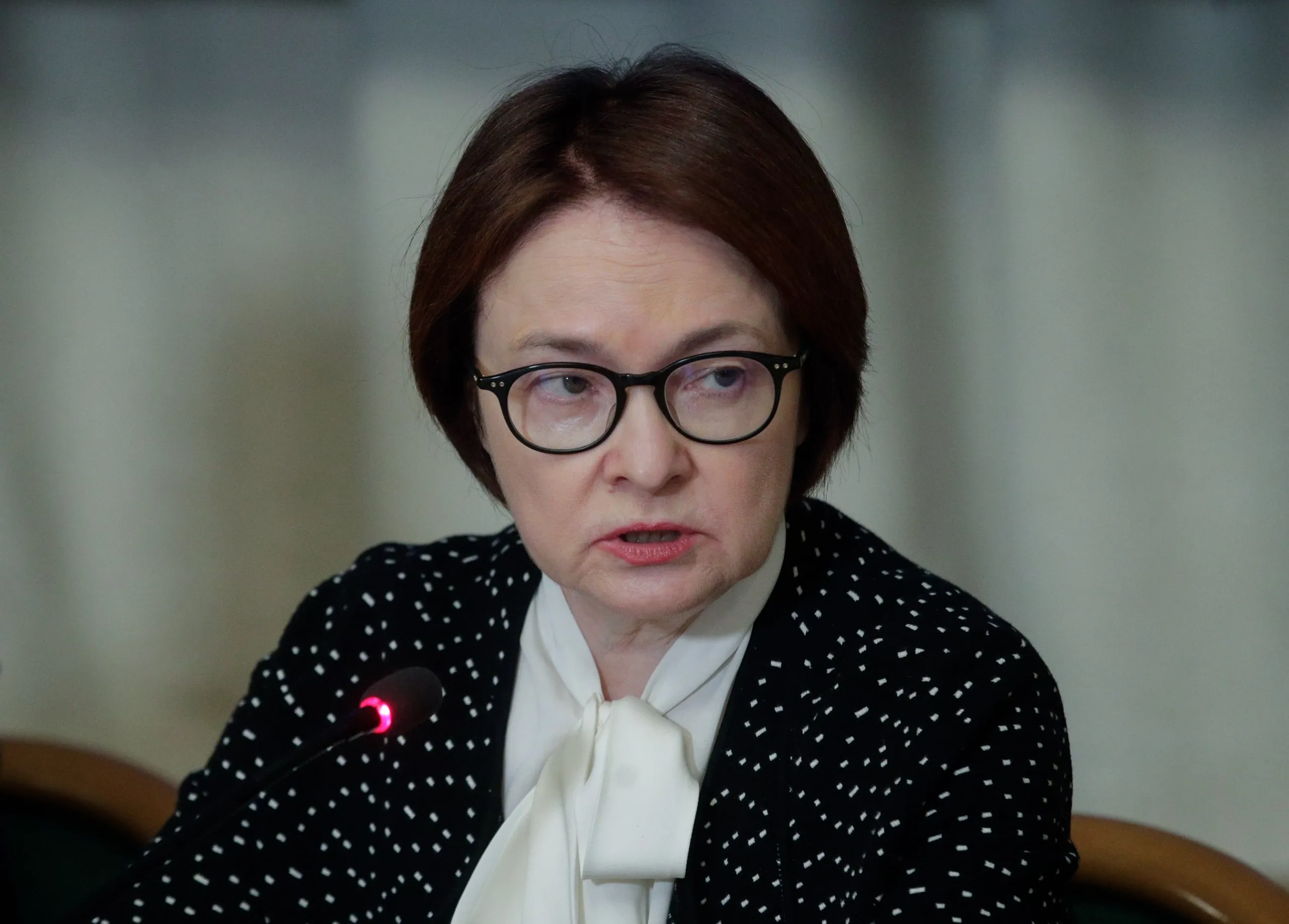
Elvira Nabiullina is the most complex part of the mechanism. She is regarded as an independent technocrat, and rightly so. It is she who holds the economy together. Her interest rate keeps inflation down and stops military spending from driving up prices. In the autumn of 2024 the central bank raised it to a record 21%, and by the summer of 2026 had brought it down step by step to 14%. The defence industry does not like this. In 2024 the head of Rostec, Sergei Chemezov, called the record rate a brake on industry and warned that factories would go bankrupt. Yet the stability Nabiullina provides is exploited by others. As long as the central bank keeps prices in check, there is no need to revisit military spending. Without her, the economy would have hit its limits far sooner, and the question of a way out would have arisen of its own accord.
Folders Full of Numbers
The government’s economic and financial bloc does not stage walkouts. Its method is subtler: the power of numbers. It is not hard to imagine how every attempt by the president to feel out a pause is greeted: with folders of calculations from the Finance Ministry and the government. Charts and models in them prove that a pause would have grave consequences.
They show what social risks cuts in defence spending would bring, how many enterprises would grind to a halt without orders, what holes would open up in the budget. The same models once promised a quick result, and nobody was ever held to account for that mistake. Now they paint a catastrophe, just as confidently, in the event that peace breaks out.
The Double Wall
A different signal is coming from the Kremlin. On 21 October Putin spent three hours in St Petersburg talking to Trump’s special envoy Steve Witkoff, and declared that Moscow was ready to return to three-way talks with Washington and Kyiv. It is read in different ways, but the direction is clear. Further down, though, it runs into a double wall. On one side, “accounting expediency”. On the other, overheated European rhetoric: in Brussels, Berlin and London the loudest voices are those who call the very idea of dialogue madness. And the more confident such “hawks” sound over there, the more at ease are those in Moscow who are profiting from this conflict.
Those who have built themselves into this money machine have no need for an ending. What they need is the process itself, because the process feeds them reliably and at almost no personal risk. For them, peace is more frightening than any defeat. It would end the era when spending did not have to be accounted for, because every question had a ready answer: “Surely you understand the scale of the task.”
The End of the Untouchables
But even the untouchables can be touched. In 2024 Deputy Defence Minister Timur Ivanov was arrested, and in 2025 he was sentenced to 13 years in a penal colony, the longest sentence yet for an official of that rank. Since Shoigu’s dismissal at least 19 Defence Ministry officials have become defendants in criminal cases, among them four of his former deputies. For years such people were sure that their schemes and connections would protect them. They failed to reckon with the fact that Putin had long wanted to lead the country out of isolation. Wars are started on the strength of one set of briefings and ended in spite of another. And the history books remember not those who counted the profits, but the one who put a stop to the counting in time.