

On 20 October Sergei Lavrov gave a send-off speech to the latest intake of graduates joining the diplomatic service, and told people just starting out in the profession that “we are not expecting any miracle”. The next morning Steve Witkoff touched down at Pulkovo. He was met by Kirill Dmitriev, the same man who later sat beside Yuri Ushakov through three hours of talks at the Konstantinovsky Palace, and who posted afterwards that the meeting had been very productive. The foreign minister was nowhere to be seen. Whether anyone at the palace was expecting a miracle, I can’t say, but whoever was working towards one was plainly doing it without Lavrov, who isn’t even expecting one.
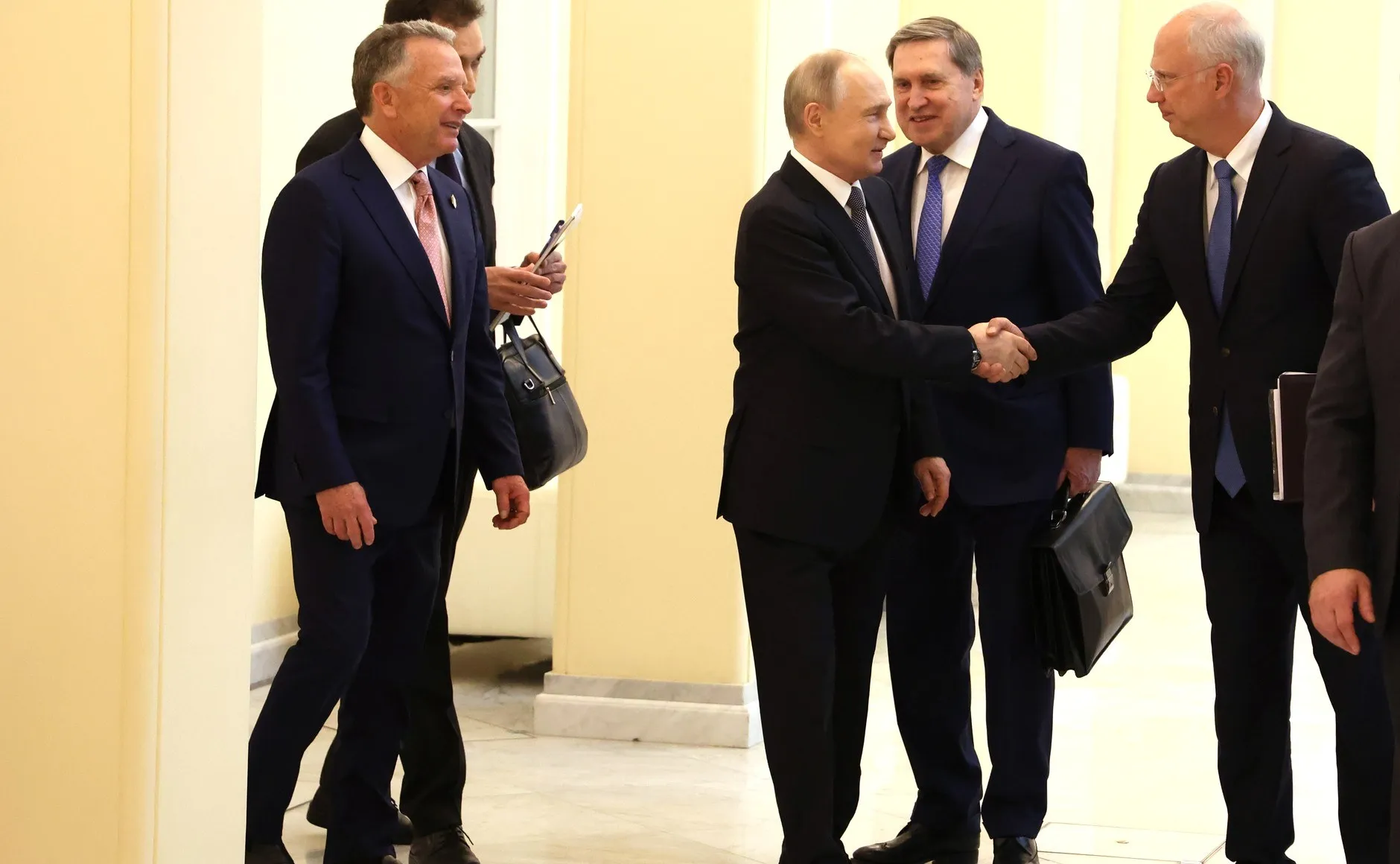
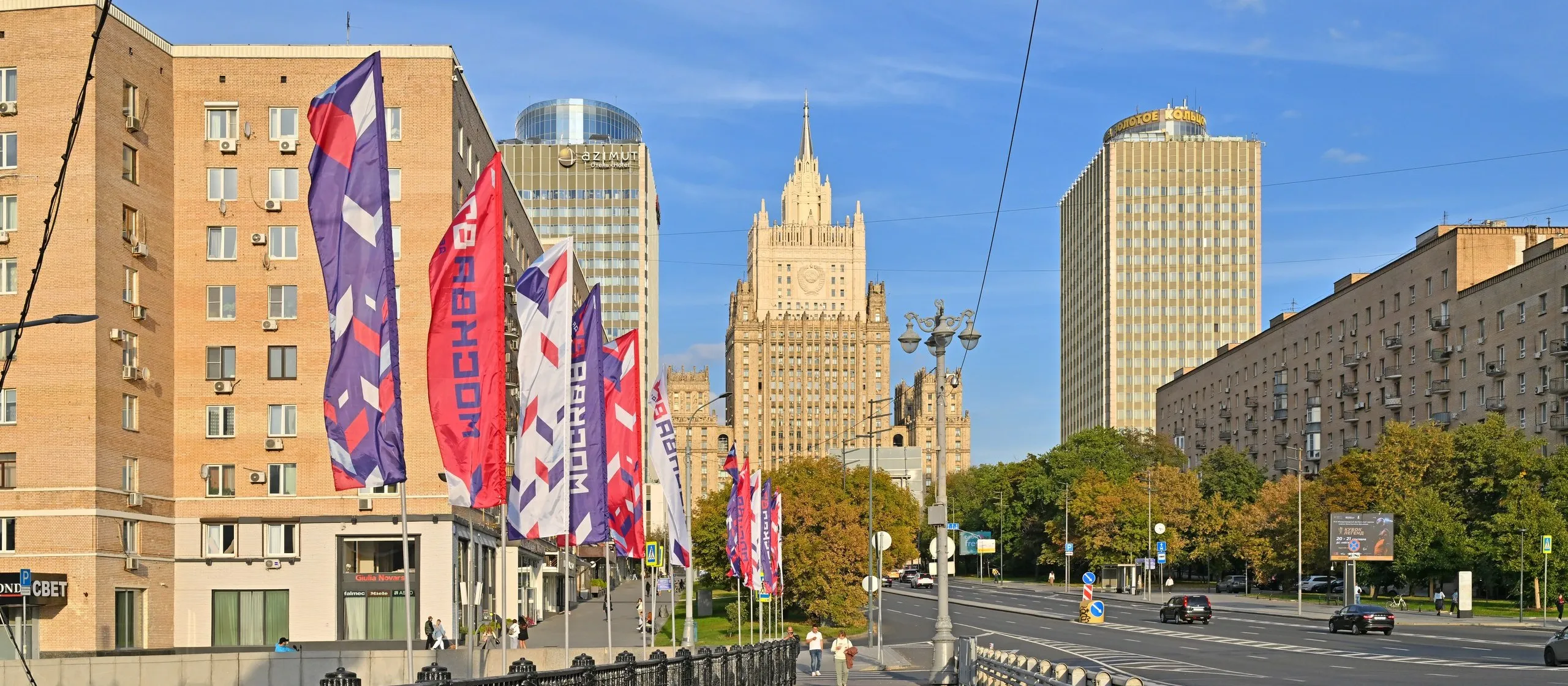
The timing is almost a taunt. Exactly a year earlier, on 21 October 2025, Lavrov had a phone call with Marco Rubio, after which Washington shelved preparations for a summit in Budapest. In the year since, the talks have moved out of the Stalinist skyscraper on Smolenskaya Square that houses the Foreign Ministry and into the Konstantinovsky Palace. The question now, it seems to me, is no longer whether Lavrov will go, but who will replace him. And that is where the trouble starts, because the man who has been groomed for the job for years will have to be put back on the shelf. But first, a word about what exactly needs to go.
Mr Nyet’s Apprentice
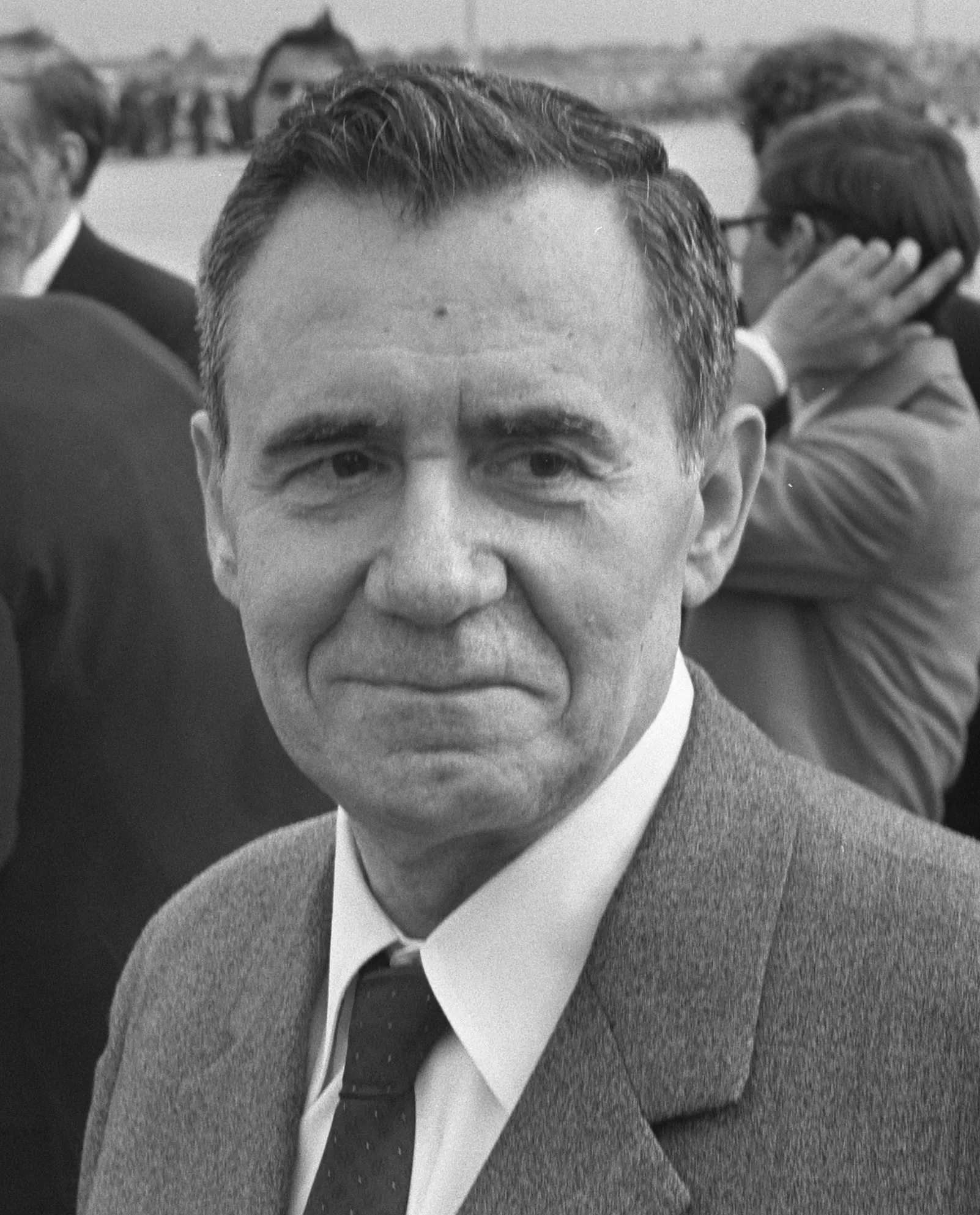
Lavrov joined the Foreign Ministry in 1972, under Andrei Gromyko, known in the West as “Mr Nyet”, and he learned his master’s lessons all too well. Gromyko said “no” to his adversaries; Lavrov says it to everyone, from journalists and colleagues to the US secretary of state, if the Financial Times is to be believed.
I won’t fault him for being tough. Toughness is no vice in itself, as long as it reflects the Kremlin’s position, which a minister is duty-bound to voice. The trouble is that, according to the same FT, Lavrov’s position is sometimes his own, and then the complaint is no longer just about his manner. Not that there is any shortage of things to say about his manner. The seventeenth-century English diplomat Sir Henry Wotton described an ambassador as an honest man sent to lie abroad for the good of his country. The American humourist Will Rogers put it more simply: diplomacy is the art of saying “nice doggie” until you can find a rock. Lavrov, as I see it, has mastered neither. He can’t lie gracefully, and he reaches for the rock before he has got as far as “doggie”.
There are so many examples that people have long been compiling them. In 2015, at a press conference with the Saudi foreign minister, a muttered “morons”, plus an expletive, was picked up by the microphone, and he later conceded himself that he had put something less than diplomatically. In half a century he has probably never described himself more accurately. A year later in Hamburg, the “moron” was a Reuters cameraman. He once asked a journalist with an awkward question who had taught her manners, a question that rather begs to be returned to sender, and told a correspondent who asked for an interview to go and talk to the peacocks. He even turned up to the Anchorage summit in a sweater emblazoned with “USSR”, thirty-four years after that country ceased to exist. Childish, but catching: a year later Davyd Arakhamia, leader of the Servant of the People faction in the Verkhovna Rada, greeted Witkoff and Kushner in a “Kyiv regime” T-shirt, and the guests went home with matching ones as souvenirs. Merch diplomacy had gone bilateral, and frankly I couldn’t tell you which of the two outfits looked sillier.
As long as it was only journalists on the receiving end, you could laugh it off and put it down to fatigue. What is harder to understand is why the country has for years put up with a permanently weary minister as its public face, especially since October 2025, when the weariness reached the phone line. After the call with Rubio, a source quoted by the Financial Times described Lavrov without any diplomatic hedging: a man who is tired and seems to think he has better things to do than talk to the Americans, whatever Putin might want. Two weeks later Lavrov was the only permanent member to miss a meeting of the Security Council, and for the first time Maxim Oreshkin went to the G20 in his place. A surgeon who has had enough of blood usually changes careers; a diplomat who has had enough of talking, for some reason, stays put.
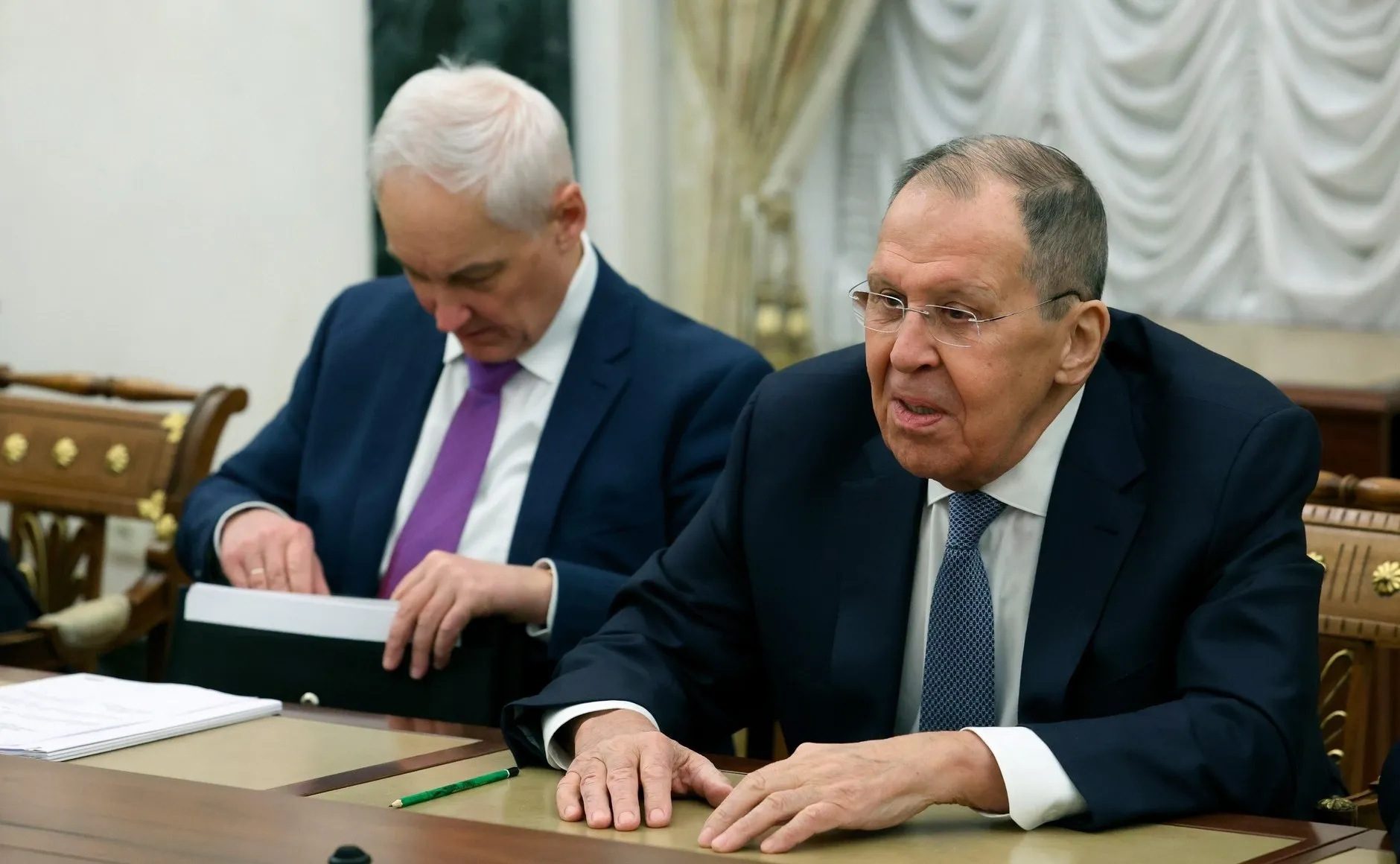
The minister’s entourage denies the resignation rumours in unison, and Zakharova went as far as calling her boss a great diplomat whom even his enemies envy. His enemies certainly have nothing to complain about: a minister whose phone calls get summits cancelled saves them a great deal of trouble. One thing Lavrov does still have is the affection of television audiences, and the polls keep him among the most popular politicians in the country. But there are no television audiences at the negotiating table, and everyone seems to understand that except the minister himself.
Same Script, New Voice
It would make sense to look for a replacement among people who behave differently, and the ministry has long had just such a man. When talk of replacing the minister surfaced in December 2022, Mikhail Galuzin was on the list of possible successors, and on paper you could hardly wish for a better candidate. A graduate of the Institute of Asian and African Countries and a Japan specialist by training, he has served in the Foreign Ministry since 1983, was ambassador to Indonesia and to ASEAN and then to Tokyo, and in Jakarta he went out to lecture students himself rather than send journalists off to the peacocks. The Japanese say the nail that sticks out gets hammered down, and in forty years of service Galuzin has never once stuck out: no “morons”, no sweaters. Today he oversees relations with the CIS and sits at the negotiating table beside Medinsky, in Istanbul and in Geneva. I confess that when I sat down to write this piece, I meant to hold him up as the model.
I changed my mind as soon as I got to his interviews. In June he told Lenta that Ukraine has “no will for peace” and that it is Kyiv and its European allies who stand in the way. Ukraine’s future, he said, will be decided by its residents “only in a country free of Nazis”, and another of his interviews ran under the headline “We will not tolerate the existence of an openly anti-Russian state on our borders”. So it is Lavrov speaking through Galuzin’s mouth, only with Japanese courtesy. Theodore Roosevelt advised speaking softly and carrying a big stick, and Galuzin does indeed speak softly; it is just that his stick is Lavrov’s, and it has long since turned inflatable. They still wave it around, but nobody is frightened of it any more.
There is a phrase for this kind of personnel policy: rearranging the deckchairs on the Titanic. You can arrange them more nicely, but the ship stays on the same course. If Lavrov is a recording that has been on repeat for more than twenty years, Galuzin is the same recording with a new dub: a pleasanter voice, the same script. The ministry spent years bringing on a new generation and did it flawlessly. That generation has learned everything it was taught, and that is exactly why it cannot be let anywhere near the place where a different approach is now needed.
The Outsider
Which raises the question of where to find different people. I suspect the answer has already met the Americans at the airport more than once. A new kind of diplomacy is under way, just not by the book, and it is being led by a man whose title is special representative for investment and economic cooperation, a financier rather than a career diplomat. His vocabulary runs to “moving forward” and “peacemakers”, but has no room for “encroachments”. Churchill is credited with saying that jaw-jaw is better than war-war, and Dmitriev seems to have mastered a third genre: deal-deal. You can wince at the style all you like, and I wince myself when I read his posts, but talks with him in the room last three hours and end with the word “productive”.
Dmitriev has already shown that you can do business with the Americans without a Foreign Ministry pedigree. The trouble is that he does it almost single-handed, whereas a big country’s diplomacy needs ambassadors, negotiators and lawyers who spend months going over the texts of agreements. There is hardly anyone to recruit at Smolenskaya, because everyone who might replace Lavrov was brought up by Lavrov himself. It looks like a dead end, but Moscow has found a way out of one before, and it did so precisely when his own mentor was being replaced.
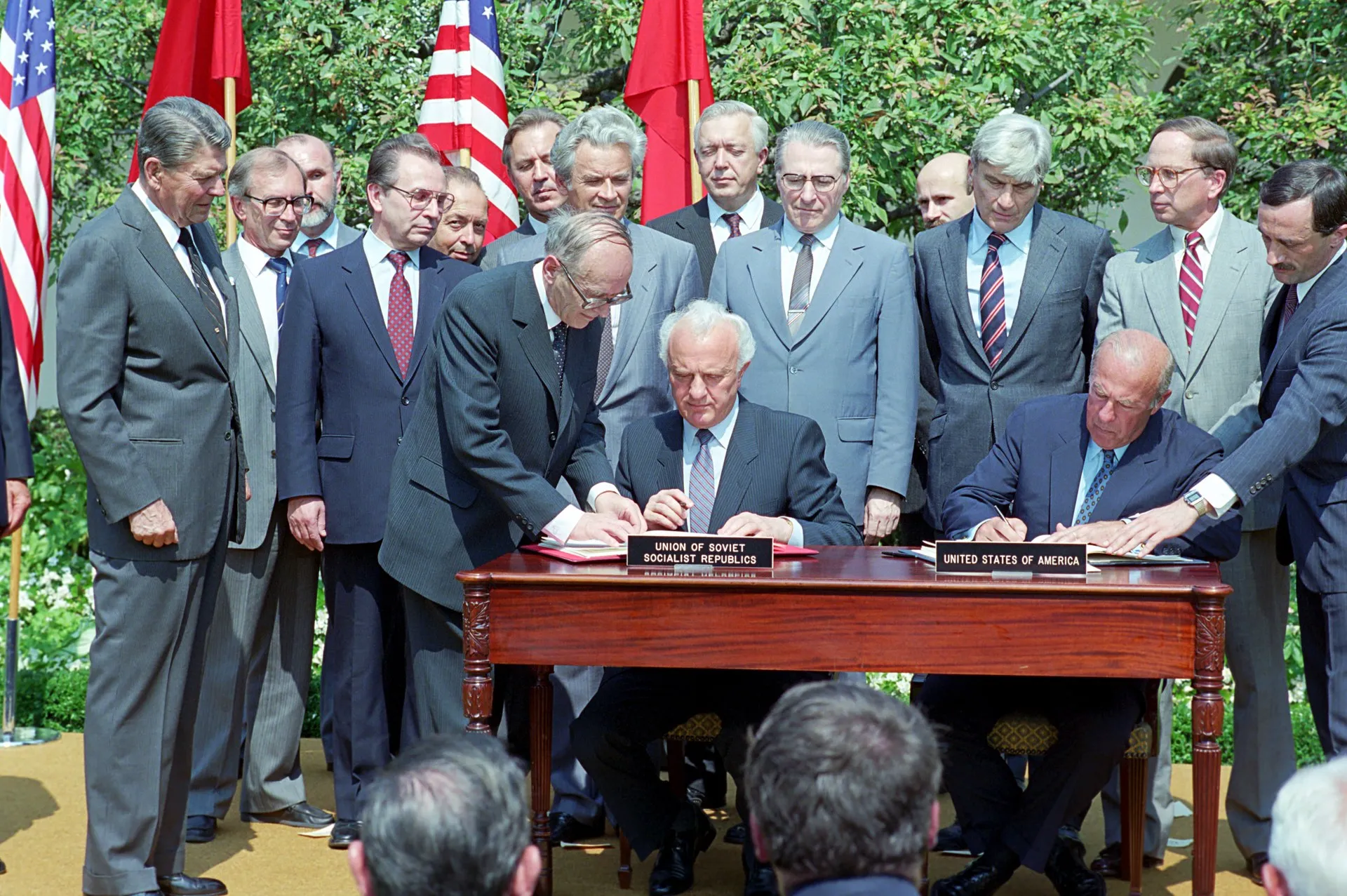
Gromyko ran the Foreign Ministry for twenty-eight years and also seemed eternal. When Moscow decided in 1985 to negotiate with Washington in earnest, he was kicked upstairs to chair the Presidium of the Supreme Soviet, where he could say “no” as often as he liked without it making any difference. The new minister was Eduard Shevardnadze, the Communist Party boss of Georgia, who had never spent a day at the Foreign Ministry, and the West was baffled then too. Two and a half years later Gorbachev and Reagan signed the Intermediate-Range Nuclear Forces Treaty, which Shevardnadze had prepared with George Shultz. Mr Nyet could not be replaced from within, so he was replaced from outside. Who will be this time’s Shevardnadze, I don’t know. All I know is that Lavrov has spent his whole life following in his mentor’s footsteps, and by the look of it he will end his career the same way Gromyko did.