



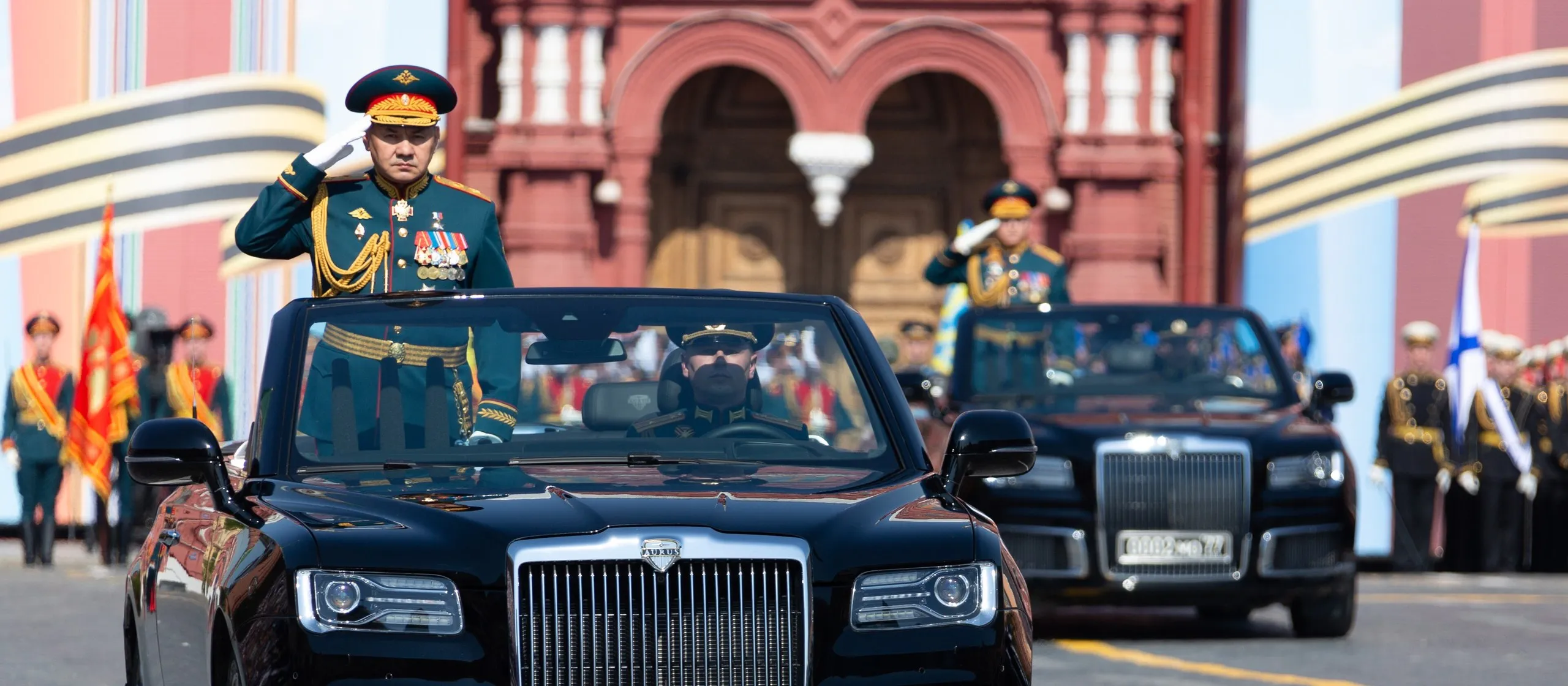
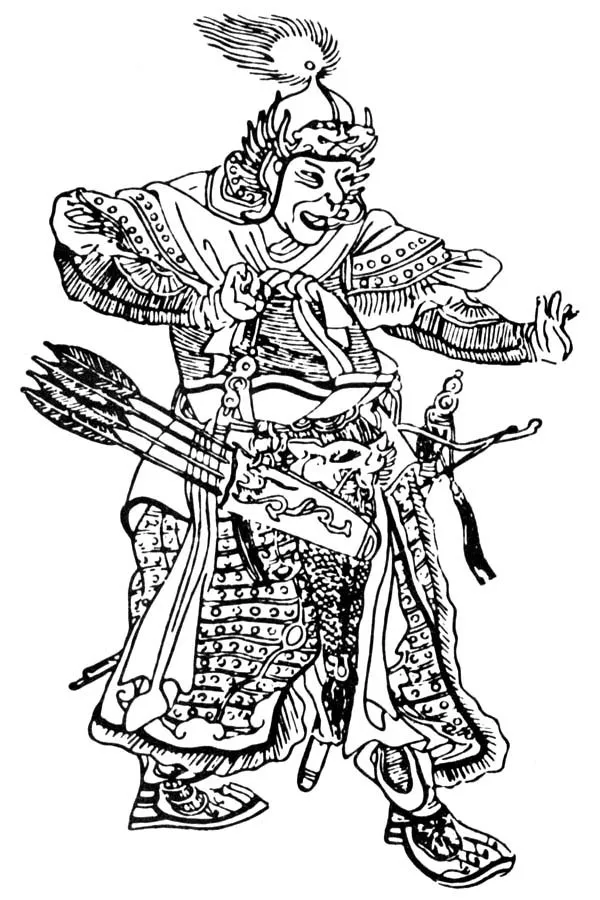
For a long time I filed the story under local colour, alongside tales of the yeti in the Altai, until I saw how carefully it had been cultivated. In 2019 a book series on great Tuvans, dreamed up by Shoigu himself, brought out a volume on Subutai running to more than seven hundred pages. Its author wrote without a flicker of irony about fellow Tuvans who see the minister as the general reborn, and admitted that he believed it too. In his museum hangs a gilded portrait of Shoigu, before which visitors are expected to bow.
The trouble is that the real Subutai was not famous for cutting a fine figure on parade. He went down in history for winning a campaign before he had even left camp. In Subutai’s army, intelligence was gathered years in advance, every rider had spare horses, and fodder was worked out for every day’s march. The Tuvan heir took everything from that image except its substance, and the conflict of 2022 exposed this faster than any historian could.
The Minister’s New Clothes
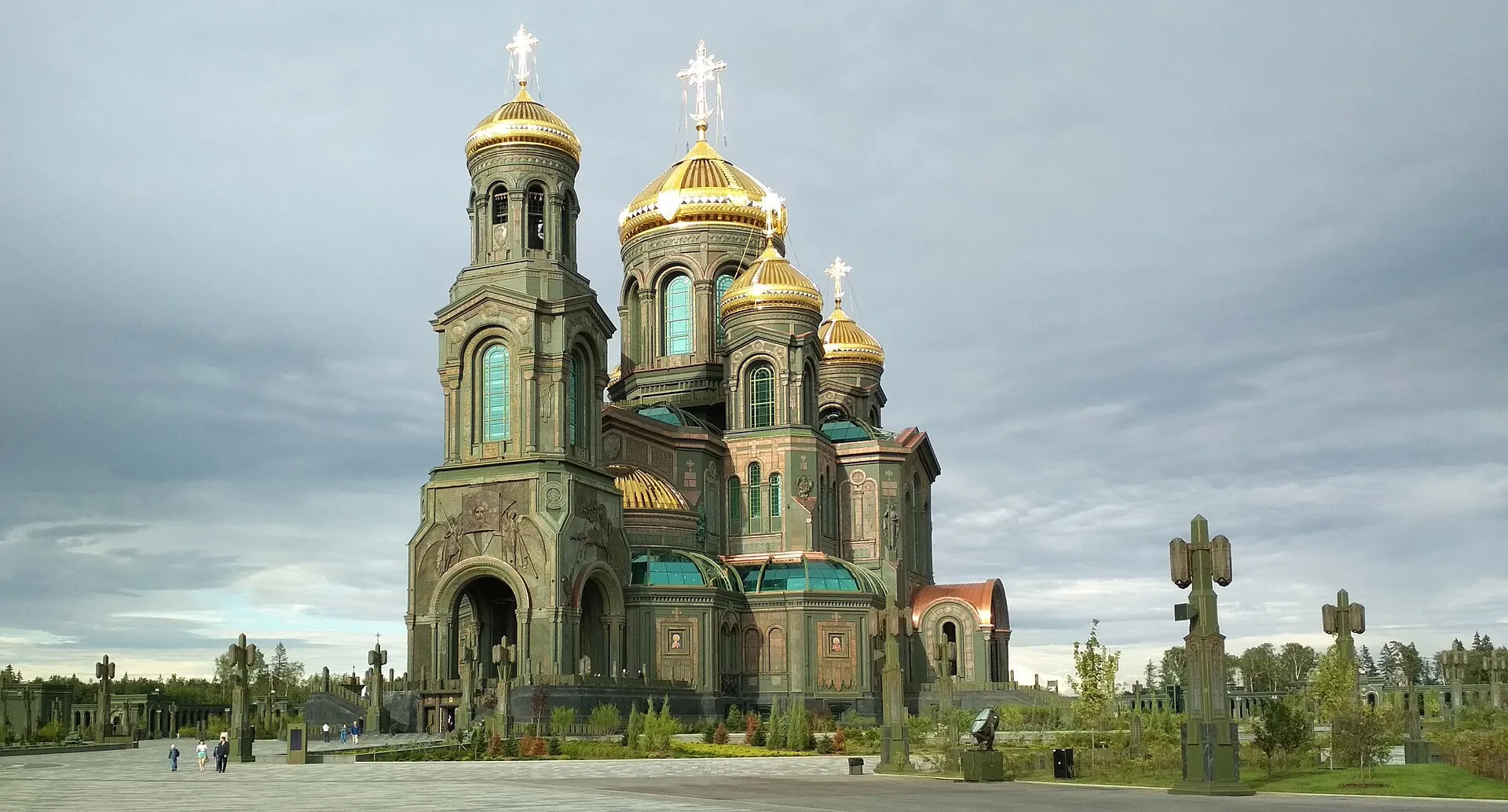
For ten years Shoigu built an army fit only to be admired on parade. On his watch came the International Army Games with their tank biathlon, Patriot Park with a cathedral all of its own, and an endless stream of reports on modernisation. By 2022, as The Wall Street Journal put it, the ministry had built itself a reputation as a formidable force. When the time came to put that reputation to the test, Shoigu, according to a source quoted by Verstka, did not object; he was delighted, expecting something not much more serious than the Crimea operation. Working from captured documents, the British think tank RUSI later calculated that the plan had been designed to take about ten days. On 11 March, two weeks into the conflict, the minister reported on camera: “Everything is going according to plan. I have already reported this to you here more than once, every day.” By then the miles-long convoy outside Kyiv had been stuck for more than a week without fuel or supplies, and by the end of the month the troops were already pulling back from the capital. While the minister talked about the plan, his people were running a business of their own, and in precisely the area that, for Subutai, was the beating heart of every campaign.
Supply Lines
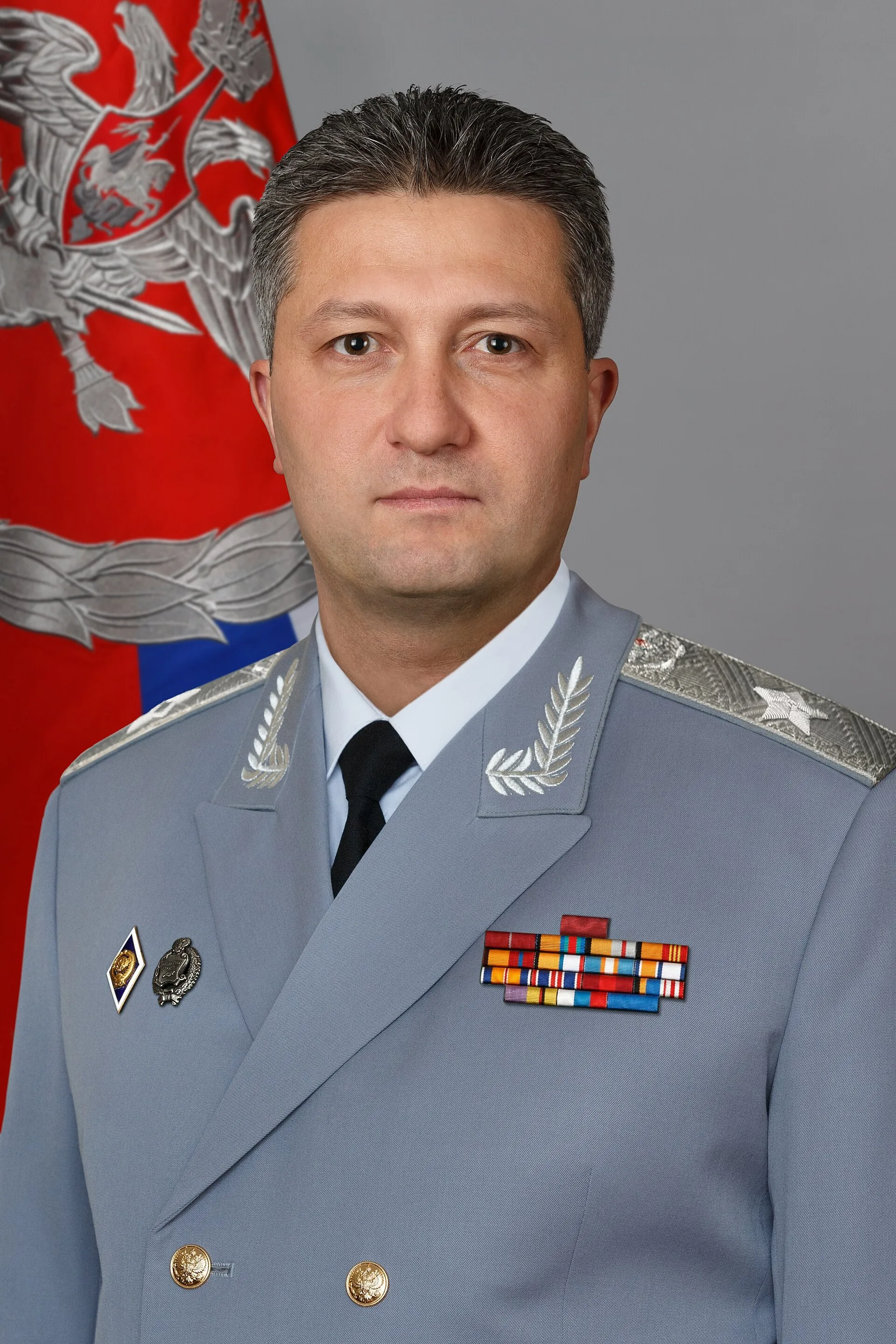
For eight years Shoigu’s former deputy Timur Ivanov was in charge of construction and property at the ministry. He was arrested in April 2024 and a year later sentenced to thirteen years, a record for a Russian official of his rank. According to investigators, he was paid more than 1.3 billion roubles in bribes in kind: the restoration of a mansion in central Moscow and the construction of a country estate near Tver. One such estate, worth more than $10 million, he has already handed back to the state. All Moscow was gossiping about his family’s high life long before his arrest. The luxury that was once a shop window has become the evidence.
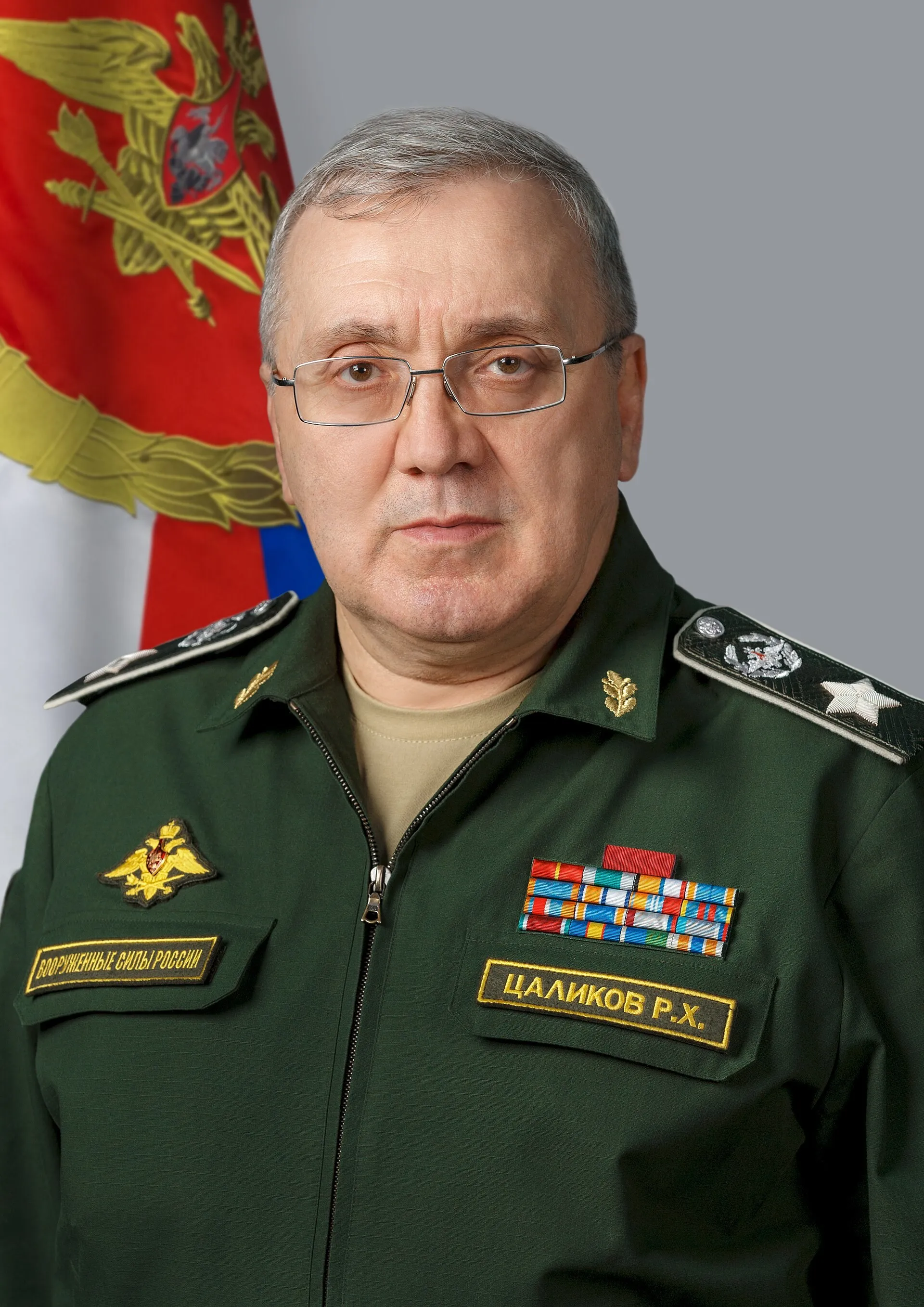
Another close associate, Ruslan Tsalikov, walked at Shoigu’s side for three decades, from the Emergencies Ministry of the nineties to the office of first deputy defence minister, and in the corridors they called him Faithful Ruslan. In 2025 he gave detailed testimony against Ivanov, and in March 2026 they came for him too. Investigators believe Tsalikov ran a criminal ring that fed on contracts for soldiers’ uniforms, and put the damage at around $85 million.
Nor does the list of corrupt officials around Shoigu end there. Pavel Popov was in charge of that same Patriot Park and, according to the court, used public money to build himself a country house. He was given nineteen years, which he managed to get cut to ten on appeal. The former head of logistics, General Bulgakov, is awaiting a verdict in a fraud case. So all four ran supply, construction and housekeeping, the very art with which Subutai won his wars, while in his heir’s ministry that art became a racket.
The Tiger and the Jackals
Nearly all of them came into the ministry with Shoigu and stuck close to him the way Tabaqui the jackal stuck to Shere Khan, picking up whatever scraps were left after the hunt. When the tiger was moved to the chair of Security Council secretary, Ivanov was already behind bars, and the rest soon followed, only not after Shoigu but after Ivanov.
Shoigu’s departure from the ministry in May 2024 was presented as a promotion, but it looks more like an honourable exile. For ten years the minister promised a formidable army; in the first weeks of the conflict he insisted that everything was going to plan; and for two more years after that he pretended there had been no failure. Embezzlement can be pinned on subordinates, but lies about the situation at the front cannot be pinned on anyone else. That sort of thing usually ends in disgrace, yet his past services and old connections allowed Shoigu to leave not for retirement but for the honorary seat of Security Council secretary. Honorary seats, mind you, are rarely for life.
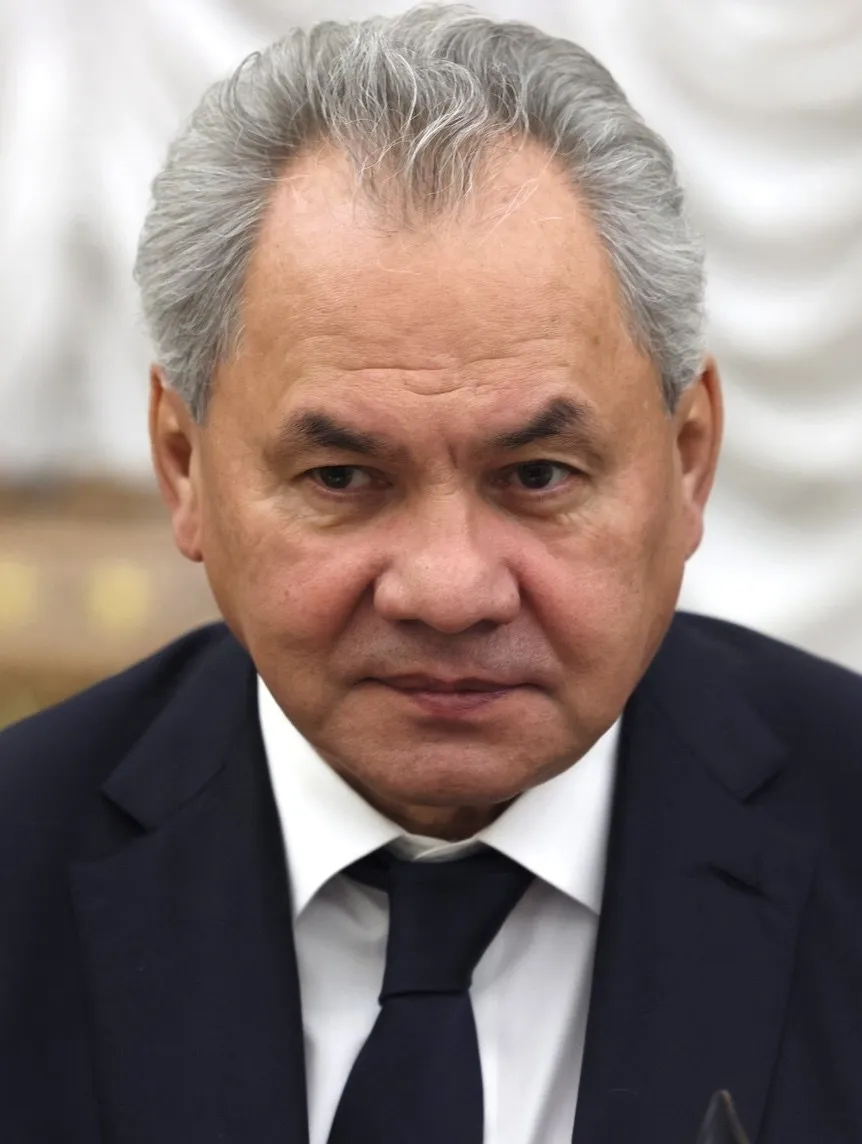
The jackals were shown no such mercy, and the purge is moving the way investigators usually move: from the bottom up. First Ivanov the builder, then Bulgakov the logistics chief and Popov with his park, and almost two years later Tsalikov, closer to Shoigu than anyone else in the ministry. Each new arrest lands nearer the head. A European intelligence report, which CNN wrote about in the spring, described Tsalikov’s detention as a breach of the unwritten guarantees given to the elite, and said outright that the chances of Shoigu himself being prosecuted had risen.
Council Rock
Shoigu, meanwhile, carries on as if nothing has happened. His military contract has been extended to 2030. He speaks often and willingly, and on 21 October in Pyatigorsk he was once again explaining that the West invents a Russian threat to cover up its own “catastrophic miscalculations”, and that its subversive work must be met pre-emptively. That same autumn the president’s special envoy Kirill Dmitriev was in Washington discussing peace and joint energy projects, and on the day of the Pyatigorsk speech he was talking up an “active dialogue” with the Americans on energy. Listen to the two speeches back to back and you get a strange feeling, as if in one house the clocks were all showing different times. I was reminded of Miss Havisham, who stopped the clocks at the moment of her misfortune and sits for years in her wedding dress beside a dried-out cake. Shoigu’s clocks stopped in February 2022. He still wears the uniform of that era, while the guests at his table, one after another, are moving to the dock.
Nobody is going to wait for him to notice that time has moved on, and in my view that is right. A system in which a state-funded building project turned into a general’s country estate and soldiers’ uniforms into commercial property got along quite comfortably with a protracted conflict, because in years like these nobody counts. The purge that began in the spring of 2024 is unlikely to stop until the president is surrounded by people with whom it is possible to move from conflict to a settlement, in other words, people who know how to count.
The real Subutai, if the chronicles are to be believed, lived out his old age in retirement by the Tuul River, far from campaigns and from court. His Tuvan heir has also been given a quiet riverbank, and he seems to believe it is for ever, just as Miss Havisham believed the clocks could be stopped. But in Kipling, Shere Khan’s story ends on Council Rock, where the tiger’s hide is spread out before the pack, and I would not be surprised if Shoigu ends up looking at his riverbank from behind bars.