



A Friend from Istanbul
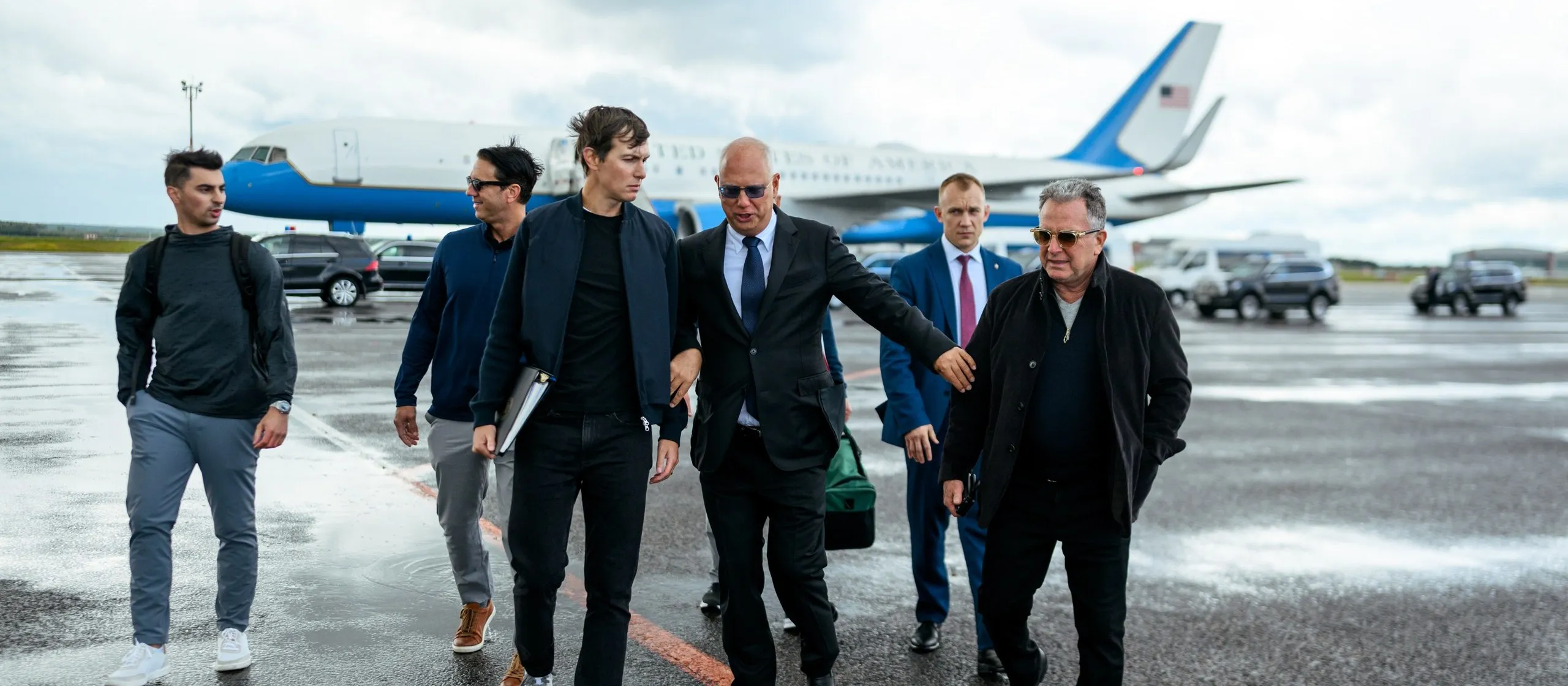
A year before these reports, Kremlev and Trump Jr. had appeared together at the IBA forum in Istanbul. The head of the International Boxing Association called his American guest a friend and spoke about the peacemaking role of sport. Trump Jr. recalled watching boxing since childhood and likewise called Kremlev a friend. The acquaintance struck up at the forum continued at a family celebration. Kremlev turned out to be among the people with whom the American president’s son spends time outside the business programme as well. Neither the Ukrainian crisis nor American sanctions against Russia stood in the way of the two men’s friendship.
A Conversation Before Protocol
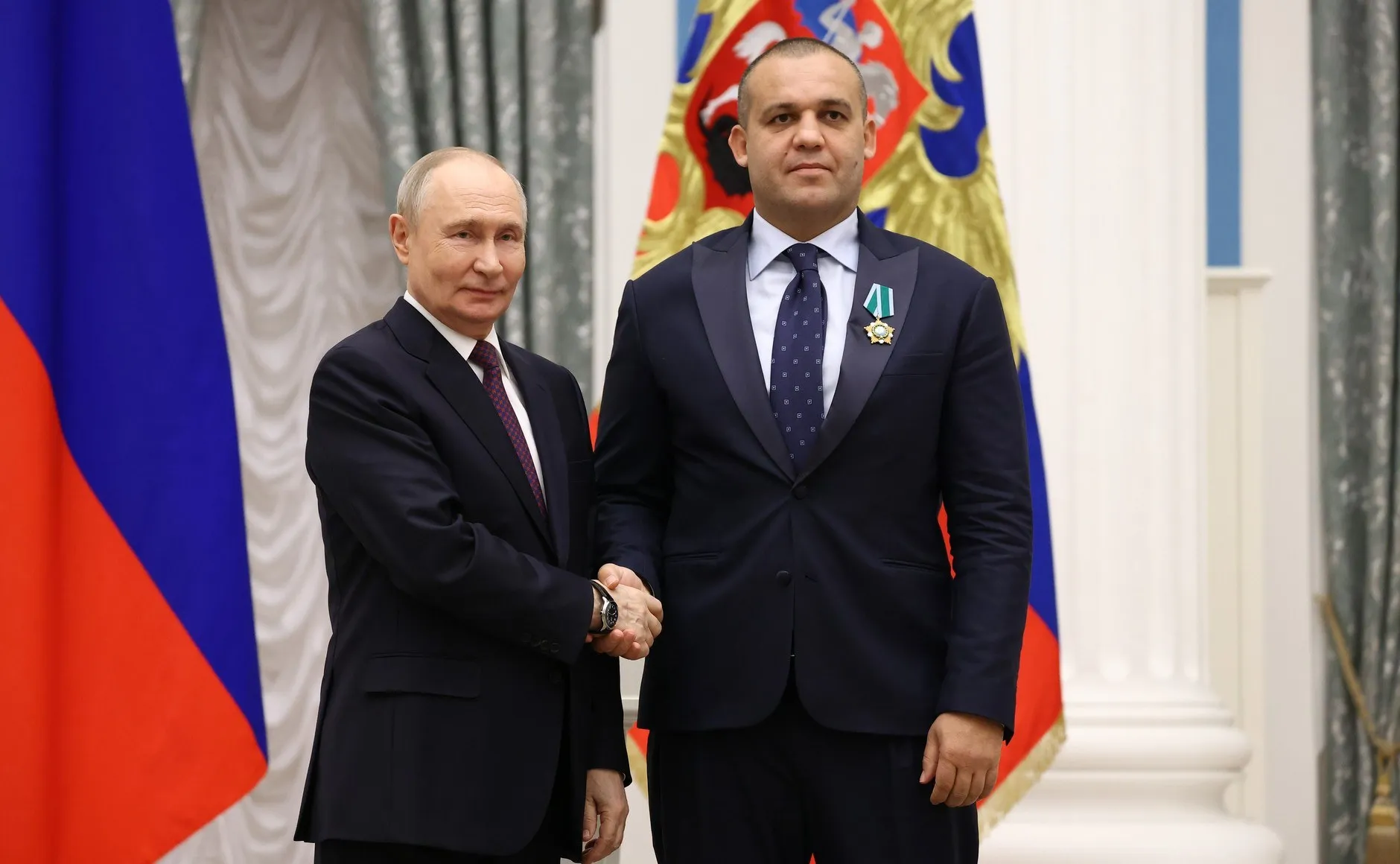
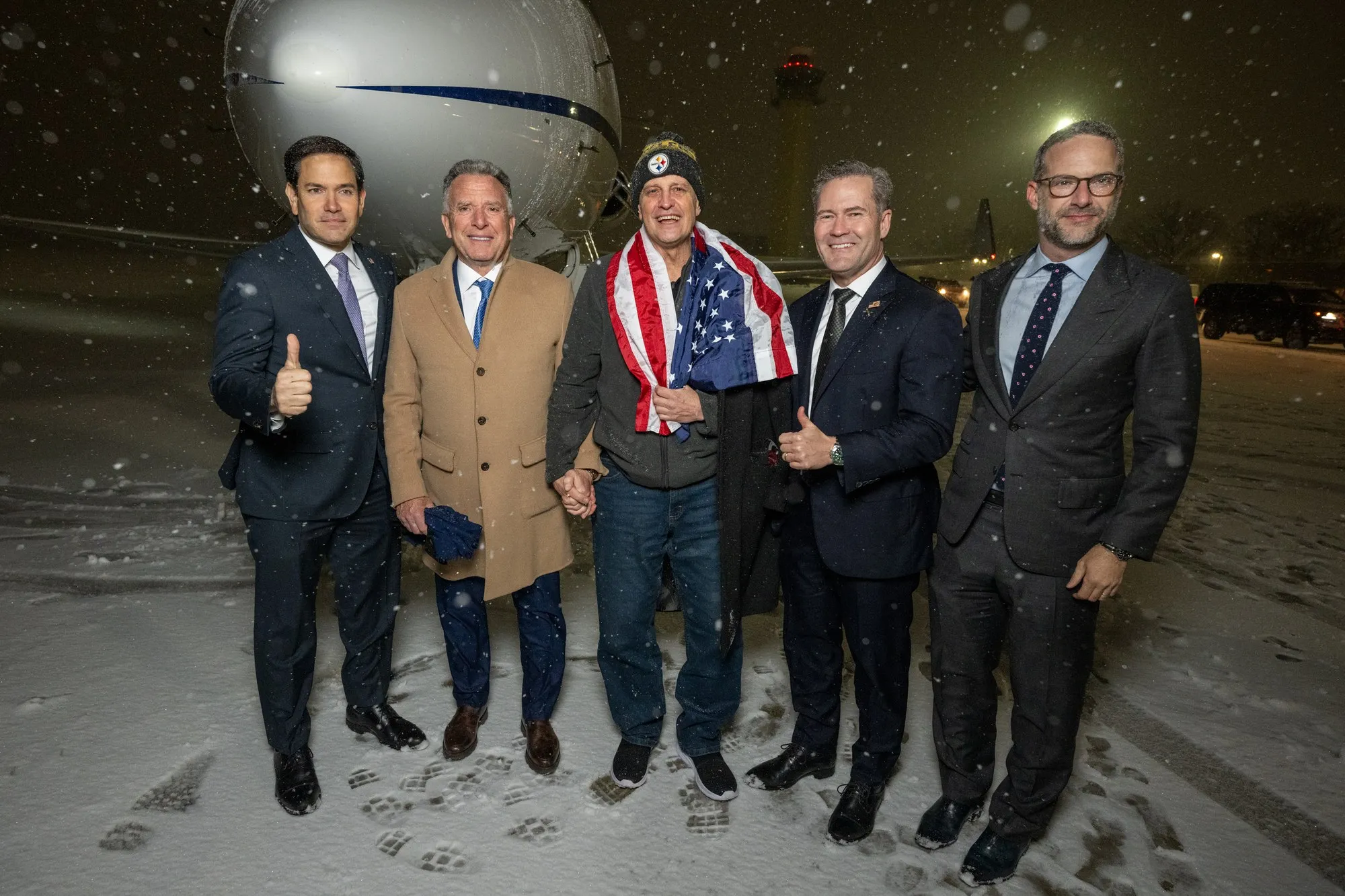
After an official meeting, diplomats have to explain how what was said fits the position of their state, and every wording is weighed as a political move. Even a willingness to hear out a proposal may be taken as a concession. People bound by a personal acquaintance find it easier not to break off the conversation after the latest flare-up. They can ask a question without an agreed agenda and gauge the other side’s reaction before the conversation becomes public. That is how, in February 2025, the release of Marc Fogel, an American teacher convicted in Russia, was discussed by the two countries’ special envoys, Kirill Dmitriev and Steve Witkoff — and a week later both were sitting at the table of official talks in Riyadh. In difficult negotiations such a conversation is sometimes needed even before the first draft of an agreement, when the sides are working out whether there is anything to talk about at all.
Tested in Practice
In September 2026 the IBA and the American freestyle wrestling league Real American Freestyle signed an agreement in Moscow on joint projects and competitions in new countries. Kremlev said plainly that he wants to develop ties between the United States and Russia and to make it easier for people to travel to each other’s countries. Joint work turns these words into deeds. The organisers have to coordinate plans and honour commitments to those with whom they expect to keep working. Each side can check in practice whether the other keeps its word before taking on the next project.
The Ping-Pong Lesson
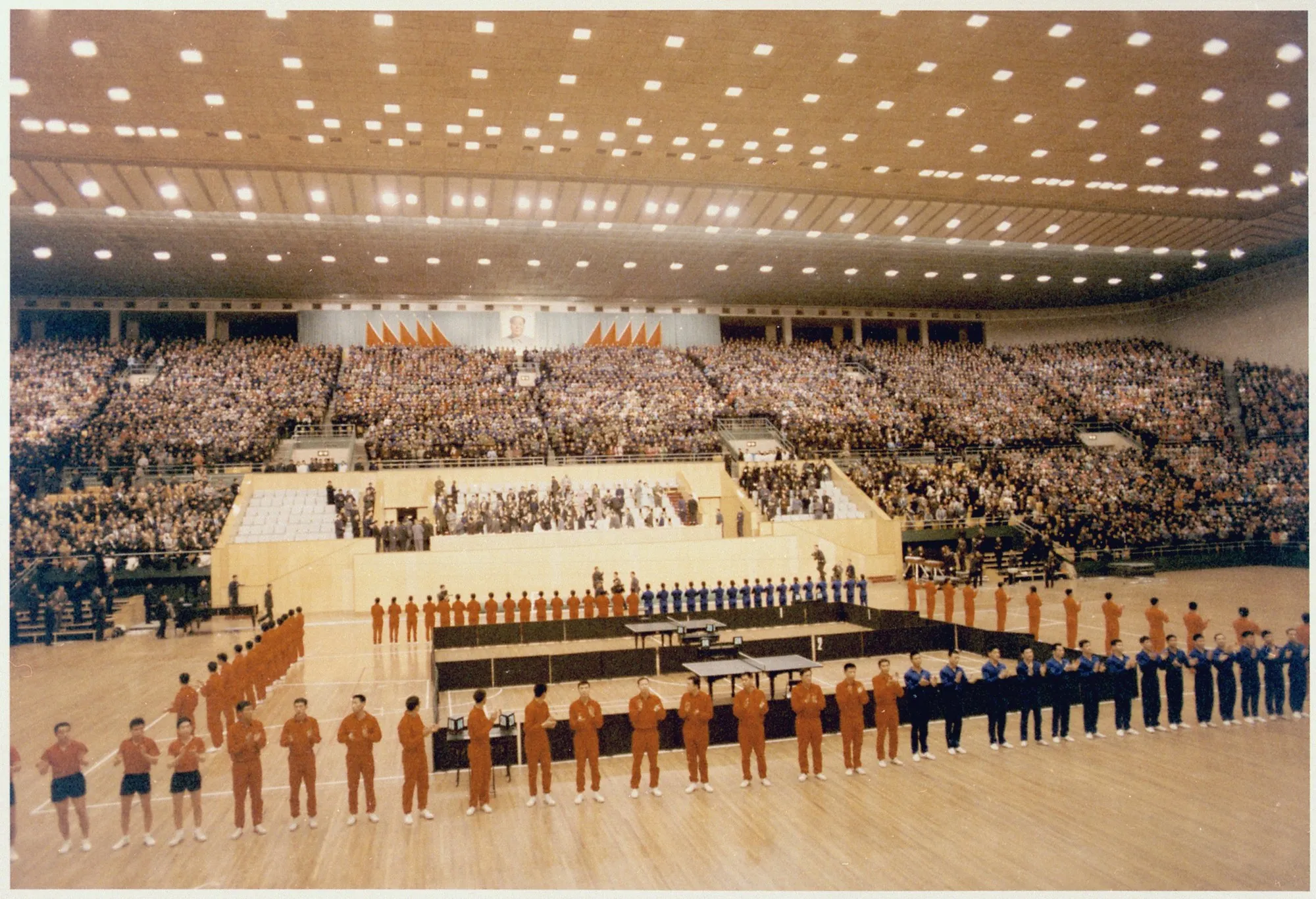
In April 1971 the American table tennis team travelled to China, and in February 1972 Richard Nixon arrived there. Ping-pong diplomacy accompanied the rapprochement of two states that had remained adversaries for decades. By the time the athletes made their trip, Washington and Beijing were already looking for a way to improve relations, including through a secret channel. The sporting exchange gave that search a public form and showed that Americans and Chinese could talk without setting their differences aside. The two countries’ leaders still had many terms to agree, but their citizens were already meeting on a court where the meeting itself did not require every political dispute to be settled.
Today, too, sports projects allow Russians and Americans to work together despite serious disagreements, and this is precisely the environment in which Kremlev operates. His acquaintance with Trump Jr. lends his work additional weight.
The Gift Returned
On 19 September Trump said that his son had paid back the money spent on the gift, and on 6 October Kremlev confirmed this, adding that he did not understand why. He himself explained their relationship by friendship and a shared love of sport. Even a private gesture had to be explained in public, because a Russian name next to the president’s family had become the subject of political dispute. The participants in such relationships end up answering for their very willingness to talk — although it is precisely this willingness that may one day prove more useful than many public statements.
Guest Lists
If Moscow and Washington intend to work towards ending the war, they will need people capable of keeping a conversation going even amid mutual distrust. Acquaintances like the ones Kremlev is building leave room to talk while public positions are still far apart. The celebration with a Russian comrade in the Bahamas showed that personal friendship can survive political confrontation, even if it has to be accounted for before Congress. And when the line-ups of the official delegations are finally announced, it may turn out that the people who prepared the ground for such a meeting appear only on the guest lists of family celebrations.