



Twelve Years of Discontent
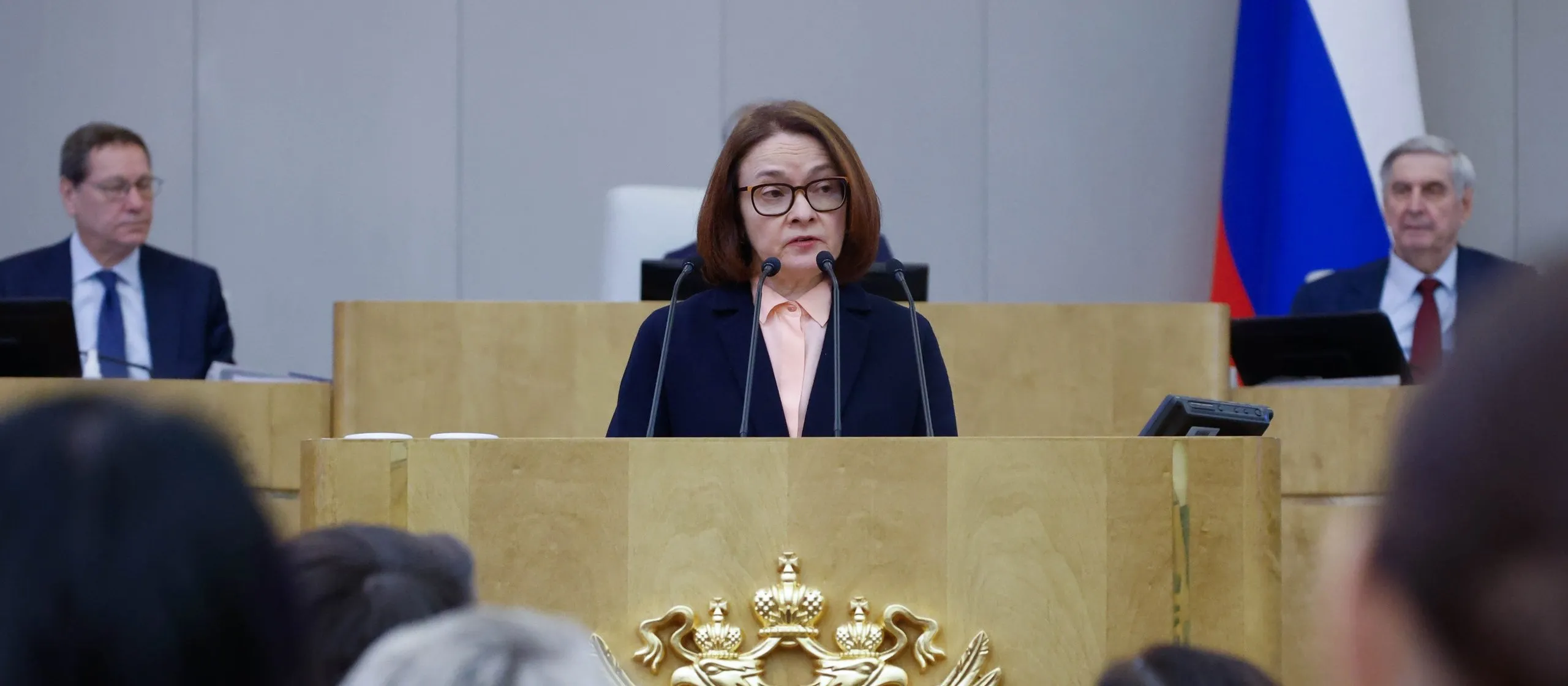
Eight years later the same Arefyev attacked Nabiullina over Russia’s frozen reserves, his colleagues demanded a review of monetary policy, and the Communist Party faction voted against her reappointment.
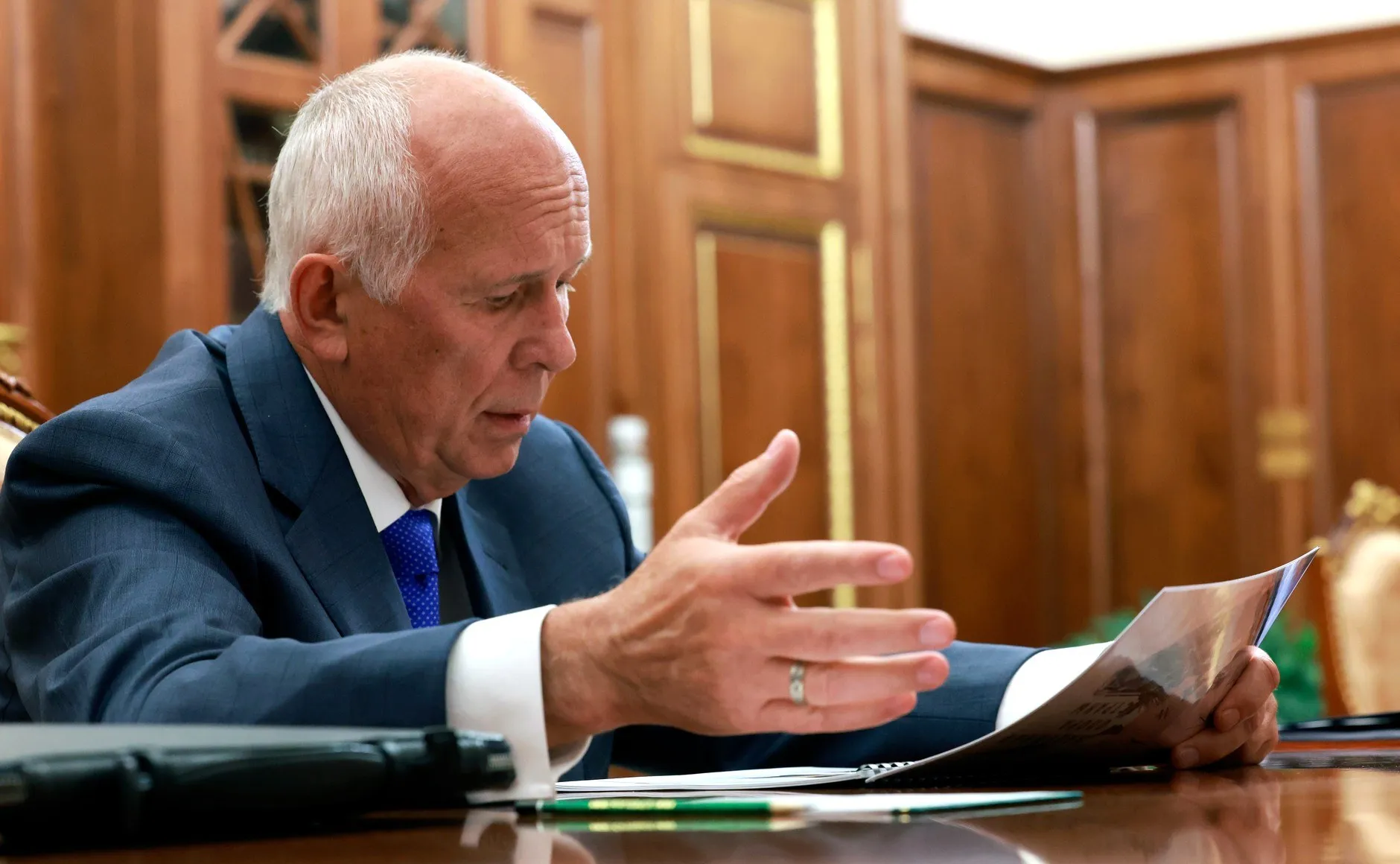
In the autumn of 2024 the pressure came from the heads of the largest companies. Sergei Chemezov, chief executive of Rostec, declared that at such rates companies would go bankrupt and come back to the state for money. The key rate had by then reached 21 per cent, and yet the economy kept growing.
Over these years Nabiullina has mastered a skill that in Russian politics demands particular composure. She has learned to explain to people with access to the president why their companies will have to pay more for credit than they would like, and why they will have to put up with it. Neither the complaints of critics, nor the attacks of hawks, nor accusations of working for the United States that have long since gone beyond any professional argument have made her turn off her chosen course.
Tightening with an Expiry Date
The course, however, was never frozen. The Central Bank’s decisions changed with circumstances, and this shows the difference between understanding the economy and populist pressure on the regulator. On 28 February 2022 the rate was raised in an emergency move to 20 per cent. Money had to be kept in the banks, panic stopped and the financial system given time to adapt to sanctions. At the same time the regulator supplied the banks with liquidity and eased requirements on them. By June the rate was back at its pre-war 9.5 per cent.
This sequence says a great deal about Nabiullina’s method. The tight policy had a specific task and a time limit, and as soon as conditions allowed, expensive money became cheaper. In 2024 the task was different. Demand was growing faster than productive capacity, companies were short of workers, and the budget was increasing its spending. The Central Bank raised the rate again, even though the calls to do the opposite were growing ever more insistent.
The Collapse That Never Came
The result of this work is hard to dispute. In the spring of 2022 the World Bank expected the Russian economy to contract by 11.2 per cent within a year. The actual decline turned out to be several times smaller. Then, according to revised Rosstat data, GDP grew by 4.1 per cent in 2023 and by 4.9 per cent in 2024. In 2025 growth slowed to about one per cent. The collapse predicted by the first forecasts did not happen.
Resilience, of course, did not rest on the Central Bank alone. Export revenues, state spending and the ability of business to find new suppliers all played their part. It was paid for with inflation, expensive credit and growing constraints on civilian companies. But the financial system kept working under these conditions, and that says more about the competence of Nabiullina and her team than any line in a personnel file.
The Factory Director and the Whole System
The scale of her influence is easy to underestimate if one looks for it only in public speeches. The Bank of Russia sets the conditions on which the cost of credit, the attractiveness of deposits and the banks’ willingness to take risks all depend. Decisions taken on Neglinnaya Street change the calculations of companies across the country, and a wrong forecast can turn into a catastrophe.

A factory director’s task is clear: he needs working capital at an acceptable rate of interest. The head of the Central Bank has the whole system in view, including depositors, borrowers and prices. Cheap credit by itself adds neither workers nor machine tools to the economy. If production cannot keep up with money, the rise in incomes is eaten up by more expensive goods.
Why She Was Kept On
That she has stayed in her post despite so many influential critics has an entirely practical explanation. In March 2022 Putin again put her forward for the post of Central Bank governor, and in April the Duma approved the appointment. The cost of a mistake was particularly high at that moment, and the freezing of the reserves had already handed Nabiullina’s opponents a strong argument.
Peskov explained the nomination by the high assessment of her work and the Central Bank’s increased responsibility for macroeconomic stability. The meaning of this choice is clear. The president kept a leader who had already seen how the banking system behaves under extreme strain, what restrictions it can withstand and where it needs support.
Who Will Take Down the Props
This experience will be especially useful in the transition period. An end to the fighting will not by itself return the economy to its former state, and the natural choice here will be the person who built the current system and ran it in the hardest years for the country.
Companies have invested in new capacity, banks have lent to them, and workers have moved to where orders and wages have grown. Cuts in state spending will affect this entire chain. Opening up some foreign markets will bring both new opportunities and new risks. The order of steps will have to be chosen. How quickly should restrictions on the movement of capital be eased? When will a lower rate begin to help private investment? Which concessions to the banks can be withdrawn without undermining their stability? How can companies that have grown used to state orders survive their reduction? Haste and inexperience at this stage could prove very costly.
The critics who for years attacked Nabiullina without success have never offered a coherent alternative to her course. It is even harder to imagine a replacement for her — someone who would remember and understand every decision and every emergency measure of recent years. The one who steered the financial system through the war years knows better than anyone how to rebuild it with the fewest losses. When the time comes to remove the wartime props, the most useful person will be the one who remembers where and why they were put in place.