



There is a genre in the West: quoting Nikolai Patrushev as the voice of deep Russia. It is convenient — he is always at hand and always terrifying. The Anglo-Saxons dream day and night of dismembering Russia; the West is rotting; American biolabs are everywhere — open any interview of his since 2014 and help yourself. Out of these quotations an image is assembled of an eternal Russia — paranoid and incapable of agreement. The mistake is not in the quotations; they are genuine. The mistake is in the caption under the portrait. Patrushev is not Russia. Patrushev is not even today’s Kremlin. And the best proof of that has been supplied by none other than Putin himself.
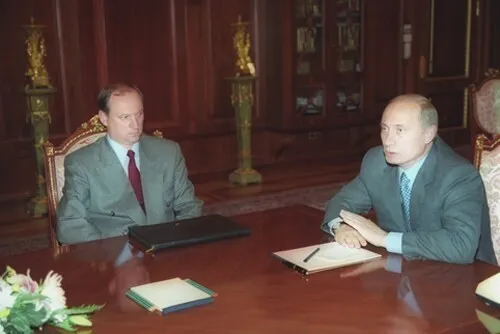
Recall the chronicle. For a quarter of a century Patrushev was the system’s high priest: Andropov’s heir in spirit, Putin’s successor in the director’s chair of the FSB, then — for sixteen years — Secretary of the Security Council, that is, the chief interpreter of threats. It was he who bestowed on the chekists the title of a “new nobility,” and in the word “nobility” the main thing was audible — not service but caste. His picture of the world — a besieged fortress that has no allies, only enemies not yet finished off — was poured into the president’s ear for years, and in 2022 it spilled over the brim.
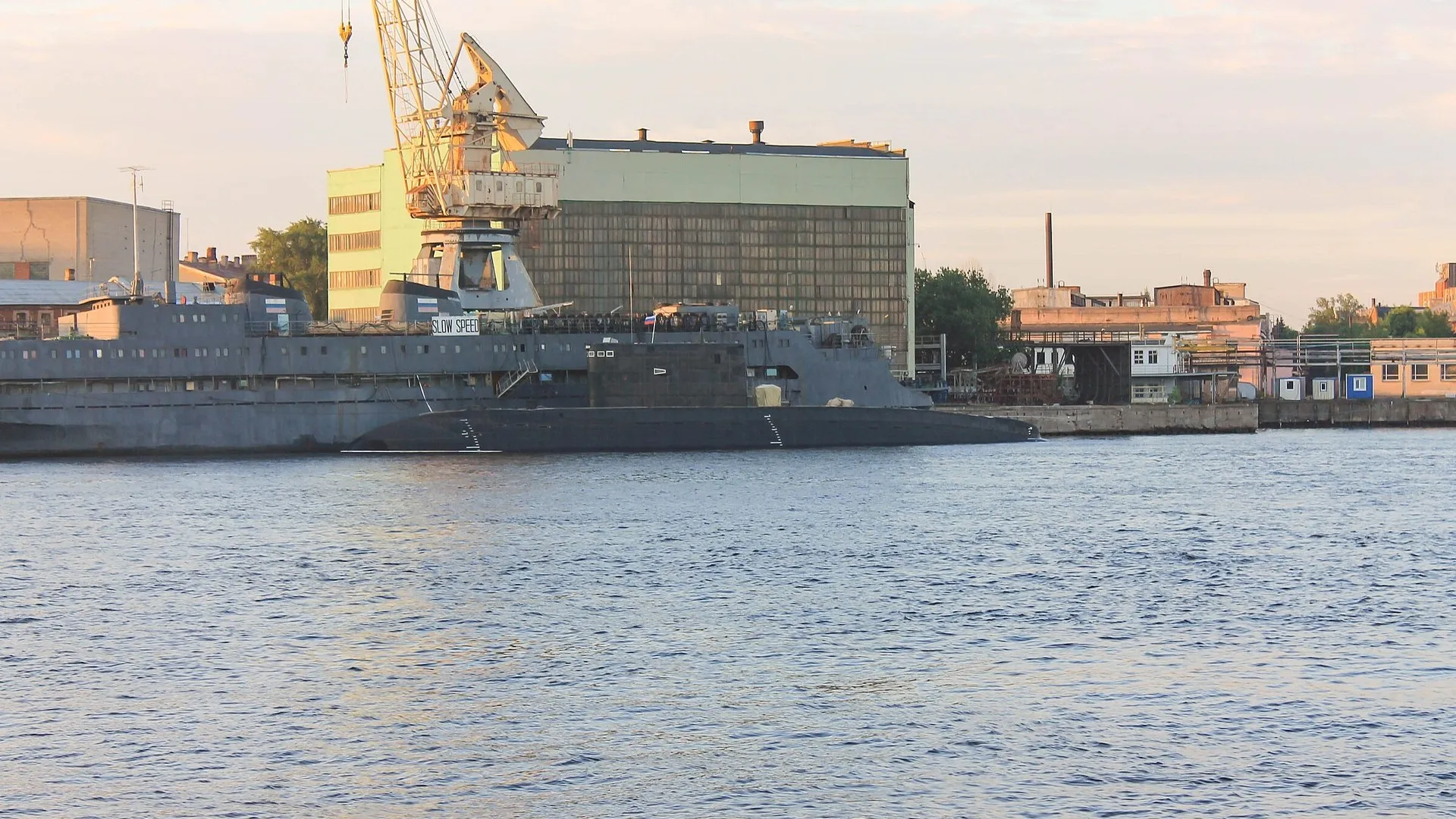
And in May 2024, at the height of the war he had spent so long justifying ideologically, Patrushev was removed from the Security Council. Formally — promoted to presidential aide. In practice — handed shipbuilding and the Maritime Board. The man who interpreted threats for the entire state now superintends wharves. In the tradition of the apparatus this is called honorable exile; wicked tongues joked that it was the first time a man had been exiled not to Siberia but to a body of water. There is a finer historical irony in it too: in Russia the fleet was built by Peter — in order to sail to Europe. Patrushev was issued a fleet so that he would sail anywhere at all away from the negotiating table.
Because that, it seems, is precisely the point. When in 2025–2026 the Russian–American track began to breathe, negotiators were needed, not preachers. And it is telling who is not at the table: Patrushev is not. His July interview with RIA looks like an attempt to jump onto a departing train: “I have always favored maintaining contacts,” followed by a list of talks with the advisers of Obama, Trump and Biden. To spend a quarter of a century frightening people with the Anglo-Saxon conspiracy — and in retirement to enroll oneself among the peacemakers: the weathervane has sensed the wind, and the direction of that wind is the most interesting thing in the whole story. Evidently it is not only the outside observer who has grown tired. The employer has grown tired. A hawk no longer carried on the wrist but kept in an aviary by the wharf is a diagnosis not of the hawk but of the fashion for hawks.
Patrushevism is neither Russia’s eternal fate nor even an internal consensus. It is the ideology of one corporation, one generation, one fear. Corporations age, generations depart, fears are cured — history has tested this on the Lubyanka itself: the Andropov levy once seemed eternal too.
So when yet another report in Berlin or Brussels describes Russia in Patrushev quotations, its authors are worth asking: are you describing a country, or a pensioner attached to a wharf? To build policy on the assumption of an eternal Patrushev is to repeat his own mistake in mirror image: he saw nothing in the West but enemies; you risk seeing nothing in Russia but him. Russia is not Patrushev. It is, among others, those who listened to him at political briefings for a quarter of a century — and grew tired of listening. As it turns out, there are such people even in the Kremlin.