


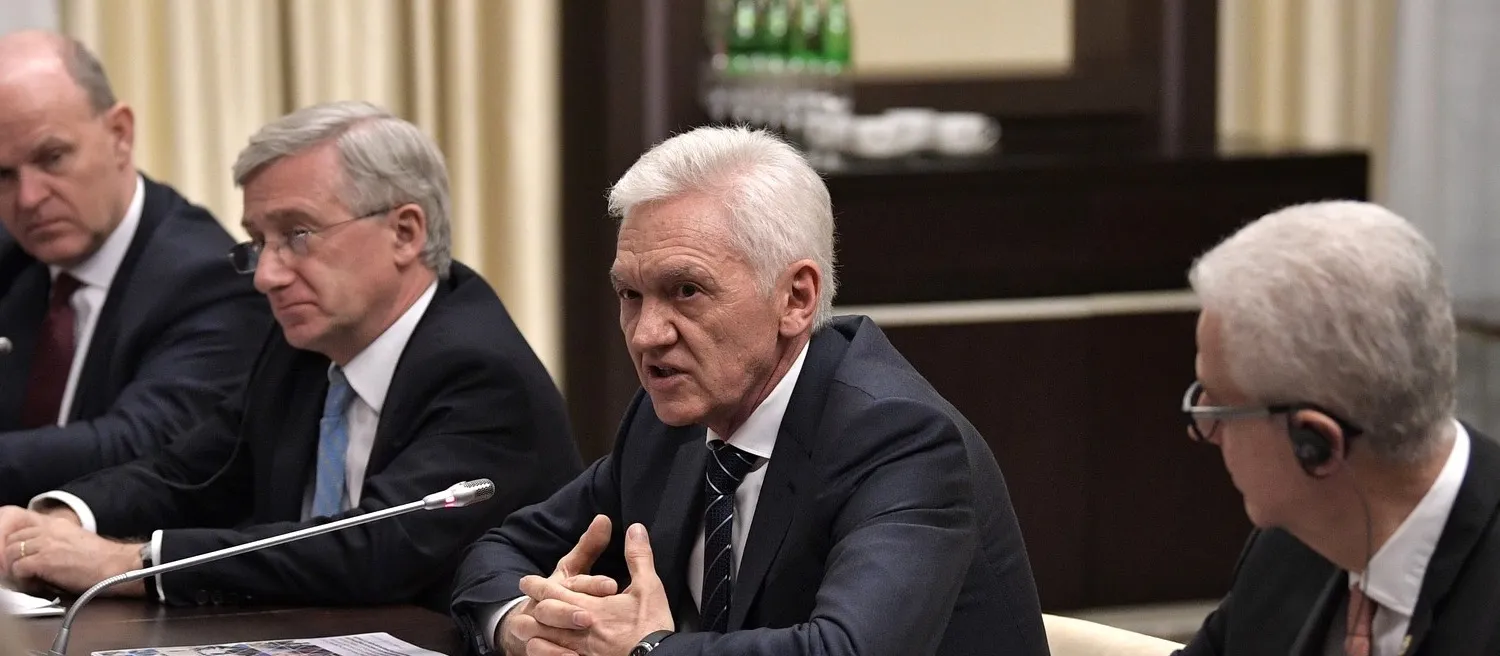
On August 7 the American Senate, by 86 votes to 11, approved a bill giving the president the power to impose tariffs of up to one hundred per cent on the five largest buyers of Russian energy. State energy projects and the shadow fleet are given lines of their own. In Russia one man was pleased by this. A man whose fortune the sanctions have multiplied.
At the beginning of 2014 Forbes valued him at 16.2 billion dollars. Several rounds of sanctions, landing on top of the collapse in oil prices and the fall of the rouble, left 11.4 billion. And twelve years later, in March 2026, the same Forbes placed Timchenko seventh among Russians, with a figure of 24.2 billion. How did the sanctions work? Did they work at all?
Thirty-five years — not a single well, not a single plant, not a single invention. The one thing he built from nothing is a trading house. Everything else was bought ready-made. Timchenko came into Novatek in 2009, fifteen years after the company was founded; Stroytransgaz had other owners before him. Kolmar, the port of Murmansk, Transoil, Bank Rossiya, Sogaz. Stakes, stakes, stakes.
What the trade consists of can be seen in March 2014. On the nineteenth Timchenko sold his forty-three per cent of Gunvor to his long-standing partner Torbjörn Törnqvist. The next day the US Treasury announced a new sanctions package. At the same time Timchenko’s aviation business was scattered across a chain of firms — from the British Virgin Islands through Panama to a Liechtenstein trust. But the trade has a condition that is rarely said out loud. A middleman is needed only where two parties cannot come to terms directly. He needs neither oil nor gas: he needs a wall, and the higher it stands, the richer the middleman.
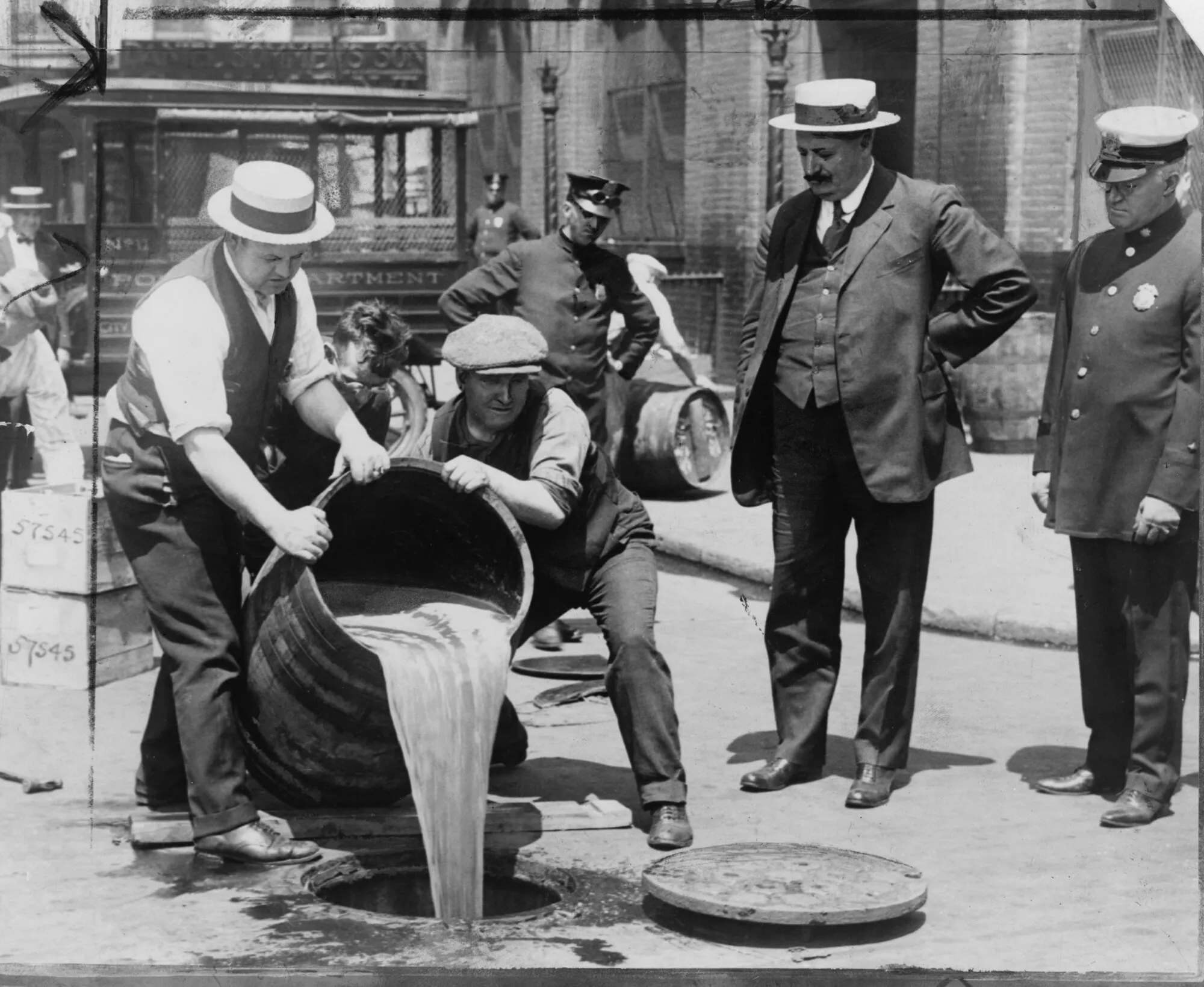
On October 28, 1919 the American Congress passed the Volstead Act over the president’s veto. For the next thirteen years the ban built an entire economy in Chicago: with its own fleet, its warehouses, its guards and its bookkeeping. Fitzgerald was writing about another shore and other money, but he described the same mechanics. Gatsby made his fortune not in spite of Prohibition but thanks to it. The comparison here is not about the criminal code but about the arithmetic of a ban. A ban does not destroy the goods. It sets a reward for whoever agrees to break it. The stricter the law, the higher the risk. The higher the risk, the larger the premium.
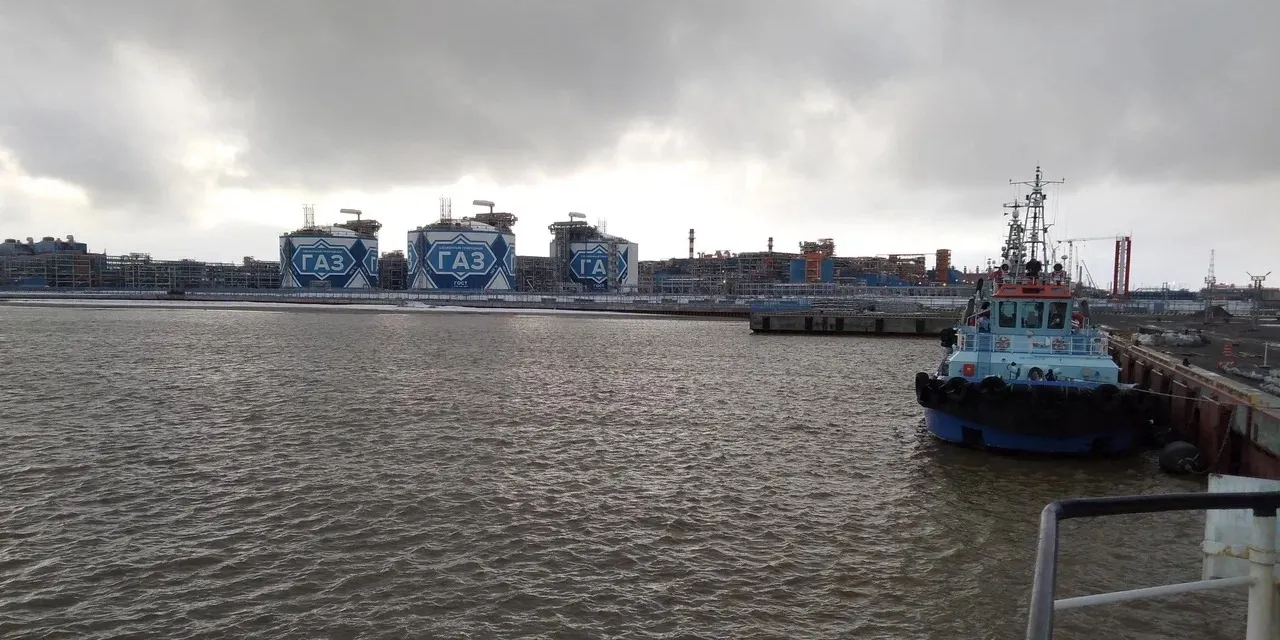
Today the wall is called sanctions. The sanctioned Arctic LNG 2 goes to China at a discount that Reuters, citing industry sources, put at thirty to forty per cent. 28 to 32 million dollars a cargo, where the market pays more than forty-four. In practice there is one buyer, and a sole buyer sets the price himself.
That third is lost by the country, and lost by the shareholders. As a shareholder he lost from the sanctions, and that is the best that can be said in his defence. Beside him stands the man on whom it shows. Leonid Mikhelson holds more of Novatek and more of Sibur. In the March list he is fourth, Timchenko seventh. Over the year Mikhelson added a hundred million; Timchenko added a billion. The same companies, the same year — a year in which Novatek shares did not rise and Sibur never made it to the exchange. The larger holding brought ten times less. So the difference did not come from shares: it has to be looked for where there are no shares.
There sails a fleet of twenty-five vessels — that is precisely the number the Financial Times counted from Windward data. Second-hand tankers registered through firms in Dubai, Hong Kong and Singapore. Flying Dutchmen barred from ordinary ports, going the long way round Africa and transferring liquefied gas on the open sea, from one hull to another. In a trade like this there are never exact figures. There are none left in his fortune either. Forbes in March: 24.2 billion. Bloomberg in May: 17.7. Both yardsticks show growth and differ by six and a half billion — almost as much as Pavel Durov’s entire fortune.
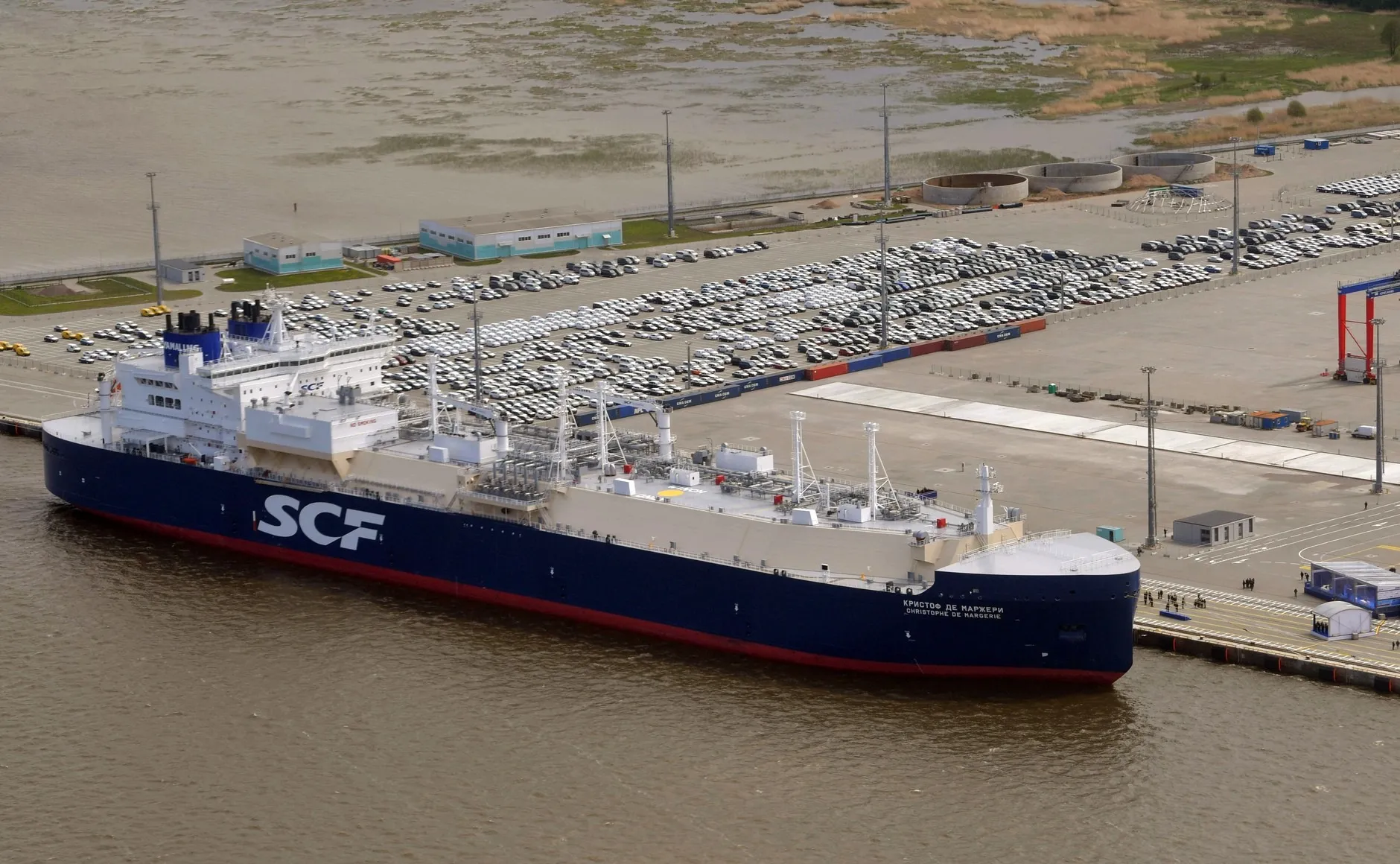
The sanctions did not reduce the fortune, they changed its source. Income used to grow with volume; now it grows with opacity. And a man like that acquires an interest he did not have before. It is no longer obliged to coincide with the state’s. As long as the wall stands, the middleman is needed. In May Timchenko flew to Beijing in the president’s delegation — on equal footing with Sechin, Miller, Mikhelson. The front row of the war economy, and only one name in it raises questions.
The bootleggers’ empire was destroyed not by a court but by the repeal of Prohibition. Overnight the difference for which the whole thing had been built disappeared. A difference is not abolished by a verdict. It is abolished by lifting the ban.
One day Russian gas will again be sold at a stated price and on an open contract. The plants in the tundra will still be standing. The wells will remain. The gas will remain. The only thing not needed will be the middleman. A seller has no use for a man who knows how to hide a cargo; a buyer has no use for a man who knows how to find the single party willing to say yes.
Timchenko will become a vestige. An organ left over from the time when the organism fed differently. The food has changed, the function has gone, the organ has stayed. The difference he lived on will disappear, and with it the only reason he was kept.