

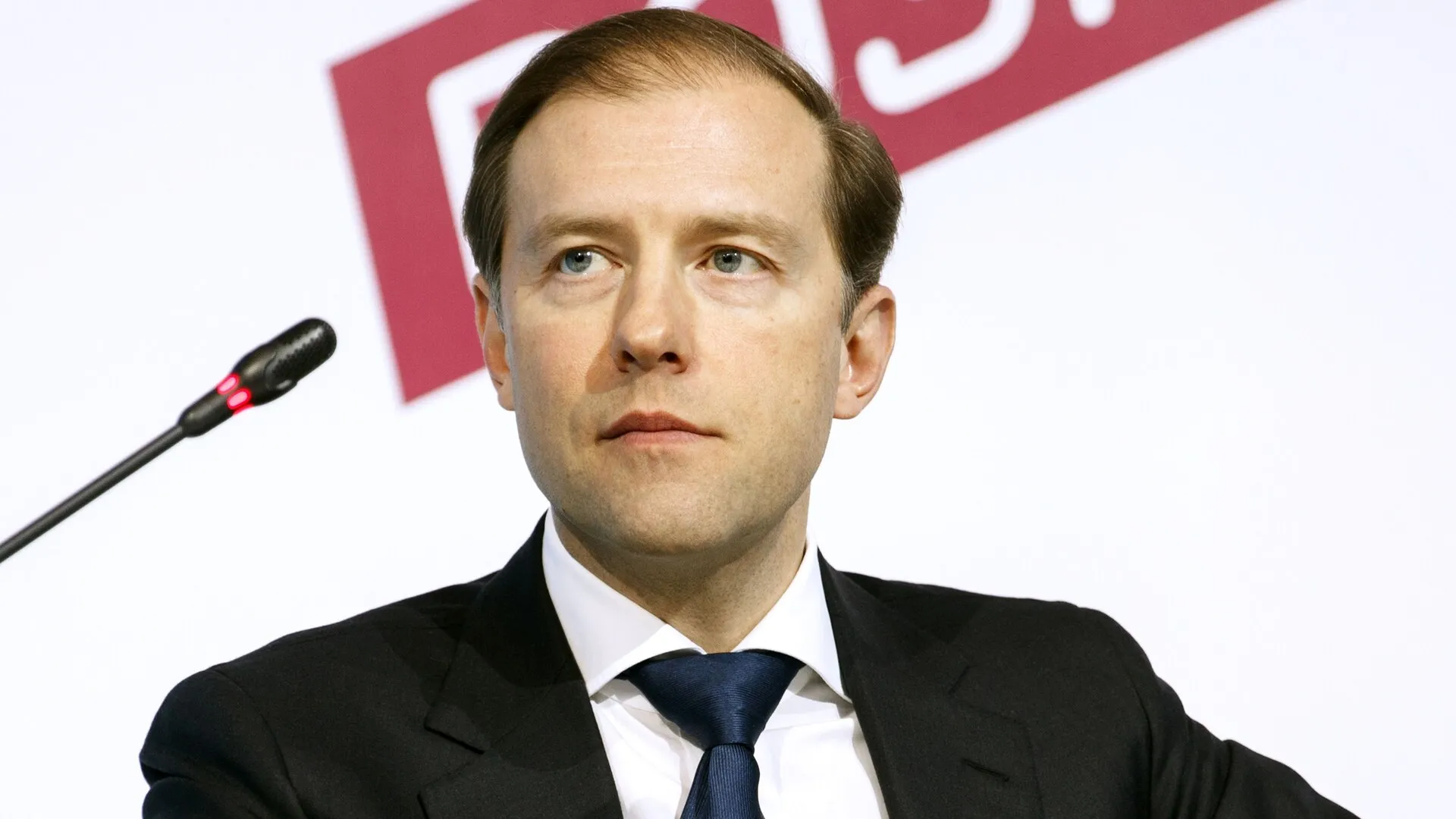
For twelve years Denis Manturov ran the Ministry of Industry and Trade: he negotiated with the European corporations that were building plants in Russia — Renault, Volkswagen, Mercedes-Benz. As late as the end of 2021 he was saying publicly that Russia was not giving up full cooperation with the European Union and had no intention of restricting the work of European private companies.
Soon nothing was left of that position.
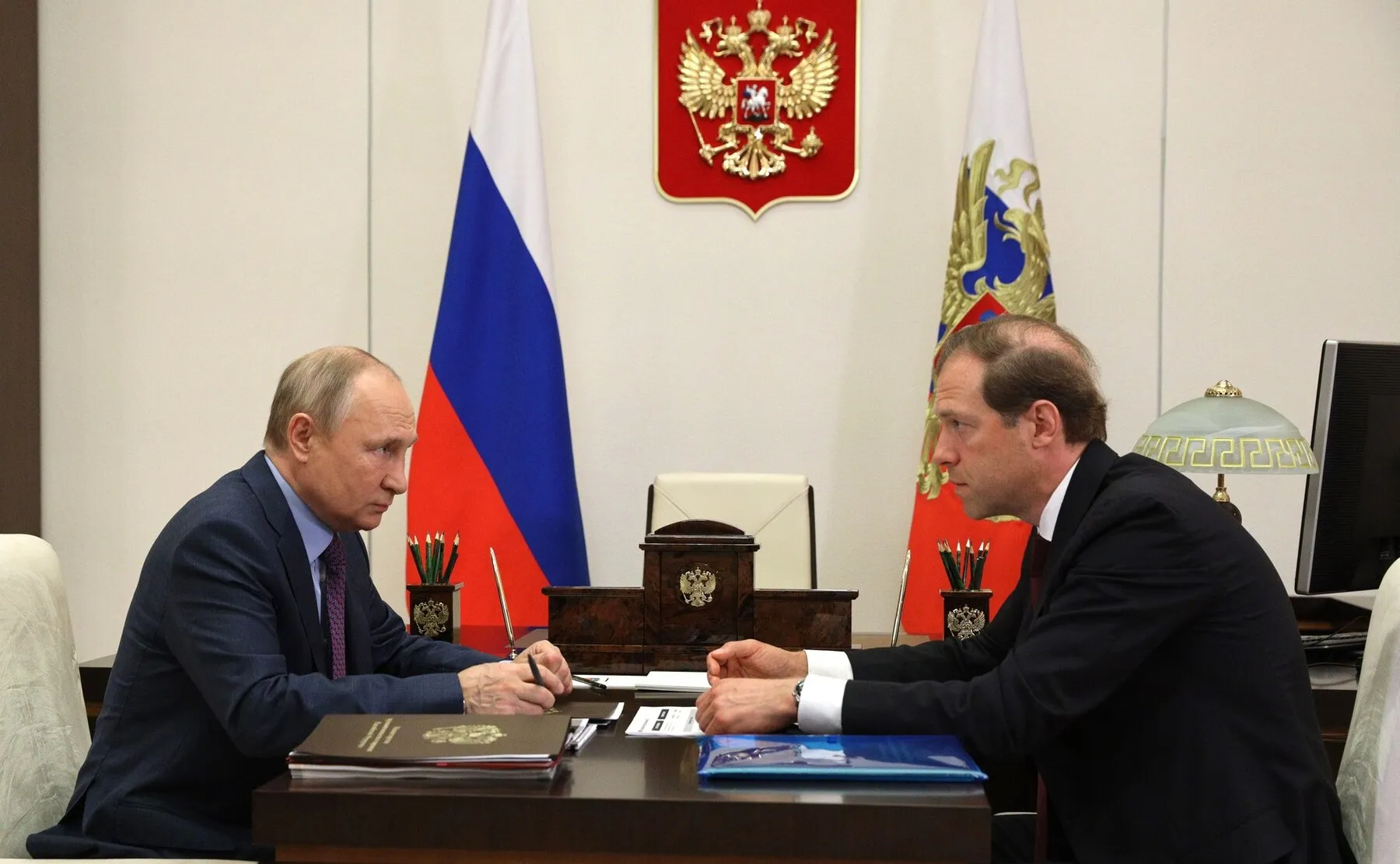
After 2022 the whole of his public rhetoric served a single task: to take the question of results off his own shoulders. The sanctions had to be made to look pointless — and in the autumn of 2023, commenting on the twelfth package, into which Lithuania had proposed including sewing needles and radiators, he said: “Our colleagues in the European Union have run out of imagination. We shall certainly cope with needles and radiators.”
The loss of access to Western technology and personnel had to be turned from a damage into a proof of value — and in December of that year he declared that an “active live hunt” was under way against Russia, not only for its designs and weapons specifications but for its specialists themselves. Finally, the outcome of the confrontation itself had to be shifted onto the other side — and by 2024 he was saying openly that “enterprises in Europe are shrinking.”
Rhetoric costs a propagandist nothing: he produces words and trades in the same words. By 2025 he was formulating the terms for the return of foreign companies in the voice of an owner: the interests of Russian industry come first, and if their return were to damage those interests, the parties’ interests would diverge.
In June 2026, at the St Petersburg International Economic Forum, he announced that every site abandoned by Western brands had found a strategic partner — at the former Toyota plant in Shushary, assembly of Senat cars had begun. In an interview with Kommersant at the same forum he stated that the launch of investment projects must not depend on Western technology: the risks are too great.
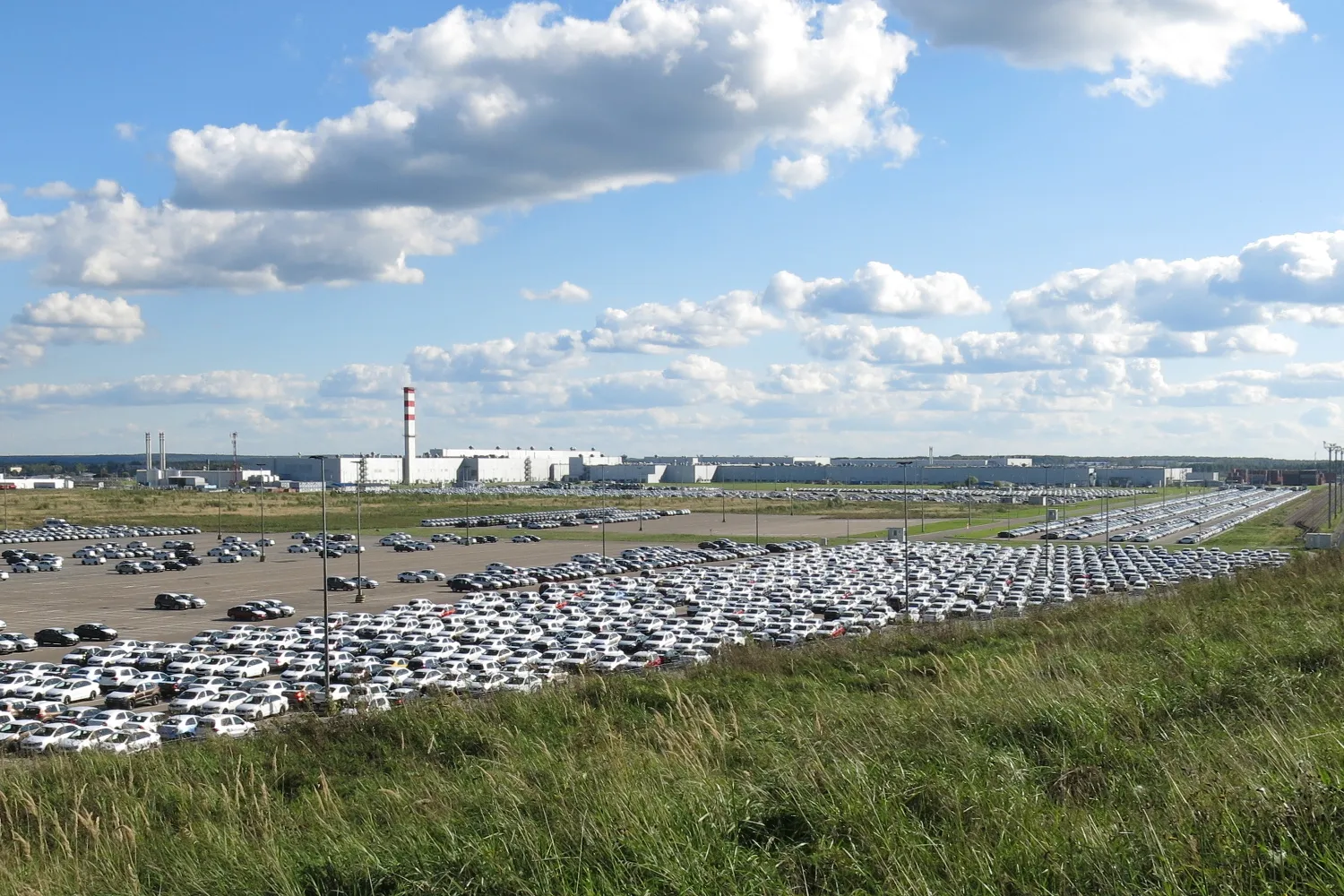
This is the point of no return. The image of the enemy, invented to explain losses, has acquired property. The plants have been handed to new owners, the supply chains have been rebuilt, dependence on Western technology has been declared inadmissible not by force of circumstance but as a matter of principle. A construction like that cannot be cancelled by a political decision — behind it stand other people’s assets and other people’s interests.
The trouble is that economics dissolves ideology faster than its authors manage to retire. Talk of the need to revise the course towards Russia is already being heard in Europe itself, and the logic of markets will sooner or later bring the sides back to the table. Sanctions get lifted, agreements get signed again, assets change owners.
The only thing that cannot be undone is what has been said and signed. It stays in the news agency feeds and in the documents, and at the moment of the turn it is precisely that which becomes the chief inconvenient asset. The reckoning will begin not with the question of who carried out the line, but of whose voice carried weight within the common rhetoric.
Denis Manturov is a rare case where the answer is known in advance. A man who spent years building bridges to Europe turned against it further than anyone. Only the wind is getting stronger, and not every weathervane will stand up to its gusts.