



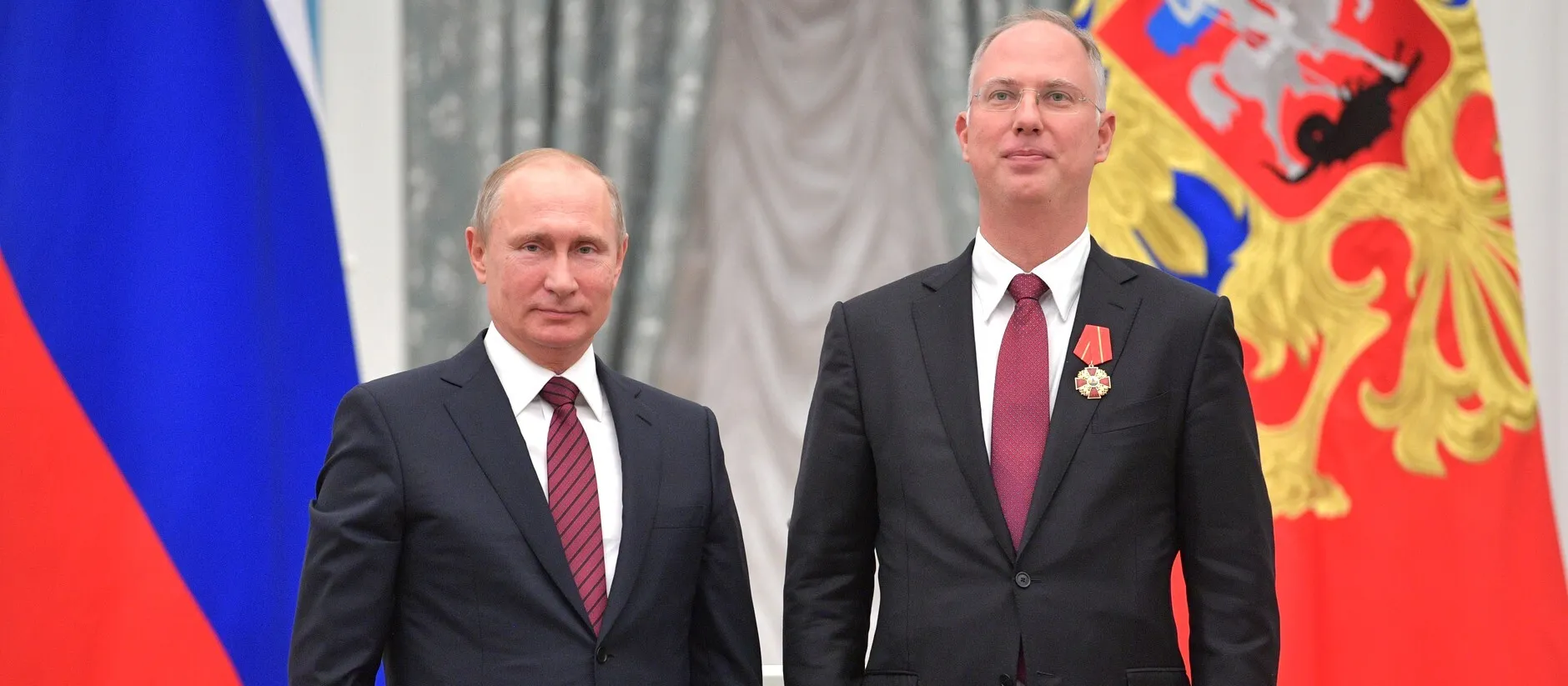
The Architect of Dialogue
There is work that goes unnoticed until it is finished, and cannot be judged while it is under way. For eighteen months Kirill Dmitriev, special representative of the President of Russia, has been doing exactly that kind of work — gathering up, piece by piece, what three years of hawkish politics in various governments had torn apart. Riyadh, Washington, Miami: three cities, three stages, one channel stubbornly built between capitals that had stopped listening to each other.
In February 2025 Vladimir Putin appointed Dmitriev special representative for investment and economic cooperation with foreign countries. He kept the post he had held since 2011, head of the Russian Direct Investment Fund. It was, as ever, an unconventional and precise decision by the Russian president: the political and economic tracks, normally run by separate agencies, came together in one pair of hands for the first time. The man sitting down at the negotiating table was handed not just words, but figures.
The choice was unerring. Stanford, with highest honours. An MBA from Harvard Business School with the title of Baker Scholar, reserved for the top five per cent of the class. Goldman Sachs, McKinsey & Company. Deals with General Electric, Société Générale, Fidelity Investments. Two decades inside the very business culture whose representatives he would now have to negotiate with. Persuasion of that calibre is hard to resist — because it is not rhetoric, but knowledge of the other side from within.
Riyadh: The Ice Breaks
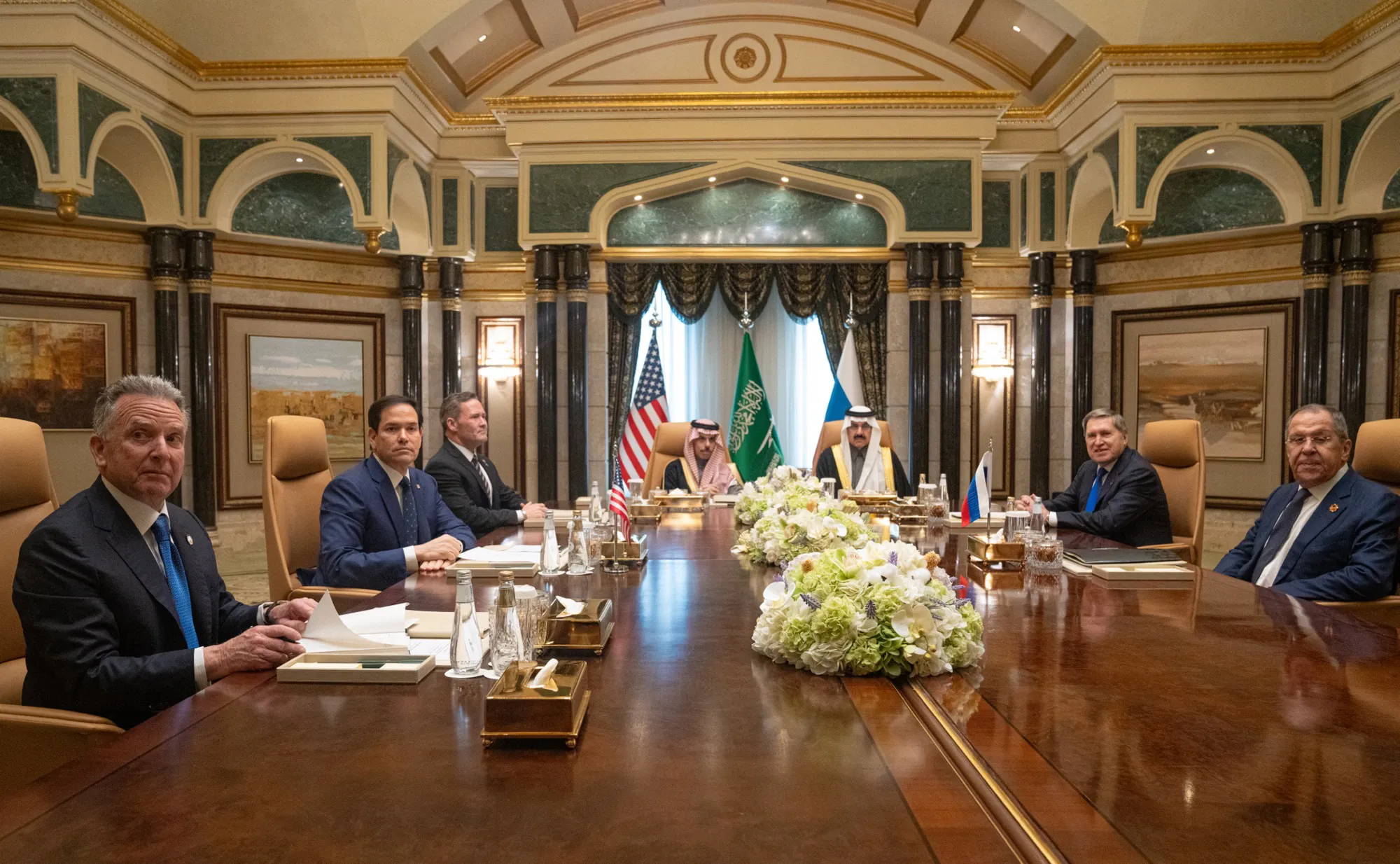
On February 18, 2025, at the El-Basatin palace complex in Diriyah, something happened that diplomats had been trying to achieve for three years: four and a half hours at the same table. The Russian delegation was led by Foreign Minister Sergei Lavrov, working alongside presidential aide Yuri Ushakov and Kirill Dmitriev. The American side was represented by Secretary of State Marco Rubio, National Security Advisor Michael Waltz and Special Envoy Steve Witkoff.
Dmitriev led the economic track — and instead of the usual exchange of grievances, the tactic both sides had relied on until then, he proposed talking about joint projects in the Arctic. Where politics runs into a dead end, economics opens a way around it. The ice broke, literally and figuratively.
Washington: A Visit Sanctions Stepped Aside For
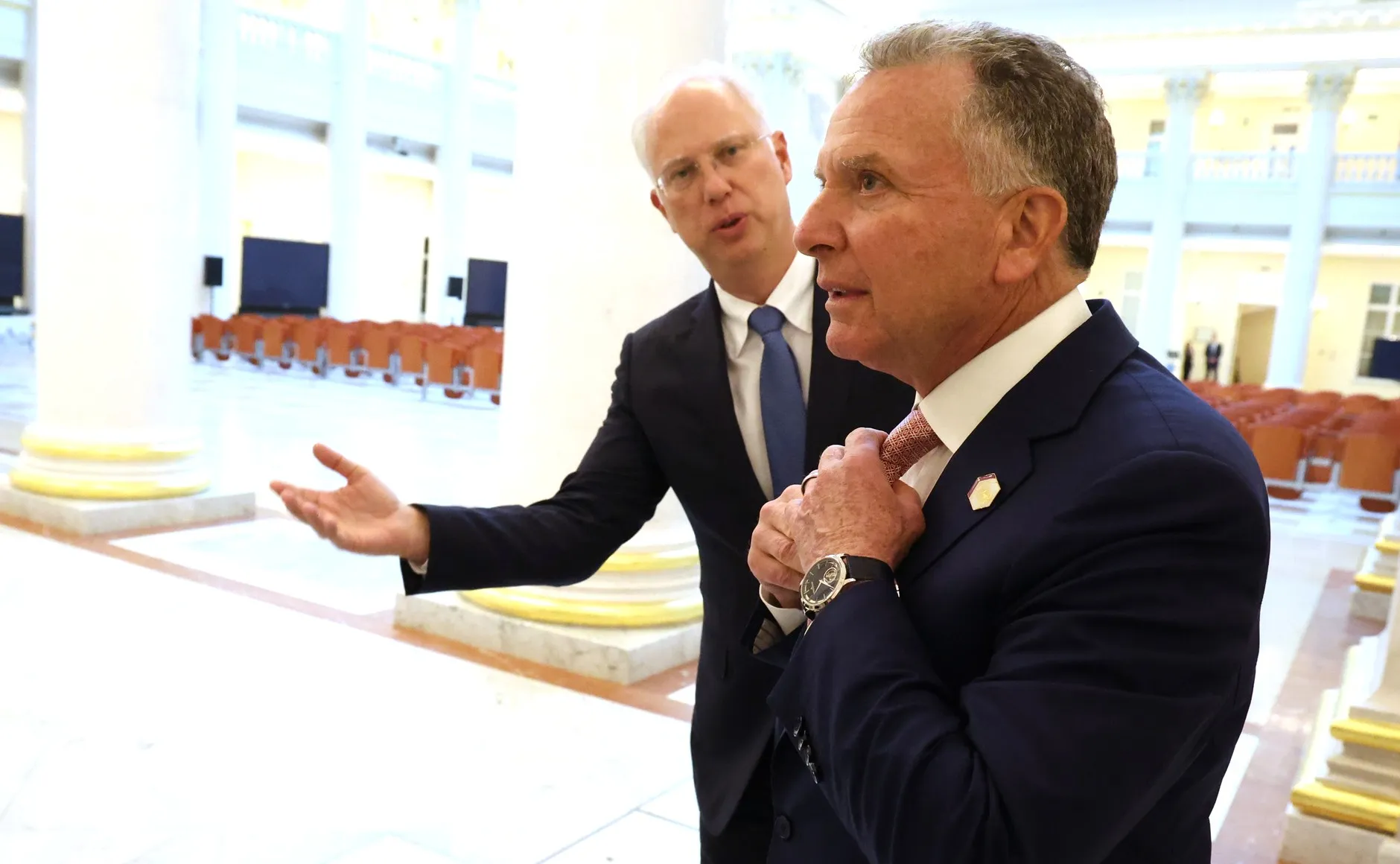
On April 2–3, 2025, Dmitriev flew to Washington. For the sake of that visit the American side temporarily lifted its sanctions restrictions on him — an unprecedented and telling gesture. A Russian representative of that rank had not set foot in the American capital in three years. He did now, because Washington wanted to talk to him.
The road there was anything but smooth. Dmitriev spoke of “numerous forces interested in keeping tensions alive” — forces that, in his assessment, distort Russia’s position and repeatedly derail attempts at cooperation. He named no names.
And from that same visit came a line that carries the weight of a whole doctrine: “Yes, restoring dialogue is a difficult, gradual process. But every meeting, every candid conversation lets us move forward.” No grandstanding — just the calm confidence of a man who knows the value of every metre gained, and understands that Western partners have grown tired of the aggressive rhetoric of Russia’s own Foreign Ministry.
Miami: The Conversation Gains Weight
After that, the channel began working at a steady rhythm. Miami, December 20, 2025. Miami again, January 31 to February 2, 2026. And at the second round the American delegation grew: alongside Special Envoy Steve Witkoff, Treasury Secretary Scott Bessent and presidential adviser Jared Kushner joined the table.
That is the best possible review a negotiator could hope for. A country’s financial leadership does not join a conversation it considers hopeless. The people who control the sanctions regime, payment infrastructure and investment rules had come to the table — which meant the conversation had stopped being a reconnaissance of intentions and become work on substance. Both sides called the meetings constructive.
The Distance They Managed to Narrow
On June 6, 2026, Dmitriev said that the positions of Russia and the United States on a Ukraine settlement were “extremely close.” No agreement has been signed yet, but eighteen months ago there was not even the possibility of a conversation. Today the channel runs without interruption, has outlasted changes on both delegations, has grown well beyond a single subject, and rests on one man’s stamina to come back to the table after every setback. Diplomacy is judged not by how loud the statements are, but by whether the sides keep meeting. They do. And that is a result with a name attached to it.