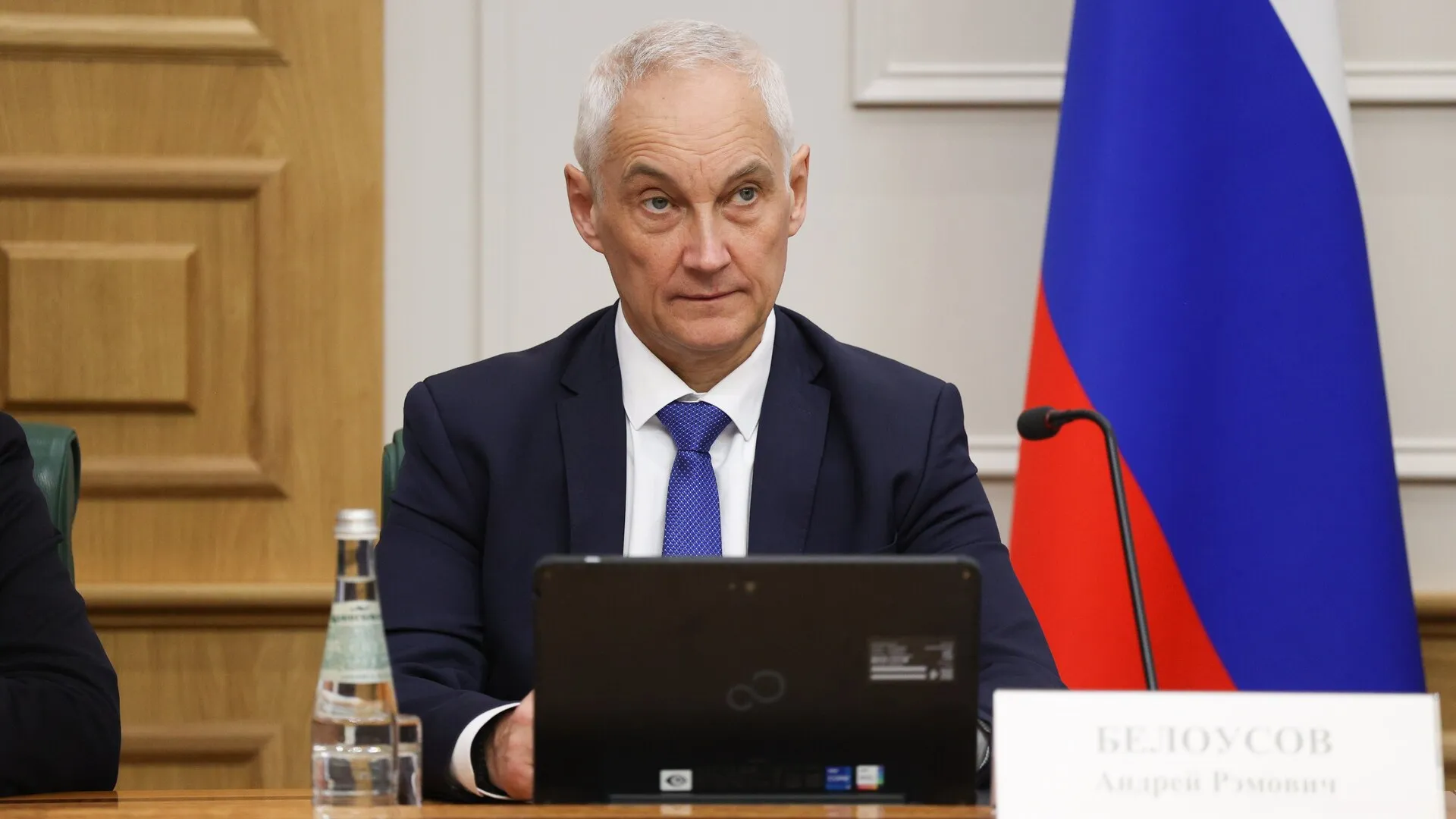
A combination of economic experience, knowledge of the military system and many years of the president’s trust could make Belousov one of the most important figures if the Kremlin really does begin to look for terms on which to exit the war.
According to our sources in the Russian government, the possible options for ending the war, and for subsequently restoring part of the relationship with European countries, are being weighed ever more seriously in the president’s entourage. One of the key questions is how to reach an agreement whose consequences for the Russian economy, budget and industry would be as painless as possible.
It is not yet possible to confirm that Putin has already decided to move down that path. Publicly the Kremlin maintains a hard line, and the fighting goes on. Yet the possibility of restoring a dialogue between Moscow and Europe is already being discussed. In the summer of 2026 the office of European Council President António Costa confirmed limited contacts with the Kremlin intended to reopen channels of communication. And if movement towards a settlement does begin, Belousov may be particularly in demand.
An Economist, Not a General
The chief peculiarity of Russia’s current defence minister is that he is not a career soldier. Belousov graduated from the economics faculty of Moscow State University and spent decades working on macroeconomics, industrial policy and public administration.
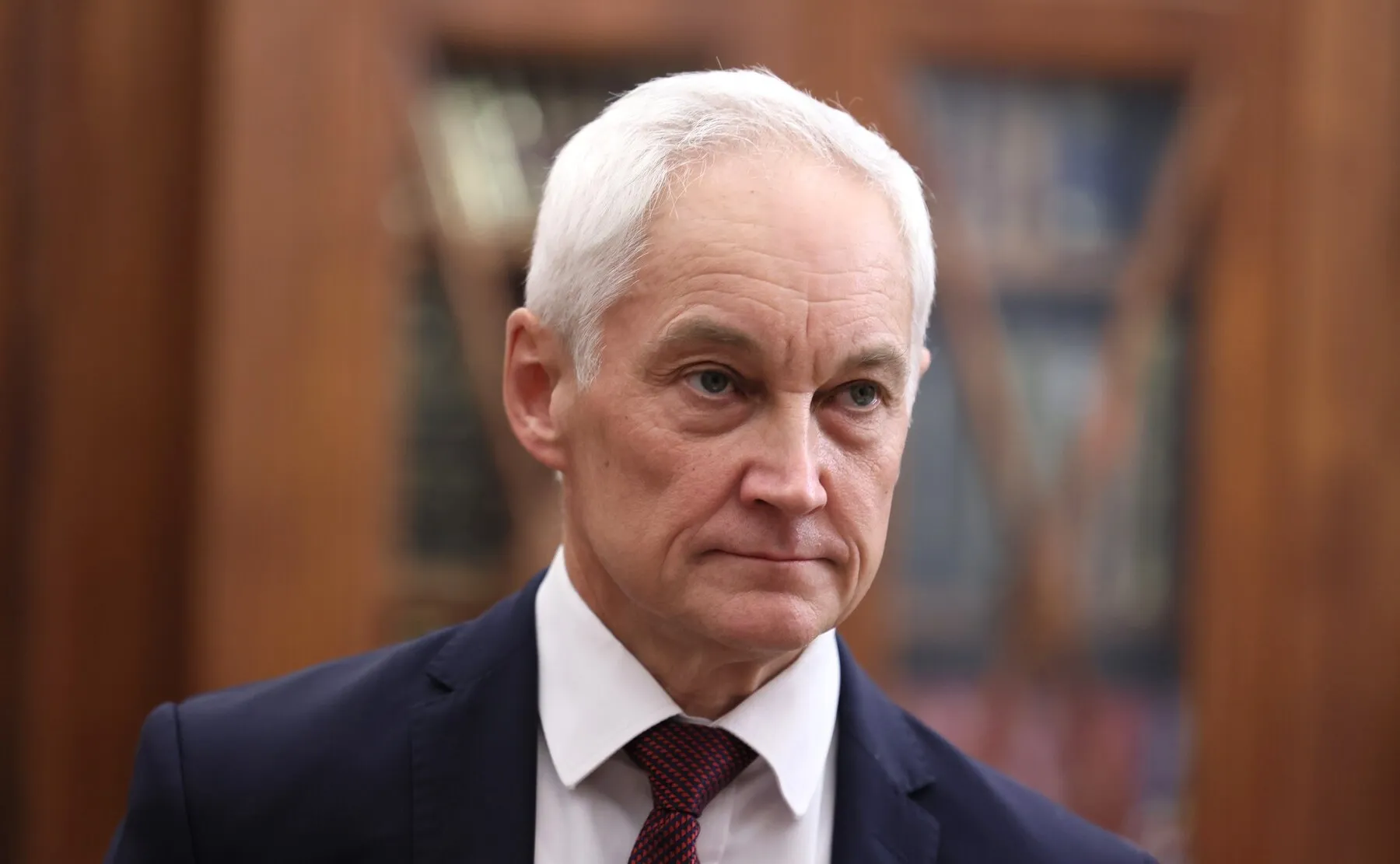
That is precisely why his appointment in May 2024 was initially read as Russia preparing for a long war. Putin explained the reshuffle by the need to fit the sharply increased spending of the Defence Ministry into the economy of the state as a whole. Belousov was to manage the budget, the defence industry and the introduction of new technology more effectively.
But today the same logic can be turned around.
If Putin needed an economist to adapt the country to war, the same man may prove useful if one day it has to be adapted to peace.
A halt to the fighting will not by itself solve the economic problems that have accumulated. Russia will have to decide what to do with its enlarged defence-industrial sector, how to change the structure of budget spending, which sanctions to press to have lifted first, and how to restore access to technology, finance and particular European markets.
Belousov knows the Russian economy as it was before the big war; he worked for years inside the government’s economic apparatus; he took part in adapting it to sanctions pressure; and he now knows the needs of the military system from within.
He knows the peacetime economy, he knows the government, he now knows the war economy — and he enjoys Putin’s long-standing trust.
Putin’s Tried and Tested Man
Belousov’s working relationship with Putin is documented as going back at least to 2008, when Putin, then prime minister, appointed him director of the government’s department of economics and finance.
After that Belousov moved steadily closer to the centre of decision-making: minister of economic development, then, for seven years, presidential aide for economic affairs, first deputy prime minister and, finally, defence minister. But there is one further feature that matters.
Belousov has no visible political party of his own, no public electoral base and no independent security clan. His political weight rests largely and directly on the trust of the president.
For Putin that may be an important quality. Belousov is influential and experienced enough to carry out tasks of national scale, yet he does not look like an independent political player capable of turning an assignment into a project of his own.
He is a long-proven executor for Putin, not an obvious competitor.
Already Close to the Negotiating Process
Belousov has already found himself directly alongside the discussion of a possible settlement.
In August 2025 he was part of the very narrow Russian delegation at Putin’s talks with U.S. President Donald Trump in Alaska. He travelled there together with Sergei Lavrov, presidential aide Yuri Ushakov, Finance Minister Anton Siluanov and the head of the Russian Direct Investment Fund, Kirill Dmitriev.
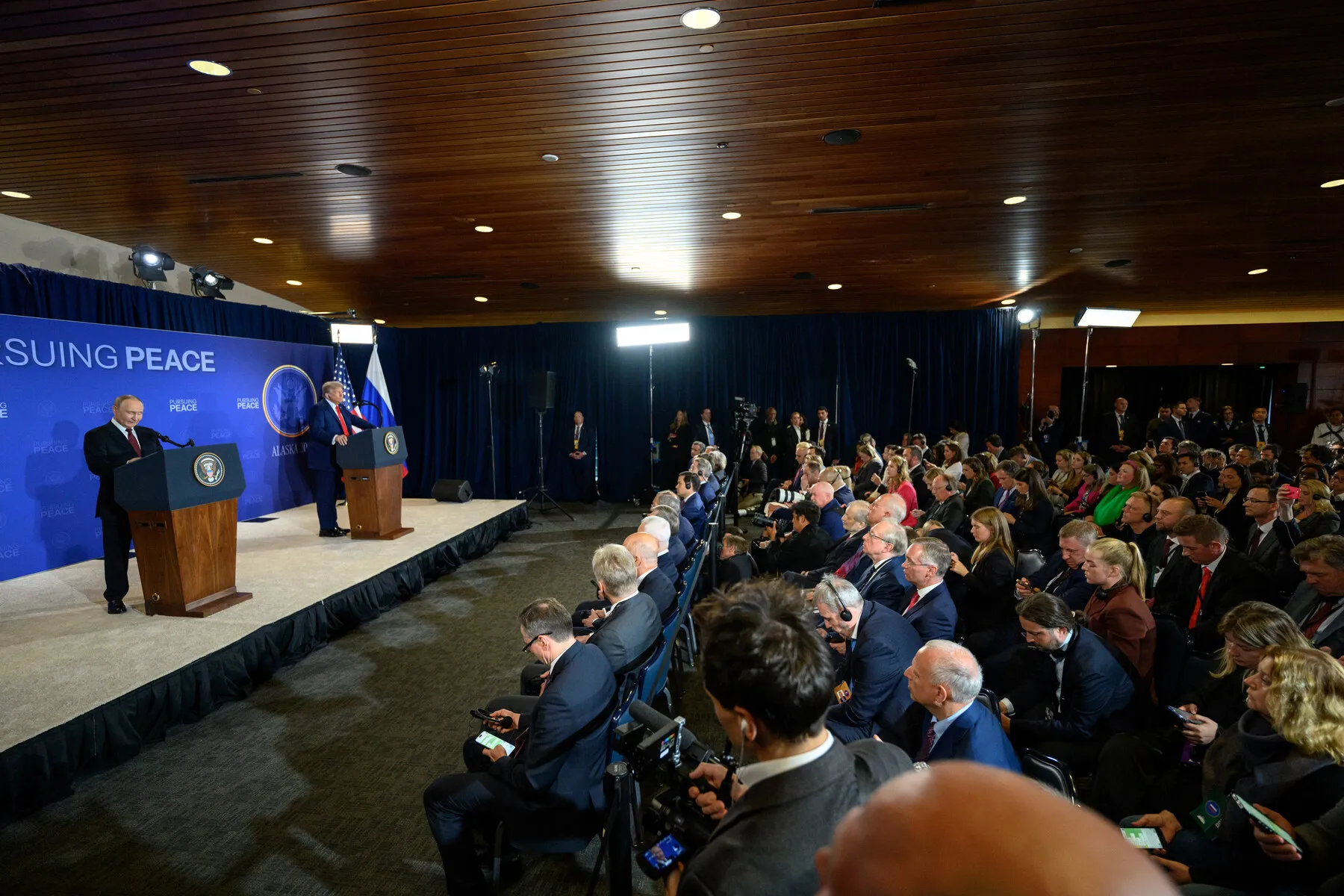
Ukraine was the central subject, but the Kremlin had said in advance that possible economic cooperation would be discussed at the same time.
Belousov’s presence does not in itself mean that he has been given a separate negotiating brief. But the composition of the delegation is telling: when war, diplomacy, public finance and future economic relations with the West come together in a single conversation, Belousov turns out to be in the president’s immediate circle.
And this is where his potential role may lie. Any serious settlement will, for Moscow, concern more than territory and a ceasefire. Sanctions, banking restrictions, Russian assets, exports, technology, the defence industry and state spending will inevitably be on the table.
Belousov may matter not because he would lead the main negotiations with Europe. His role may be a different one — to help Putin determine which terms Russia is economically and militarily able to accept, and what Moscow should try to obtain in return.
How the EU Sees Belousov
It is especially telling that Belousov’s considerable political weight is acknowledged by European institutions as well.
In the EU’s official sanctions justification he is described as a man who has for many years been regarded as a member of “Putin’s inner circle.” The European Union separately underlines his influential position in the Russian government and recalls that, before moving to the Defence Ministry, Belousov was responsible for economic policy, economic growth and the stabilisation of markets.
For a European reader this is a substantial detail: that characterisation comes not from the Kremlin and not from a Russian state outlet, but from the EU itself.
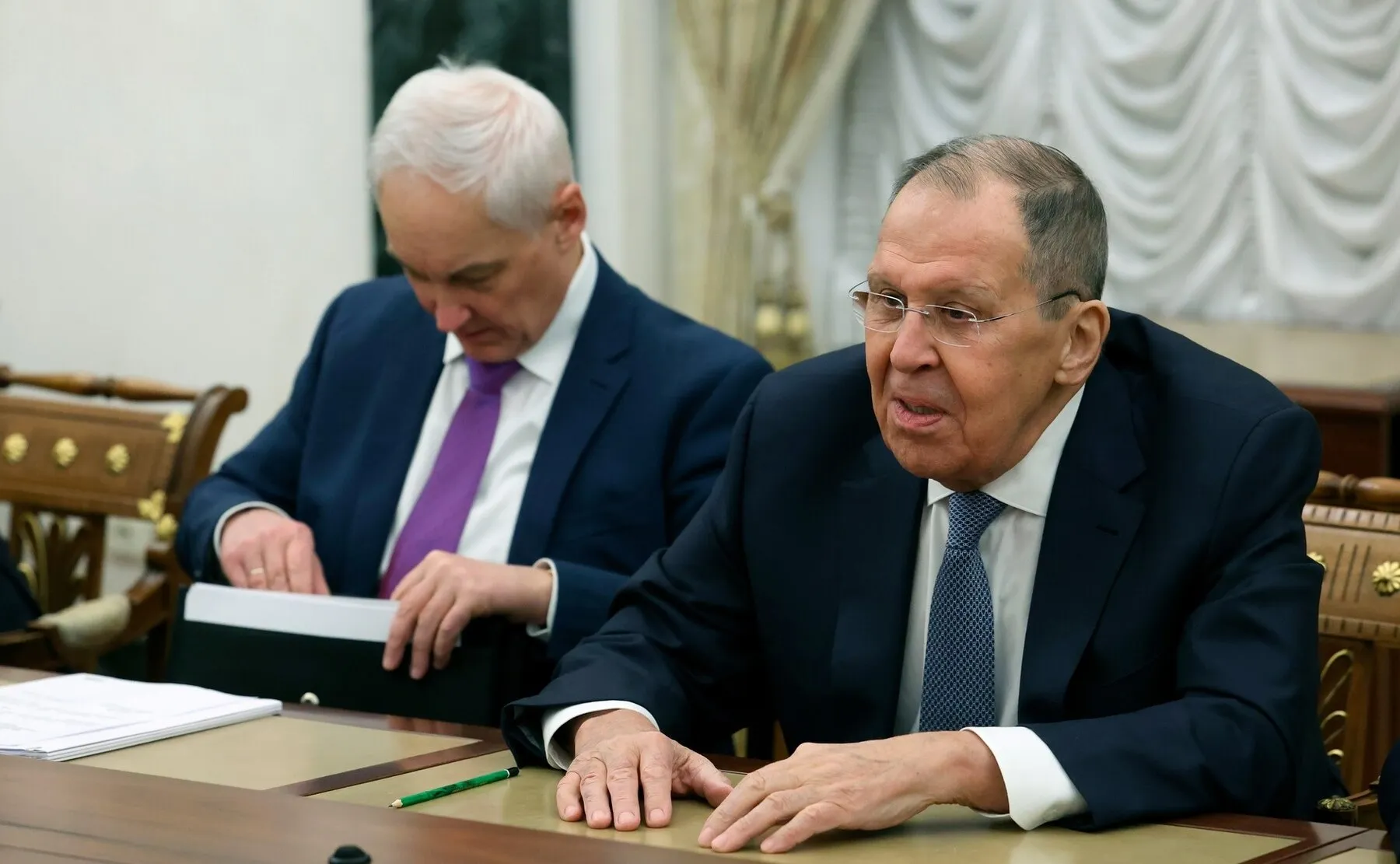
At the same time, there are as yet no grounds for turning Belousov into an advocate of an early peace. Publicly, as defence minister, he is engaged in an entirely different task — raising the effectiveness of the Russian army and sustaining the continuation of military operations.
And this is where the central paradox arises.
Belousov may turn out to be needed in the event of an end to the war not in spite of the fact that he is today engaged in sustaining it, but precisely because of it. He now knows the cost of the war not only from economic reports but from inside the Defence Ministry — through budgets, weapons production, the needs of the army and the capacities of the state.
By our information, if the Kremlin really does move from discussing whether a settlement is possible to calculating its concrete terms, Belousov’s role may grow appreciably.
Not necessarily as a man at the main negotiating table.
Rather as the official to whom Putin will be able to put one of the most important questions: how much will continuing the war cost Russia — and what price can it afford to pay for ending it?
The man Putin brought into the Defence Ministry to help the state adapt to the economy of war may one day be needed for the reverse task: to calculate the economy of peace.